
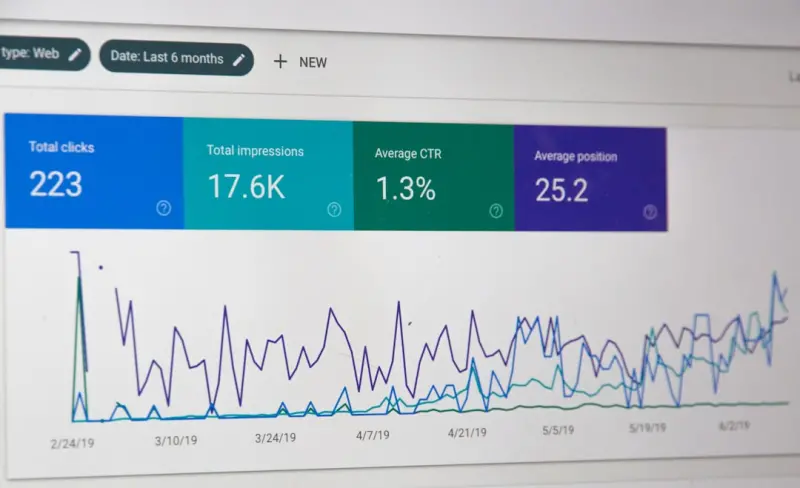
When I first stepped into the world of SaaS SEO, the conversation was all about keywords, backlinks, and content clusters. Fast‑forward a few product releases, and I’m still hearing those buzzwords—except now the real battle is fought in the server rooms, at the edge, and within the crawling bots that Google dispatches each day. If you’re managing a SaaS platform that serves thousands of pages, dozens of product variations, and a constantly evolving API, the usual “add a meta tag and hope for the best” playbook just won’t cut it. This post is my deep‑dive into the technical levers that let you tame the crawl beast, accelerate indexation, and keep your site humming as you scale.
Why Technical SEO Still Matters in a Hyper‑Competitive SaaS Landscape
Technical SEO isn’t a “nice‑to‑have” add‑on; it’s the foundation that determines whether any of your carefully crafted content ever sees the light of day in SERPs. For SaaS businesses, the stakes are especially high because:
- Product pages are dynamic. Feature flags, pricing tiers, and user‑specific messaging mean the same URL can serve multiple experiences.
- Scale is exponential. A single launch can add hundreds of new URLs overnight, quickly overwhelming a naïve crawler budget.
- Speed translates to trust. Prospects judge credibility within seconds; a slow, fragmented site erodes confidence before they even read a line of copy.
In short, if Google can’t crawl your site efficiently, it can’t rank it efficiently. And that’s why I’ve spent the past year obsessively tuning the crawl mechanics of my own SaaS product—lessons that I’m about to share.
Mapping the Crawl Budget: From Waste to Wins
Google allocates a crawl budget to each domain based on its perceived authority, server performance, and the freshness of its content. For most SaaS sites, that budget is a precious commodity, and you’ll quickly notice it being squandered on low‑value pages. Here’s how to reclaim it:
- Audit orphan pages. Run a site‑wide crawl (tools like Screaming Frog or Sitebulb work well) and flag any URL that receives no internal links. Orphan pages are dead‑ends for both users and bots.
- Consolidate duplicate content. SaaS platforms often generate near‑identical pages for each client or region. Use canonical tags wisely, but also consider merging content at the source.
- Leverage
robots.txtstrategically. Don’t blanket‑block whole directories; instead, disallow only the paths that truly provide no SEO value—such as admin panels, staging environments, and test endpoints. - Implement
noindex, followfor low‑value pages. This tells Google to skip indexing while still allowing it to follow outbound links, preserving link equity.
By tightening the crawl path, you ensure that the budget is spent on pages that drive conversions—like your pricing calculator, case study library, and feature landing pages.
Edge Caching: The Unsung Hero of Faster Indexation
Server response time is a known ranking factor, but what many overlook is its impact on crawl efficiency. When Googlebot hits a slow server, it may throttle its crawl rate to avoid overloading your infrastructure. Enter edge caching.
Deploy a Content Delivery Network (CDN) with edge compute capabilities (think Cloudflare Workers, AWS Lambda@Edge, or Fastly Compute). These platforms let you:
- Serve static assets from the edge. Reduce TTFB (time‑to‑first‑byte) dramatically, which signals to Google that your site is fast and reliable.
- Rewrite URLs on the fly. For API‑driven pages, you can pre‑render critical content at the edge, delivering a fully‑hydrated HTML snapshot to crawlers without sacrificing the SPA experience for users.
- Implement granular caching rules. Cache HTML for low‑frequency pages (e.g., legal docs) for longer periods, while keeping your blog fresh with shorter TTLs.
When you combine edge caching with proper Cache‑Control headers, you’re essentially gifting Googlebot a faster, more reliable path to your content, which can boost crawl rate and, ultimately, indexation speed.
Decoding the API Crawl Graph: When Your Docs Are the Destination
Modern SaaS platforms expose rich APIs, and developers often land on your /docs section via search. However, API docs are typically generated on the fly, leading to two common pitfalls:
- Infinite URL spaces. Each endpoint can produce a unique URL (e.g.,
/docs/v1/users/{id}), potentially creating millions of crawlable pages. - Thin content signals. If the rendered page only contains a JSON snippet without explanatory text, Google may deem it low‑value.
My solution? Adopt a structured documentation framework that balances human readability with crawlability:
- Generate a static index of all endpoints and serve it as a sitemap. This tells Google exactly which URLs are worth crawling.
- Enhance each doc page with rich schema markup (see next section) and a brief human‑focused introduction that contextualizes the endpoint.
- Use
rel="alternate"tags to point bots to a pre‑rendered HTML version, while keeping the interactive API Explorer for users.
By treating your API docs as a curated knowledge hub rather than a by‑product of your codebase, you turn a potential crawl nightmare into a steady flow of highly relevant organic traffic.
Schema Strategies That Convert: Going Beyond the Basics
Schema.org markup has evolved far beyond the classic Product and Article types. For SaaS, the most impactful schemas include:
- SoftwareApplication. Populate fields like
operatingSystem,applicationCategory,offers, andaggregateRatingto surface rich snippets that answer buyer intent directly on the SERP. - FAQPage. Turn your support knowledge base into searchable Q&A blocks, which Google often lifts into the featured snippet position.
- HowTo. If you have step‑by‑step onboarding guides, wrap them in
HowTomarkup to increase visibility for “how to set up X” queries.
Implementation tip: Use a templating engine that injects schema JSON‑LD directly into the HTML head for each page type. This ensures consistency and reduces the chance of markup errors slipping through during rapid releases.
Monitoring and Auditing at Scale: The Automation Playbook
Manual audits are a luxury SaaS teams can’t afford. Here’s the automated stack I rely on:
- Scheduled crawls with Headless Chrome. Capture rendered snapshots of critical pages (pricing, signup, docs) and compare them against a baseline to catch rendering regressions.
- Core Web Vitals APIs. Pull real‑time LCP, FID, and CLS metrics from Google Search Console and feed them into a Slack alert channel.
- Schema validation pipelines. Run JSON‑LD through
schema.orgvalidators in CI/CD; any failures block the merge. - Log analysis. Parse server logs for
404spikes, high latency responses, and unexpected crawl patterns. Tools like Elastic Stack make this a one‑click dashboard.
Automation not only saves time but also creates a feedback loop: as soon as a new feature ships, you instantly know whether it’s hurting crawl efficiency or Core Web Vitals.
Future‑Proofing with Headless and Serverless Architecture
Many SaaS teams are already adopting headless CMSs and serverless functions for flexibility. While these technologies accelerate development, they also introduce SEO challenges—especially when content is delivered via JavaScript.
My approach balances the best of both worlds:
- Hybrid rendering. Serve a fast, SEO‑friendly HTML shell for crawlers (using
prerender.ioor similar services), while letting the client-side app hydrate with dynamic data post‑load. - Incremental static regeneration (ISR). Platforms like Next.js allow you to pre‑render pages at build time and then update them on‑demand without full redeploys—a perfect fit for SaaS pricing tables that change rarely but need instant SEO impact.
- Edge‑first API responses. Deploy serverless functions at the edge to deliver JSON‑LD alongside API payloads, ensuring bots receive both data and context without extra round‑trips.
These patterns keep your site technically robust while still delivering the interactive experiences your users expect.
Putting It All Together: A Tactical Checklist
Before you close this post, here’s a quick, actionable checklist to audit your SaaS site’s technical SEO health:
- Run a full crawl and eliminate orphan & duplicate pages.
- Configure
robots.txtandnoindexdirectives for low‑value paths. - Deploy edge caching with proper
Cache‑Controlheaders. - Generate a comprehensive sitemap for all API documentation endpoints.
- Implement
SoftwareApplication,FAQPage, andHowToschema where appropriate. - Set up automated Core Web Vitals monitoring and schema validation in CI/CD.
- Adopt hybrid rendering or ISR for dynamic product pages.
- Regularly review server logs for crawl anomalies.
By systematically tackling each item, you’ll convert crawl waste into crawl value, accelerate indexation, and position your SaaS brand for sustainable organic growth.
Learn More From Our Ecosystem
If you’re looking for a broader perspective on aligning content strategy with technical execution, check out our content experience blueprint. And for a deep dive into the evolving signals that Google uses to evaluate sites—like the ones we’ve just optimized—our analysis of next‑gen ranking signals provides the context you need.
Technical SEO is a moving target, but with the right tools, processes, and a dash of curiosity, you can stay ahead of the curve and let your SaaS product shine in search results.

Related Posts

Technical SEO in 2026: Mastering the Foundations That Power Modern Rankings
Explore the 2026 technical SEO playbook: from crawl budget mastery and Core Web Vitals to edge compu... Read More

Edge‑First Technical SEO: Harnessing Serverless at the CDN Layer
Learn why moving caching, intent detection, and schema injection to the CDN edge can dramatically im... Read More

Crawl Budget Mastery: Boost Rankings with Modern Protocols
Learn to optimize crawl budget, adopt modern protocols, and harness edge caching and structured data... Read More
Top Posts

Jimmy Anand’s 2024 WordPress SEO Playbook: Human‑Centric Tactics That Rank
Jimmy Anand reveals a 2024 WordPress SEO roadmap, mixing technical tweaks, mobile mastery, and human‑first content to boost rankings and keep audiences engage...Read More
The Importance of Technical SEO in 2024: A Comprehensive Guide
Technical SEO is crucial for businesses and website owners who want to improve their online presence and drive more traffic to their website. Learn the key comp...Read More

Analog Play Returns: The New Wave of Tactile Toys
Analog play is making a comeback, offering mental health benefits, sustainable design, and fresh business prospects as professionals seek tactile relief from sc...Read More

Data‑Driven Link Building: Turning Public APIs into Authority‑Boosting Backlinks
Learn to transform public APIs into link‑building assets, craft data‑rich content, and scale outreach for sustainable SEO authority....Read More
0 Comments
Post Comment
You will need to Login or Register to comment on this post!