
Optimizing Your WordPress Site for Search Engines: A Comprehensive Guide
As a seasoned expert in the field of WordPress SEO, I, Seth Samual, have seen numerous websites struggle to rank high in search engine results pages (SERPs). With the ever-evolving landscape of search engine algorithms, it's crucial to stay ahead of the curve and optimize your WordPress site for maximum visibility. In this article, we'll explore the essential strategies and techniques to improve your website's search engine ranking and drive more organic traffic to your site.
The Importance of Keyword Research
Keyword research is the foundation of any successful SEO strategy. It involves identifying the most relevant and high-traffic keywords related to your business, product, or service. By incorporating these keywords into your content, you can increase your website's visibility in search engine results. I recommend using tools like Google Keyword Planner, Ahrefs, or SEMrush to conduct thorough keyword research. For instance, if you're a small business owner, you can use local SEO strategies to target specific geographic regions and attract more local customers.
Optimizing On-Page Elements
On-page optimization is critical to improving your website's search engine ranking. This includes optimizing title tags, meta descriptions, header tags, and content. Ensure that your title tags are descriptive, concise, and include your target keywords. Meta descriptions should be compelling, informative, and around 155-160 characters long. Use header tags (H1, H2, H3, etc.) to structure your content and highlight important keywords. When it comes to content, focus on creating high-quality, engaging, and informative content that provides value to your audience. You can learn more about the role of content in on-page SEO in this comprehensive guide.
The Role of Content in SEO
Content is king in the world of SEO. High-quality, engaging, and informative content can drive more traffic to your site, increase engagement, and boost conversions. When creating content, focus on providing value to your audience. Use a conversational tone, and ensure that your content is well-researched and accurate. You can use various content formats like blog posts, articles, infographics, and videos to cater to different audience preferences. Remember to optimize your content with target keywords, but avoid keyword stuffing, which can lead to penalties from search engines.
Technical SEO Optimization
Technical SEO optimization is crucial to improving your website's crawlability, indexability, and overall performance. Ensure that your website is mobile-friendly, as this is now a key ranking factor. Use a secure protocol (HTTPS) to protect user data and increase trust. Optimize your website's loading speed by compressing images, minifying code, and leveraging browser caching. You can use tools like Google PageSpeed Insights to analyze your website's performance and identify areas for improvement.
Building High-Quality Backlinks
Backlinks are a critical component of any successful SEO strategy. They signal to search engines that your website is authoritative, trustworthy, and relevant. Focus on building high-quality backlinks from reputable sources by creating linkable assets, guest blogging, and leveraging relationships with other websites. Avoid buying backlinks or participating in link schemes, as these can lead to penalties from search engines.
Local SEO Strategies
If you're a local business owner, it's essential to optimize your website for local search engines. This includes creating a Google My Business listing, optimizing your website's content with local keywords, and building high-quality backlinks from local sources. You can learn more about local SEO strategies and how to leverage them to attract more local customers.
Measuring and Tracking SEO Success
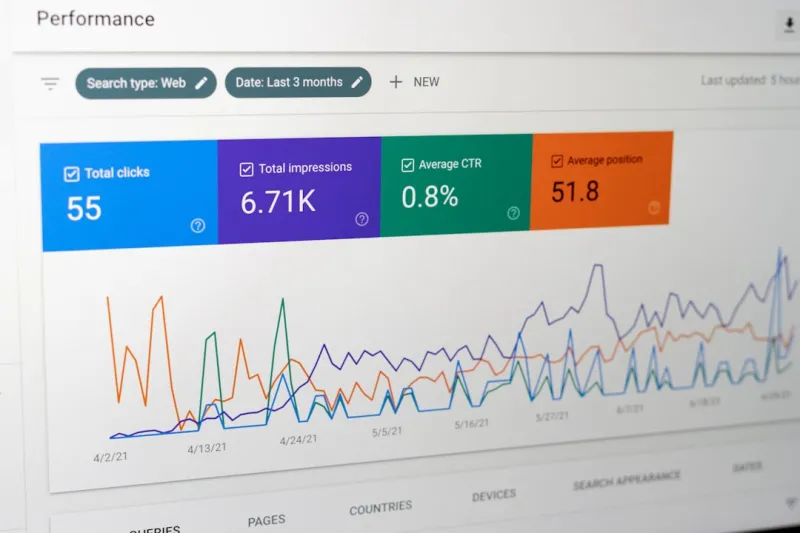
Measuring and tracking your SEO success is critical to understanding the effectiveness of your strategy. Use tools like Google Analytics, Google Search Console, and SEMrush to monitor your website's traffic, engagement, and conversion rates. Track your keyword rankings, and adjust your strategy accordingly. Remember to stay up-to-date with the latest SEO trends and algorithm updates to ensure that your website remains optimized for maximum visibility.
Staying Ahead of the Curve
The world of SEO is constantly evolving, and it's essential to stay ahead of the curve to maintain your website's visibility. Focus on creating high-quality, engaging, and informative content that provides value to your audience. Stay up-to-date with the latest SEO trends and algorithm updates, and adjust your strategy accordingly. By following these strategies and techniques, you can improve your website's search engine ranking, drive more organic traffic, and increase conversions.
Conclusion
Optimizing your WordPress site for search engines requires a comprehensive approach that includes keyword research, on-page optimization, technical SEO optimization, building high-quality backlinks, and measuring and tracking SEO success. By following these strategies and techniques, you can improve your website's visibility, drive more organic traffic, and increase conversions. Remember to stay ahead of the curve and adjust your strategy accordingly to ensure that your website remains optimized for maximum visibility.

Related Posts
Unlocking WordPress Block Patterns for a Smarter SEO Strategy
Discover how to use WordPress’s block editor, reusable schema blocks, and strategic CPTs to create... Read More

Optimizing Your WordPress Site for SEO Success
Learn how to optimize your WordPress site for SEO success with our comprehensive guide. Discover tec... Read More
Supercharging WordPress SEO with Core Web Vitals and Edge Delivery
Performance has become the most valuable keyword in WordPress SEO. This post explores how Core Web V... Read More
Top Posts

Winning the Neighborhood: Harnessing Hyperlocal Voice Search for Small Businesses
Learn why voice‑driven, hyperlocal SEO is the game‑changer for local shops, and get step‑by‑step tactics to dominate neighborhood searches and attract n...Read More

Unlocking WordPress SEO Success with a Practical E‑E‑A‑T Blueprint
A detailed, actionable guide shows how to audit, enrich, and future‑proof your WordPress site using Experience, Expertise, Authority, and Trust....Read More

The Human‑Centric Playbook for Sustainable SaaS Content Creation
A practical guide that outlines a four‑stage “Idea‑to‑Asset” loop, narrative architecture, and micro‑testing tactics to build sustainable, high‑im...Read More

Technical SEO in 2023: Navigating the Complex Landscape
Discover the latest technical SEO strategies for 2023, including page speed optimization, structured data, voice search, and Core Web Vitals. Learn how to impro...Read More
0 Comments
Post Comment
You will need to Login or Register to comment on this post!