

Why the Traditional On‑Page Checklist Is No Longer Enough
For years, SEO practitioners have relied on a static checklist: title tags, meta descriptions, header hierarchy, image alt attributes, and a sprinkle of keywords. That list still matters, but the real differentiator today is how those elements work together inside a user‑centric page architecture. Search engines have become adept at reading the relationships between sections, the flow of information, and the signals that tell them a page is genuinely helpful for a specific query. When you treat on‑page SEO as an isolated set of tags rather than a cohesive experience, you leave a lot of ranking potential on the table.
The Missing Piece: Intent‑Aware Internal Linking
Internal links are often dismissed as “just for navigation,” yet they are one of the most powerful levers for on‑page relevance. By mapping your internal links to the actual questions and tasks users have at each stage of their journey, you signal to search engines the logical hierarchy of concepts on your site. This goes beyond the basic “related posts” widget; it involves strategic placement of contextual links that guide both crawlers and humans through a semantic pathway.
Think of each page as a node in a graph. When that node is connected to other nodes with clear, purpose‑driven anchors, you create a web of relevance that search engines can easily interpret. The result is a stronger topical authority without needing extra backlinks.
Mapping User Journeys to Content Silos
Start by cataloguing the primary user intents that drive traffic to your site: informational, navigational, transactional, and investigative. For each intent, outline the logical sequence of pages a user would ideally follow. This is your content silo. Within each silo, the internal links should flow in a way that mirrors the user’s mental model.
- Top‑of‑funnel (informational): Blog posts, guides, and overview articles that introduce a problem.
- Middle‑of‑funnel (investigative): Comparison tables, case studies, and deep‑dive tutorials that help evaluate solutions.
- Bottom‑of‑funnel (transactional): Pricing pages, demo request forms, and product FAQs that encourage conversion.
When a reader lands on a top‑of‑funnel article, the internal links should naturally point to middle‑of‑funnel assets, and those, in turn, should point to conversion‑focused pages. This intentional flow reduces bounce rates, increases dwell time, and gives search engines a clear narrative to follow.
Data‑Driven Anchor Text: Quality Over Quantity
Gone are the days of keyword‑stuffed anchor text. Modern search algorithms evaluate anchor relevance, diversity, and user experience. Use descriptive, human‑readable phrases that tell the reader exactly what they’ll find on the linked page. For example, instead of “click here,” write “see how our SaaS pricing model compares to industry benchmarks.” This approach satisfies both search engines and readers.
To avoid over‑optimization, keep an eye on the crawl budget impact of your internal linking structure. A well‑organized link graph ensures that crawlers spend their allotted budget on the most important pages, rather than getting lost in shallow, low‑value links.
Semantic HTML: Giving Structure to Meaning
HTML tags are more than just visual cues; they’re the language search engines use to understand page hierarchy. Leveraging semantic tags like <article>, <section>, <aside>, and <nav> helps define the role of each content block.
- <header> and <footer>: Consistently place navigational links and contact information here to reinforce site structure.
- <main>: Wrap the core content of the page, ensuring that the primary message is clearly isolated for crawlers.
- <section> with
aria-labelledby: Use descriptive headings that can be referenced by screen readers, improving accessibility and signaling content relevance.
When you combine semantic HTML with a purposeful internal linking plan, you create a double layer of context that search engines can parse with greater confidence.
Structured Data Beyond FAQ: Breadcrumbs, How‑to, and Sitelinks Search Box
While many SEO teams focus on FAQ schema, there are other markup types that amplify on‑page signals. Breadcrumb schema not only enhances SERP appearance but also reinforces the hierarchical relationship between pages, echoing the internal linking strategy you’ve built.
Implementing How‑to schema can turn step‑by‑step guides into rich results that occupy prime real‑estate on the results page. This is especially effective for SaaS tutorials or product onboarding content.
For larger sites, the Sitelinks Search Box markup can surface a site‑wide search bar directly in the SERP, reducing the friction for users to find deep‑linked pages. All these markup types work best when they reflect the same logical structure you’ve created with semantic HTML and internal links.
Testing & Measuring: From Log Files to User Metrics
To validate the impact of your internal linking overhaul, blend technical data with user‑centric metrics:
- Log file analysis: Identify which pages are being crawled most frequently and whether the crawl path aligns with your intended hierarchy.
- Click‑through paths: Use analytics to track the typical navigation flow from entry page to conversion, looking for drop‑off points.
- Engagement signals: Monitor dwell time, scroll depth, and page‑per‑session to gauge whether users find the internal pathways intuitive.
- Rich result impressions: Track the performance of breadcrumb, how‑to, and other structured data in Google Search Console.
When you spot gaps—such as high‑traffic pages that receive few internal links—prioritize adding contextual anchors to bring those pages into the main flow. Over time, you’ll see a lift in rankings for secondary topics that previously struggled to gain visibility.
Practical Checklist for a User‑Centric On‑Page Overhaul
- Audit existing internal links: Map current link equity using a tool like Screaming Frog or Sitebulb.
- Define content silos based on user intent: Group pages into logical clusters (awareness, consideration, conversion).
- Rewrite anchor text: Ensure each link uses a descriptive phrase that matches the target page’s focus.
- Implement semantic HTML: Replace generic
<div>wrappers with appropriate<section>,<article>, and<nav>tags. - Add breadcrumb markup: Use JSON‑LD to declare the page’s position within the site hierarchy.
- Layer additional schema types: Deploy How‑to, Sitelinks Search Box, or Product schema where relevant.
- Monitor crawl budget impact: Verify that crawlers are spending time on high‑value pages (refer to the crawl budget guide for details).
- Analyze performance: Review log files, engagement metrics, and rich result data monthly.
Future‑Proofing Your On‑Page Strategy
Search engines are moving toward a deeper understanding of user intent and content relevance, driven by AI models that parse context rather than just keywords. By aligning your internal linking, semantic HTML, and structured data with the way users naturally think about your product or service, you position your site to thrive in this next wave of algorithmic evolution.
In practice, this means treating every page as a conversation starter—a node that not only answers a specific query but also gently nudges the visitor toward the next logical step. When the conversation feels natural, both humans and machines reward you with higher rankings and better conversion metrics.
Wrap‑Up: From Checklist to Experience
On‑page SEO is no longer a static checklist; it’s an orchestrated experience that blends technical precision with human‑focused design. By re‑architecting your internal linking, embracing semantic HTML, and extending structured data beyond the familiar FAQ schema, you create a site that speaks clearly to both users and search engines.
Start with a small silo, apply the principles outlined above, and scale iteratively. The incremental gains you observe—lower bounce rates, richer SERP features, and more efficient crawl allocation—will compound, turning your on‑page foundation into a sustainable competitive advantage.

Jimmy Anand is a content creator that gets inspired by many aspects of life, internet or whatever inspires him at that moment. When he's not online he's gaming and when he is not gaming he is online trolling discussion boards.
Related Posts

Cognitive On‑Page SEO: Turning Content Architecture into a User‑Centric Growth Engine
A fresh take on on‑page SEO that aligns content architecture with how users think, using semantic ... Read More

Beyond Speed: Harnessing Core Web Vitals and Structured Data for On‑Page SEO Success
This post reveals a step‑by‑step framework for auditing, optimizing, and automating Core Web Vit... Read More

The Psychology Behind On-Page SEO: Persuading Users and Crawlers Alike
Learn the science of on‑page SEO: from intent‑first copy and persuasive meta tags to structured ... Read More
Top Posts
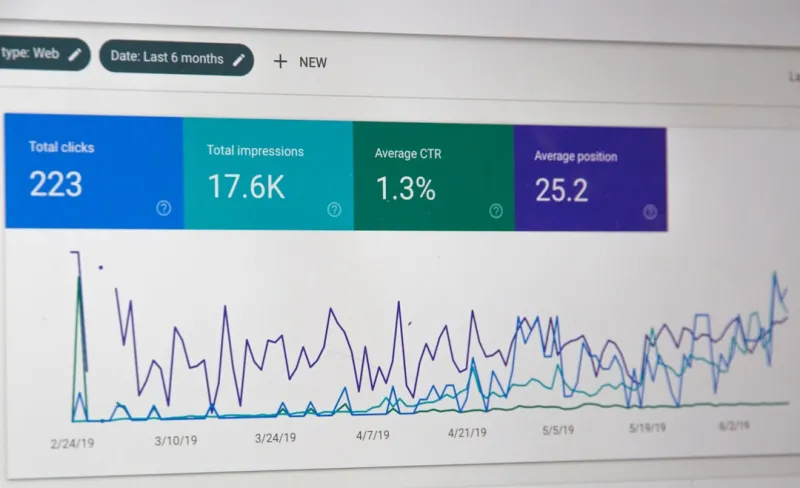
Technical SEO Trends: Why Empathy and Data Must Coexist
Explore the latest technical SEO trends, from crawl budget optimization to empathy‑first strategies, and learn actionable steps to future‑proof your site’...Read More
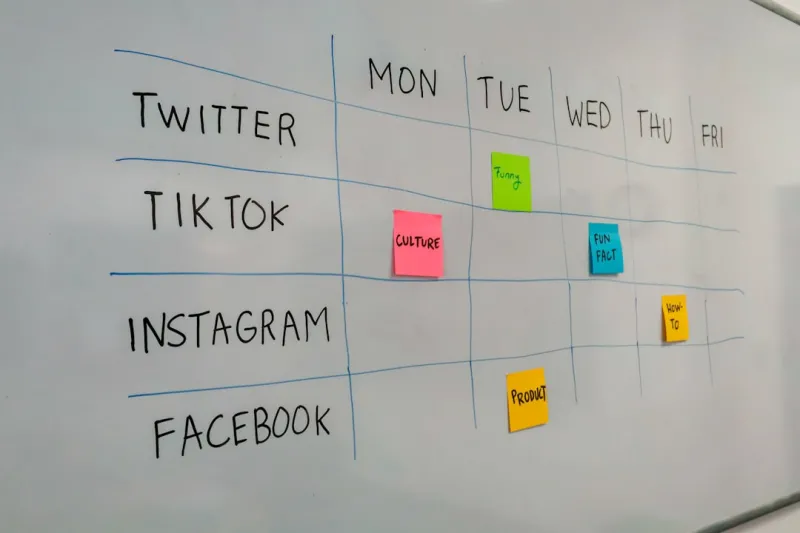
Revolutionizing Your Social Media Strategy: A New Era of Engagement
A well-crafted social media strategy is crucial for businesses to succeed in today's digital age. Learn how to create a comprehensive strategy that drives engag...Read More

Unlocking SaaS Growth with Structured Data and Core Web Vitals
A practical guide for SaaS teams on using schema markup, Core Web Vitals, and intelligent site architecture to win rich results, enhance crawl efficiency, and a...Read More

Decoding Google’s 2024 Algorithm: A Human‑Centric Playbook for Marketers
A deep dive into Google’s 2024 algorithm update, offering human‑centric SEO strategies, technical insights, and link‑building advice to boost rankings and...Read More
0 Comments
Post Comment
You will need to Login or Register to comment on this post!