

Why On‑Page SEO Needs a Cognitive Upgrade
When I first stepped into the SEO arena, the checklist was simple: title tags, meta descriptions, H‑tags, and a sprinkle of keywords. Fast‑forward a few releases, and the landscape feels more like a labyrinth of user intent, semantic relevance, and experience design. In my day‑to‑day work with SaaS products, I’ve learned that on‑page SEO isn’t just about signaling search engines; it’s about aligning every piece of content with the way human brains actually process information.
From Keyword Stuffing to Cognitive Mapping
The old school approach treated a page like a billboard: cram the most searched terms, hope the algorithm notices, and pray for clicks. That mindset ignored two realities:
- People don’t think in isolated keywords. They think in concepts, problems, and journeys.
- Search engines have become semantic engines. Google’s language models now evaluate context, relevance, and depth, not just surface matches.
So the question shifts from “What keyword am I targeting?” to “What mental model am I supporting?” This subtle pivot is the foundation of what I call Cognitive On‑Page SEO.
The Three Pillars of Cognitive On‑Page SEO
To re‑engineer your on‑page strategy, I focus on three interlocking pillars: Conceptual Architecture, Intent‑Driven Content Flow, and Human‑Centric Optimization. Let’s unpack each.
1. Conceptual Architecture: Building Semantic Silos
Instead of a flat list of articles linked by a generic sidebar, imagine a map of related concepts that mirrors how a user’s brain clusters ideas. This is where structured data and taxonomy become your best friends. By defining clear schema and logical taxonomy, you give both users and crawlers a roadmap of relevance.
- Topic Clusters vs. Keyword Clusters. Create a hub page that answers a broad question, then branch out into sub‑pages that dive into specific facets. Each sub‑page should reference the hub with contextual anchor text, reinforcing the semantic relationship.
- Layered Breadcrumbs. Breadcrumb trails that reflect the conceptual hierarchy (e.g., Home → Productivity Tools → Time‑Tracking → Integrations) help users visualize where they are in the knowledge map.
- Entity‑First Schema. Mark up people, software, and events as distinct entities. This allows search engines to understand the “who” and “what” beyond mere keywords.
2. Intent‑Driven Content Flow: Guiding the User Journey
Every page should have a clear primary intent (informational, navigational, transactional, or investigational) and a secondary, supporting intent. The trick is to surface the primary intent early, then let the page naturally evolve to address the secondary layers.
Here’s a practical workflow I use with my SaaS teams:
- Identify the Core Question. Use search console data, community forums, and sales conversations to surface the exact phrasing users employ.
- Map Supporting Questions. For each core question, list 3‑5 related queries that represent deeper curiosity or adjacent concerns.
- Design Content Sections. Allocate a dedicated section for each supporting question, using H2/H3 headings that echo the user’s language.
- Embed Micro‑Conversions. Within each section, embed subtle calls‑to‑action—download a one‑pager, watch a short demo, or start a free trial—tailored to the intent of that segment.
This approach transforms a static page into an interactive learning path, keeping users engaged and signaling to Google that the page satisfies a comprehensive user need.
3. Human‑Centric Optimization: Speed, Accessibility, and Trust
Even the smartest semantic architecture collapses if users can’t access or trust the content. Here’s what I prioritize:
- Core Web Vitals. Load time, interactivity, and visual stability aren’t optional—they’re a trust metric. SaaS pages, with their heavy JS, often need lazy loading and server‑side rendering tricks.
- Readable Layout. Use plenty of white space, bullet points, and concise paragraphs. Remember, a user’s attention span on a technical page is measured in seconds.
- Authority Signals. Include real‑world data, case studies, and third‑party certifications. A well‑optimized help center can double as an authority hub when linked contextually.
Putting Theory into Practice: A Step‑by‑Step Example
Let’s walk through a concrete scenario: you’re optimizing the landing page for a SaaS product that offers “AI‑enhanced project management.”
Step 1: Define the Core Semantic Cluster
Start with the central concept: “AI‑enhanced project management software.” Build a hub page titled “The Future of AI‑Driven Project Management.” This page should:
- Explain the overarching benefits of AI in project workflows.
- Link to sub‑pages covering “Task Automation,” “Predictive Resource Allocation,” “Risk Forecasting,” and “Team Collaboration Insights.”
Step 2: Craft Intent‑Driven Sub‑Pages
Each sub‑page targets a specific user intent:
- Task Automation. Primary intent: informational. Secondary intent: transactional (download automation guide).
- Predictive Resource Allocation. Primary intent: investigative. Secondary intent: lead capture (request a demo).
- ...and so on.
Within each sub‑page, embed schema.org SoftwareApplication markup, and use clear H2s that mirror user queries—e.g., “How does AI automate repetitive tasks?”
Step 3: Optimize the Human Experience
Deploy a lightweight, server‑rendered React component for the demo video to keep initial load under 1 second. Add ARIA labels for accessibility, and use a concise, benefit‑first meta description that doubles as a micro‑copy for social sharing.
Step 4: Interlink with Authority Assets
Link back to your crawl‑budget guide for technical readers, and reference the help‑center article that walks users through integration steps. This creates a web of relevance that both crawlers and humans love.
Measuring Success: Beyond Rankings
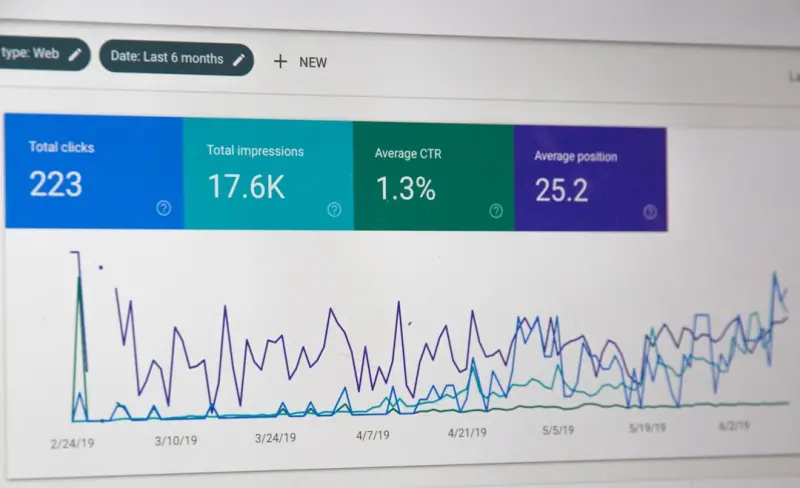
Traditional SEO metrics—rankings and organic traffic—are still valuable, but they don’t capture the full impact of a cognitive on‑page strategy. I track three additional KPIs:
- Engagement Depth. Average scroll depth and time on page. A rise indicates that users are consuming more of the content hierarchy.
- Intent Conversion Rate. The percentage of visitors who complete the micro‑conversion tied to the page’s primary intent.
- Semantic Authority Score. A composite metric derived from internal linking density, schema completeness, and external citations.
When these numbers move together, you know the page is serving both search engines and human cognition effectively.
Common Pitfalls (And How to Dodge Them)
Even with a solid framework, teams stumble on familiar traps:
- Over‑Optimizing Anchor Text. Using exact‑match keywords in every link looks spammy. Instead, vary the anchor text to reflect natural language.
- Neglecting Mobile‑First Experience. A page that looks great on desktop but drags on mobile will see higher bounce rates, hurting both UX and rankings.
- Forgetting the “Zero‑State” Visitor. Not every visitor arrives with a clear intent. Include a brief “quick‑start” summary for those who need a rapid overview.
Future‑Proofing Your On‑Page SEO
The next wave of search is moving toward personalized, context‑aware results. Voice assistants, AI chatbots, and emerging “search‑as‑you‑type” experiences will demand even richer semantic signals. Here’s how to stay ahead:
- Adopt Structured Data 3.0. Keep an eye on emerging schema extensions for AI and machine learning.
- Invest in Content Modeling. Use tools that map entity relationships across your site, allowing you to spot gaps and opportunities before competitors do.
- Continuous Intent Audits. Quarterly reviews of search console queries paired with sales funnel data will surface shifting user mental models.
Wrap‑Up: The Takeaway
On‑page SEO has matured from a mechanical checklist to a discipline that blends psychology, technology, and storytelling. By treating each page as a cognitive experience—structured around concepts, guided by intent, and optimized for real human interaction—you not only win rankings but also nurture deeper relationships with your SaaS audience.
Give your pages the same care you’d give a product demo: map the journey, address the questions, and make the experience frictionless. The result? Higher engagement, stronger conversion signals, and a site that feels as intelligent as the AI it promotes.

Related Posts
Turning On‑Page SEO Into a Conversion Engine for SaaS
Learn a conversion‑centric approach to on‑page SEO that aligns keyword intent, structured data, ... Read More

Beyond Checklists: A Fresh On‑Page SEO Playbook for Intent‑Driven Rankings
A hands‑on guide that redefines on‑page SEO with semantic tags, performance‑first layout, adva... Read More

Beyond Keywords: Crafting Semantic On‑Page Experiences
Discover a fresh on‑page SEO strategy that goes beyond keywords, focusing on semantic markup, stru... Read More
Top Posts

Rediscovering Play: Why Imaginative Toys Matter More Than Ever
A deep dive into the science and joy of imaginative toys, showing how open‑ended play nurtures creativity, resilience, and community for kids and adults....Read More

User‑Generated Content: The Secret Weapon for WordPress SEO
Learn why user‑generated content is the missing link in WordPress SEO and how to harness comments, reviews, and community posts for higher rankings....Read More

Unlocking LinkedIn Profile SEO: A Fresh Playbook for Personal Visibility
Learn how to transform your LinkedIn profile into an SEO magnet with proven tactics, keyword research, content strategies, and analytics—without rewriting the...Read More

Entity‑Based SEO: Turning Your SaaS Brand into a Search Engine Knowledge Graph
Discover a fresh SEO strategy that treats your SaaS brand, products, and features as interconnected entities, leveraging structured data, content hubs, and AI t...Read More
0 Comments
Post Comment
You will need to Login or Register to comment on this post!