

Why Empathy Is the New Engine Behind On‑Page SEO
When I first stepped into the world of search optimization, I treated it like a puzzle of algorithms, chasing every update like a relentless tide. Over time, I realized that the most durable pieces of that puzzle are not hidden in code but in the hearts of the people who type queries into a search box, and that revelation reshaped my entire approach. Empathy‑first content doesn’t just answer questions; it anticipates feelings, addresses doubts, and creates a conversational bridge that search engines now reward through user‑centric signals. By listening first, I’ve been able to craft pages that not only climb SERPs but also nurture genuine connections, turning fleeting clicks into lasting relationships. This mindset is the foundation of every on‑page decision I make, from headline choice to the subtle nuances of a call‑to‑action.
Reimagining Keyword Research as a Listening Exercise
Traditional keyword tools give you raw volume numbers, but they often miss the emotional undercurrents that drive a searcher’s intent; that’s where I start my research—by putting myself in the shoes of the audience and asking what they truly need at that moment. I blend data with dialogues, scanning forums, social comments, and even the phrasing in customer support tickets to capture the language of real human concerns, then map those insights to target phrases that feel natural rather than forced. By aligning keywords with genuine pain points, the resulting copy resonates more deeply, leading to higher dwell time and lower bounce rates, metrics that Google now interprets as signs of quality. This empathetic lens transforms a list of keywords into a story arc that guides the entire page structure, ensuring each section answers a specific emotional cue.
Crafting Title Tags and Meta Descriptions That Speak Human
Title tags are the first handshake between your page and the searcher; if that handshake feels cold or robotic, the user will move on before the page even loads. I write titles that mirror the conversational tone I’d use in a one‑on‑one email, weaving in the primary keyword while also promising a clear benefit or solution, such as “How to Reduce Stress‑Induced Headaches Naturally.” In the meta description, I extend that conversation, using vivid, sensory language that paints a picture of the value awaiting the reader, and I always include a subtle call‑to‑action that feels like an invitation rather than a sales pitch. This human‑centric framing not only improves click‑through rates but also aligns with Google’s emphasis on relevance and user satisfaction, turning the meta elements from mere technical necessities into powerful storytelling tools.
Structuring Content for Scan‑Friendly, Empathetic Reading
Modern readers skim first and read later, so I organize every article with a clear hierarchy that guides the eye and respects the reader’s time; this means using concise H2 and H3 headings that act as signposts to the most important insights. Within each section, I break up text with short paragraphs, bullet points, and bolded key phrases that highlight the core takeaway without overwhelming the flow. I also embed contextual internal links, like the one to The Empathy‑First Playbook for On‑Page SEO Success, which not only helps search engines understand site architecture but also offers readers a natural next step in their learning journey. By treating each heading as a promise and each paragraph as a fulfillment of that promise, the page becomes a friendly roadmap rather than a dense wall of information.
Optimizing Images and Media With Human‑Centric Alt Text
Images are silent storytellers, and their alt attributes give them a voice that both users and crawlers can hear; I craft alt text that describes not just the visual elements but the emotional context they support, such as “smiling customer holding a freshly brewed cup of coffee after following our stress‑relief guide.” This approach satisfies accessibility standards while reinforcing the page’s empathetic narrative, sending additional relevance signals to Google’s AI. I also compress images to maintain fast loading times, resize them to appropriate dimensions, and implement lazy loading to prioritize above‑the‑fold content. When videos are part of the mix, I include transcriptions and concise summaries, ensuring that every visitor—regardless of device or ability—receives the same supportive experience, which in turn boosts engagement metrics that search engines love.
Technical On‑Page Essentials That Put Users First
Behind every empathetic front‑end lies a robust technical foundation; I audit core web vitals, ensuring that page speed, interactivity, and visual stability meet the high standards set by Google’s Core Web Vitals, because a slow or jittery experience erodes the trust I’ve worked hard to build. Mobile responsiveness is non‑negotiable, so I follow the guidelines outlined in Mobile SEO Trends That Put Users First, designing fluid layouts that adapt gracefully to any screen size and eliminating intrusive interstitials that could frustrate on‑the‑go readers. Structured data is another empathy tool—I add schema markup that helps search engines present my content in rich, answer‑focused formats, delivering instant value to users before they even click through. These technical tweaks may seem behind‑the‑scenes, but they amplify the human‑first narrative by ensuring the page delivers on its promise without friction.
Measuring Success Through Human‑Centric Metrics
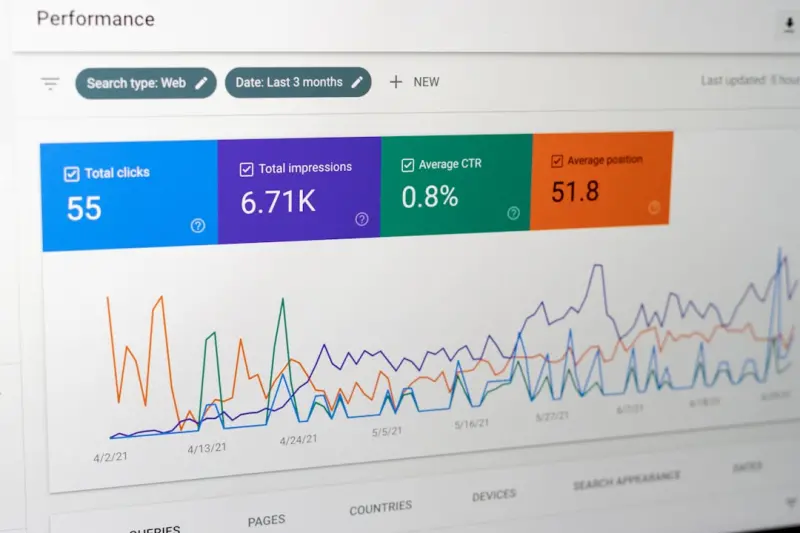
Traditional SEO dashboards focus on rankings and organic traffic, but I supplement those numbers with user‑centric metrics such as average session duration, scroll depth, and content satisfaction scores gathered from on‑page surveys. When I notice a dip in dwell time, I revisit the emotional hooks in my copy, asking whether the content still resonates with the evolving concerns of my audience, and I iterate accordingly. I also track conversion pathways to see if the empathy‑infused calls‑to‑action are guiding readers toward meaningful actions, like signing up for a newsletter or downloading a guide. By aligning quantitative data with qualitative feedback, I create a feedback loop that continuously refines the balance between SEO performance and genuine user delight, ensuring that rankings are a by‑product of real human value rather than a hollow trophy.
Turning Empathy Into Ongoing On‑Page Mastery
In the ever‑changing landscape of search, the only constant is the human desire for relevance, clarity, and connection; embracing an empathy‑first mindset turns every algorithm update into an opportunity to deepen that bond rather than a threat to be feared. I encourage fellow SEOs to regularly revisit their content with fresh ears, ask themselves what a visitor truly hopes to achieve, and adjust on‑page elements to meet those aspirations with authenticity and care. When you prioritize listening over ranking, you’ll find that higher positions follow naturally, as Google rewards pages that delight real people. So, let your next on‑page overhaul begin with a simple question: “What does my audience need right now, and how can I make them feel understood?” Answering that will set you on a path to sustainable, human‑centric success.

Related Posts
Structured Data Secrets: Boosting On‑Page SEO for SaaS Products
Learn how to use schema markup to turn ordinary SaaS pages into rich search results, improve clickâ€... Read More

The Power of Intent‑Driven Internal Linking for SaaS On‑Page SEO
Learn how to map user journeys, prioritize high‑value pages, craft intent‑focused anchor text, a... Read More

Why On‑Page SEO Should Feel Like a Conversion Funnel
A fresh take on on‑page SEO: treat each page as a funnel that aligns keyword intent, content depth... Read More
Top Posts

Immersive Content: How AR, VR, and Live Interactivity Are Redefining Brand Storytelling
Discover why AR, VR, and live interactive streams are the new frontier of content, and how brands can strategically adopt immersive experiences to boost engagem...Read More

Why Eco‑Friendly Toys Are the Next Big Play Trend
Eco‑friendly toys are redefining play, merging imagination with sustainability. Dive into the materials, design innovations, and community movements that make...Read More

Harnessing HTTP/2 & HTTP/3 for a Technical SEO Edge
Discover why upgrading to HTTP/2 and HTTP/3 can dramatically improve crawl efficiency, page speed, and search rankings, plus a step‑by‑step checklist for im...Read More

Unlocking the SEO Potential of Your API Documentation
A deep dive into technical SEO for API documentation, covering crawl budget, schema markup, versioning, edge computing, and a practical checklist to drive organ...Read More
0 Comments
Post Comment
You will need to Login or Register to comment on this post!