
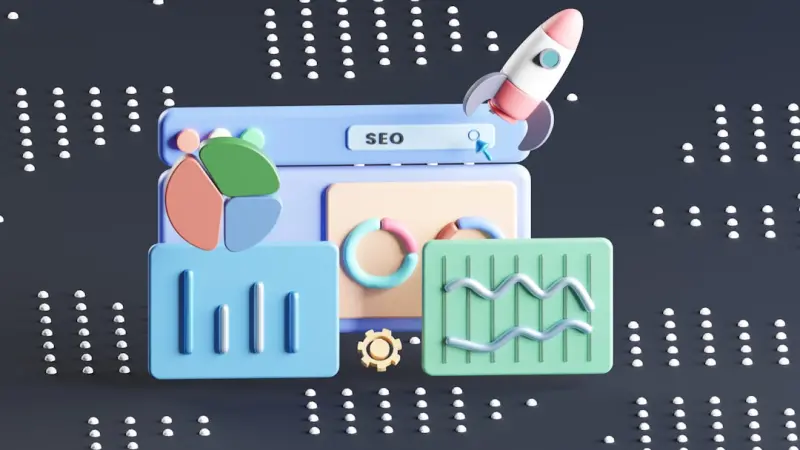
Why Intent‑First On‑Page SEO Beats Keyword Stacking
For years I chased the perfect keyword density, believing that stuffing a page with exact match terms would win the SERPs. The reality, however, is that Google’s algorithms have evolved to prioritize user intent over raw keyword counts, rewarding pages that anticipate the question a visitor is truly asking. By shifting the focus from “what words do we include?” to “what problem are we solving?”, you create copy that feels natural, engages readers, and signals relevance to crawlers. This mindset change also reduces the risk of over‑optimization penalties, allowing you to build authority without the constant fear of algorithmic backlash.
Mapping the User Journey Into Page Architecture
Imagine a visitor landing on your site as a traveler on a road trip; the page layout should act as a well‑signposted map guiding them from curiosity to conversion. Start by identifying the primary intent—informational, navigational, or transactional—and then structure headings, subheadings, and sections to mirror that journey. A logical hierarchy not only improves readability but also helps search engines understand content relationships, boosting topical relevance. By aligning the visual flow with the cognitive flow, you create a seamless experience that keeps users engaged and reduces bounce rates, ultimately sending positive ranking signals.
Crafting Meta Tags That Speak Human Intent
Meta titles and descriptions are the first handshake between your page and the searcher; they must convey intent with crystal‑clear precision. Instead of cramming keyword phrases, write a concise promise that reflects the answer the user seeks, and sprinkle a compelling call‑to‑action that differentiates you from the competition. Remember, the meta description isn’t a ranking factor per se, but a higher click‑through rate can boost rankings indirectly. When you blend relevance with intrigue, you invite more qualified clicks, feeding Google the behavioral data it loves to reward.
Leveraging Semantic HTML for Crawl Clarity
Beyond the visible content, search engines parse the underlying HTML to gauge structure and importance. Using semantic tags such as <article>, <section>, <header>, and <aside> tells crawlers exactly how to interpret each block of text, reducing ambiguity and improving indexation speed. Pair these tags with descriptive aria‑label attributes for accessibility, and you’ll earn extra goodwill from both users and algorithms. The result is a cleaner, more crawl‑friendly page that can rise faster in rankings without sacrificing user experience.
AI‑Powered Content Audits: A New On‑Page Ally
Artificial intelligence has become an indispensable auditor for on‑page health, scanning for gaps between user intent and existing copy at a scale no human can match. Tools that leverage prompt engineering can surface low‑performing sections, suggest semantic variations, and even flag outdated facts that erode trust. By integrating these insights into a regular content refresh cadence, you stay ahead of shifting search trends and maintain a fresh, intent‑aligned presence. The AI audit becomes a feedback loop: it identifies friction, you tweak the page, and the improved metrics reinforce the strategy.
Balancing Visuals and Load Speed for Engagement
Images, videos, and interactive widgets are essential for capturing attention, yet they can sabotage load times if not optimized correctly. Adopt a “visual‑first, performance‑second” approach: choose compressed formats, implement lazy loading, and serve assets via a CDN to keep page speed high without sacrificing aesthetic appeal. A fast, visually rich experience lowers bounce rates and signals to Google that users find value, which translates into higher rankings. Remember, each millisecond saved is an additional opportunity for a visitor to consume your content and move deeper into the conversion funnel.
Internal Linking as Narrative Flow
Think of internal links as chapters in a story that guide readers from one insight to the next, reinforcing topical authority while distributing link equity. Instead of scattering generic “read more” anchors, craft contextual links that naturally fit the surrounding sentence and promise a logical next step. When you reference a case study, link to its detailed page; when you mention a technique, connect to a how‑to guide. This narrative linking strategy not only improves crawl depth but also encourages users to spend more time on site. For a deeper dive into experimental linking tactics, check out SEO experiments that reveal unexpected gains.
Measuring On‑Page Success Beyond Rankings
Traditional SEO metrics like position and organic traffic tell only part of the story; true on‑page health is reflected in engagement signals such as dwell time, scroll depth, and conversion rates. Deploy heatmaps and session recordings to observe how users interact with your headings, CTAs, and multimedia elements. Correlate these behavioral insights with Google Analytics events to pinpoint which on‑page tweaks yield the biggest ROI. By focusing on user‑centred KPIs, you create a virtuous cycle where improved experience drives better metrics, which in turn reinforces your search visibility.
Future‑Proofing Your On‑Page Strategy
The search landscape will keep evolving, with voice search, AI assistants, and immersive experiences reshaping how users discover content. To stay ahead, embed flexibility into your on‑page framework: use modular content blocks that can be repurposed for different formats, maintain a robust schema layer that can adapt to new rich result types, and keep your intent‑mapping documentation up to date. When your pages are built on a foundation of user intent, semantic clarity, and data‑driven optimization, they’ll remain resilient no matter how the algorithms shift. In short, an intent‑first, AI‑augmented approach today sets the stage for sustainable search success tomorrow.

Related Posts

On‑Page SEO in 2024: Margaret Thomson’s Human‑Centric Blueprint
Margaret Thomson shares a human‑centric, 2024 on‑page SEO guide, covering intent, semantic HTML,... Read More

Turning SaaS Feature Pages into SEO Powerhouses
Feature pages are the hidden gold mines for SaaS SEO. This guide shows how to map buyer intent, stru... Read More

Real‑Time On‑Page SEO: Turning Every Visit Into a Ranking Signal
Mei Chen shares a fresh, agile approach to on‑page SEO, showing how real‑time user signals, adap... Read More
Top Posts
Empathy-First Content Strategy: Why Listening Beats Algorithms
Learn why listening to your audience, not just data, is the secret to a content strategy that ranks higher, converts better, and fosters genuine brand loyalty....Read More

Capture the ‘Near Me’ Boom: Hyperlocal SEO Strategies for Small Businesses
Learn how to dominate “near me” queries with geo‑fencing, neighborhood content hubs, and AI‑powered local SERPs, turning mobile searches into real‑wor...Read More

A Test‑and‑Learn SEO Playbook: Turning Experiments into Rankings
Learn how to build a test‑and‑learn SEO system that transforms hypotheses into ranking wins, using real‑world experiments, statistical rigor, and scalable...Read More

The Future of Content Strategy: Human‑Centric Storytelling in 2024
Laura Wilson reveals how human‑centric storytelling, empathy mapping, and community co‑creation are reshaping content strategy in 2024, delivering authentic...Read More
0 Comments
Post Comment
You will need to Login or Register to comment on this post!