
Why Google’s Algorithm Changes Matter More Than Ever
When Google rolls out a new algorithm, the ripple effect is felt across every corner of the digital ecosystem, from fledgling blogs to multinational e‑commerce platforms, and the reason is simple: the search engine’s core mission of delivering the most relevant answer to a user’s query has never been more precise, thanks to layers of machine‑learning signals that weigh intent, expertise, and experience in ways that were once the exclusive domain of human editors; this shift forces marketers to abandon the old “keyword‑stuffing” playbook and adopt a mindset that treats every piece of content as a conversation partner, not a billboard, because Google now rewards content that anticipates and satisfies the nuanced needs of real people. Understanding the anatomy of these updates—whether they target low‑quality spam, thin content, or manipulative link schemes—allows SEOs to pre‑emptively audit their assets, prioritize high‑impact fixes, and protect traffic streams before a dramatic drop in rankings becomes a headline; the stakes are amplified by the fact that organic visibility still accounts for the majority of website traffic in most industries, making algorithmic volatility a direct line to revenue fluctuations. Finally, the cultural zeitgeist around privacy, AI, and user empowerment means that Google’s algorithms are increasingly transparent about the values they encode, so staying ahead is no longer a technical exercise but a strategic imperative that blends data science with a genuine empathy for the audience.
From Panda to Helpful Content: Evolution of Intent
Looking back, the 2011 Panda update was the first major signal that Google cared deeply about content quality, penalizing sites with duplicate, thin, or ad‑laden pages, and it set the stage for a series of refinements that gradually shifted the focus from superficial metrics to the underlying purpose of a query; each subsequent rollout—Penguin’s crackdown on link spam, Hummingbird’s semantic parsing, and the more recent Helpful Content update—has nudged the industry toward a human‑first approach that values depth, originality, and user satisfaction above all else. As a result, the modern SEO professional must think like a journalist, a teacher, and a problem‑solver rolled into one, crafting narratives that answer the “why” behind a search while also satisfying the “how” of execution, because Google now evaluates pages through the lens of expertise, authoritativeness, and trustworthiness (E‑A‑T) in conjunction with real‑world signals such as dwell time and bounce rate. The cumulative effect is a landscape where algorithmic changes are less about shocking the system and more about reinforcing a steady march toward relevance, so the smartest strategists treat each update as a data point that confirms or refines their audience‑centric hypothesis.
The Empathy Lens: Interpreting Signals in a Human‑First Index
What if we approached Google’s ever‑evolving algorithm not just as a set of technical rules but as a mirror reflecting the collective empathy of billions of users, each click a subtle vote for content that understands their pain points, aspirations, and context; this perspective transforms the SEO challenge from a game of shortcuts into a discipline of listening, iterating, and delivering value, and it aligns perfectly with the emerging philosophy that “search is a conversation, not a transaction.” In practice, this means leveraging tools that surface user intent—such as query clustering, SERP feature analysis, and sentiment mapping—to identify the emotional undercurrents driving searches, then shaping headlines, meta descriptions, and body copy to speak directly to those feelings; when you pair this with Empathy‑Driven Link Building: Turning Connections into Rankings, you create a feedback loop where backlinks are earned because people genuinely trust and recommend your content, not because of manipulative outreach tactics. By treating each backlink as a vote of confidence from a real person, you align your link profile with the human‑centric signals that Google increasingly rewards, turning the often‑opaque world of link equity into a transparent ecosystem of relationships.
Why Empathy Is the Secret Sauce Behind Modern Content Creation
When you read The Empathy Advantage: How Listening Transforms Content Marketing, the case becomes clear: audiences are no longer satisfied with generic answers, they crave narratives that acknowledge their specific circumstances, and Google’s algorithms have caught up, using natural language processing models that can detect tone, nuance, and relevance at a granular level; this means that the content that climbs to the top of the SERPs is often the one that mirrors the reader’s own voice, reflects their concerns, and offers actionable insights that feel personally tailored. To embed empathy into your workflow, start by conducting “voice of the customer” interviews, mining community forums, and analyzing comment sections for recurring frustrations, then map those insights directly onto your content briefs, ensuring every heading, subheading, and paragraph answers a real question; this method not only boosts relevance scores in Google’s evaluation but also builds brand loyalty that transcends the algorithmic dance. Moreover, when you combine empathetic storytelling with strategic on‑page optimization—like schema markup for FAQs and structured data for product reviews—you give Google the precise signals it needs to surface your content to the right audience at the right moment.
Practical Playbook: Aligning Your SEO Tactics with the Latest Signals
To turn the abstract principles of empathy and algorithmic intent into tangible results, start with a triad of actions: audit, adapt, and amplify; first, conduct a comprehensive technical audit that checks for crawl errors, mobile‑friendliness, and Core Web Vitals, because even the most compelling content will falter if the page fails to load quickly or is inaccessible on smartphones, and Google’s page experience update makes these factors non‑negotiable ranking signals. Next, adapt your content strategy by clustering topics around user intent clusters, employing long‑tail keyword variations that capture the conversational nature of voice search, and weaving in semantic entities that Google’s AI can associate with expertise, thereby increasing the likelihood of appearing in rich results, featured snippets, and “People also ask” boxes. Finally, amplify your efforts through an outreach plan that prioritizes relationship‑based link building, social amplification, and community engagement, ensuring that each backlink carries contextual relevance and genuine endorsement, which in turn reinforces the human‑first signals that modern algorithms reward.
Key Tactics to Implement Today
Below is a quick checklist you can roll out this week to future‑proof your site against the next algorithmic wave:
- Conduct a Core Web Vitals audit using PageSpeed Insights and resolve any “poor” scores for LCP, FID, and CLS.
- Map existing content to user intent categories (informational, navigational, transactional) and identify gaps where new, empathy‑driven pieces can fill unmet needs.
- Implement structured data for FAQs, How‑To, and Review snippets to increase chances of earning rich results.
- Refresh meta titles and descriptions to include natural language queries and a clear value proposition that resonates emotionally.
- Launch an outreach campaign focused on relationship‑first link building, targeting industry influencers who have demonstrated genuine interest in your niche.
Future‑Proofing Your Strategy: What the Next Wave Might Look Like
Looking ahead, Google’s roadmap suggests a continued emphasis on AI‑driven understanding of context, meaning that future updates will likely reward sites that can demonstrate not only topical authority but also the ability to adapt content in real time based on emerging user trends; this could manifest as dynamic SERP features that surface live FAQs, interactive tools, or personalized recommendations powered by real‑time data feeds, and SEOs who invest in modular content architectures—where snippets, micro‑content, and full‑length articles are built from reusable components—will have a competitive edge in feeding these signals quickly and efficiently. Additionally, the growing importance of multimodal search—incorporating images, video, and audio—means that optimizing for visual search engines, adding descriptive alt text, and providing transcripts for video content will become baseline requirements, as Google’s algorithms increasingly cross‑reference these assets to assess overall content quality and relevance. By embedding a culture of continuous learning, data‑driven experimentation, and genuine empathy for the audience, you position your brand not just to survive but to thrive in an environment where the algorithm is less a gatekeeper and more a collaborative partner in delivering value.
Preparing for AI‑Enhanced SERP Features
One practical way to stay ahead is to pilot AI‑generated content outlines that are then refined by human experts, ensuring that the output maintains the nuanced empathy that Google’s language models are beginning to recognize and reward; this hybrid approach leverages the speed of automation while preserving the authenticity that readers—and search engines—demand, and it also creates a scalable workflow for producing high‑quality, intent‑focused articles at the pace required by today’s rapid content cycles. Coupled with systematic monitoring of ranking fluctuations, click‑through rates, and dwell time, you can quickly iterate on topics that underperform, test alternative headlines, and adjust on‑page signals, turning each data point into a learning opportunity that aligns with the algorithm’s evolving criteria. Remember, the ultimate goal isn’t to game the system but to craft experiences that naturally align with the algorithm’s mission: helping users find the best answer, as quickly and effortlessly as possible.
Measuring Impact: Metrics that Matter in a Post‑Update Landscape
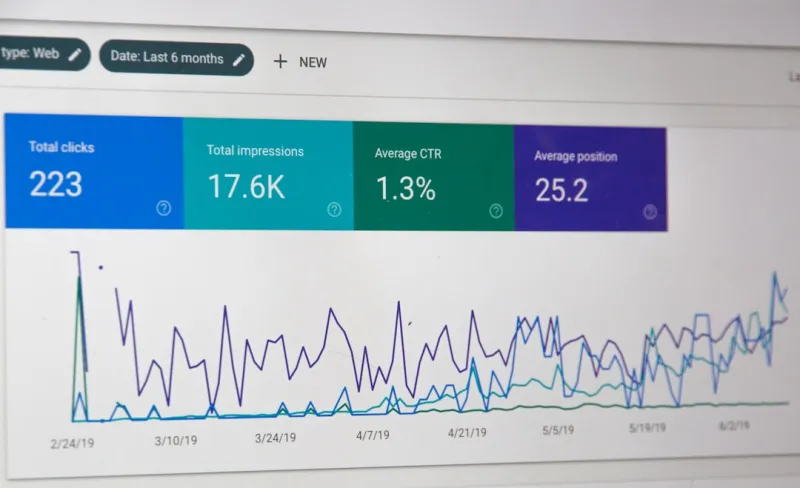
After you’ve implemented the empathy‑first tactics and technical enhancements, the next step is to quantify success using a blend of traditional SEO metrics and human‑centric KPIs; while organic traffic, keyword rankings, and backlink profiles remain essential, you should also track metrics such as user satisfaction scores, content‑specific engagement time, and conversion paths that illustrate how well your content meets the emotional and informational needs of visitors. Tools like Google Search Console’s “Performance” report now surface data on “search appearance” and “search intent,” allowing you to see not just which queries drive clicks but also how those clicks translate into downstream actions, and by correlating these insights with on‑page heatmaps, you can pinpoint exactly where empathy-driven elements—like personalized introductions or user‑generated testimonials—drive the most impact. Moreover, a rise in “brand search” queries and positive sentiment in social mentions can serve as leading indicators that your content is resonating on a deeper level, signaling to Google that your site is a trusted resource worth promoting.
Turning Data Into Ongoing Optimization
Finally, adopt a cadence of monthly review sessions where you sift through the data, identify trends, and iterate on both content and technical elements; this disciplined approach ensures that any algorithmic shifts are quickly detected and addressed, and it reinforces a culture of continuous improvement that aligns with the ever‑changing nature of Google’s AI models; by treating each data point as a conversation with your audience—asking “what did they find useful?” and “where did they get frustrated?”—you maintain the empathy loop that not only satisfies users but also satisfies the algorithm’s quest for relevance, creating a virtuous cycle of ranking stability and brand loyalty.

Related Posts

Decoding Google’s Passage Ranking: What SaaS Knowledge Bases Need to Know
Passage ranking lets Google surface specific sections of long‑form pages, changing how SaaS compan... Read More

Beyond Core Updates: Harnessing Google’s Hidden Ranking Signals
Explore the quiet yet powerful ranking factors Google uses beyond core updates and get a step‑byâ€... Read More

Google’s Passage Ranking: How Sub‑Content Is Redefining Search Visibility
Explore the impact of Google’s passage ranking on long‑form pages, practical ways to optimize ea... Read More
Top Posts

Turning Your Team into a Social Media Powerhouse
Learn a step‑by‑step framework for building a high‑impact employee advocacy program that aligns with the buyer journey, drives qualified leads, and scales...Read More

The Everlasting Magic of Collectible Toys
Collectible toys evoke nostalgia, spark creativity, and bring people together. Explore the world of tiny treasures and discover the magic of collecting....Read More
AI‑Powered Link Building: Turning Data Into High‑Quality Backlinks
Learn how to combine AI‑driven intent analysis, proprietary data assets, and micro‑influencer collaborations into a repeatable link‑building engine that d...Read More

The Human‑Centric Blueprint for a Modern Content Strategy
Learn how to craft a content strategy that puts people first—combining empathy, data, and SEO for authentic engagement and lasting results....Read More
0 Comments
Post Comment
You will need to Login or Register to comment on this post!