
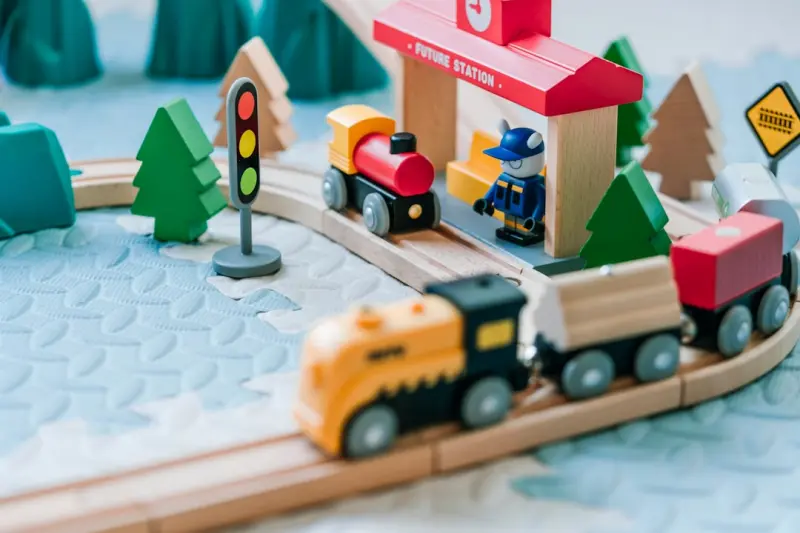
When I first stumbled upon a box of interlocking wooden gears at a weekend craft fair, I felt a spark that’s rarely ignited by the glossy, battery‑powered toys that dominate today’s shelves. The tactile click of each piece, the quiet anticipation of building something that was uniquely yours, reminded me why I fell in love with toys as a child—curiosity, control, and the sheer joy of creation. As an adult, I’ve watched that same spark flicker in friends who have swapped streaming marathons for Saturday‑long build sessions, discovering that the desire to assemble, customize, and even tinker with a toy doesn’t fade with age. This isn’t about nostalgia; it’s about a growing movement that blends the maker‑culture mindset with the timeless allure of play, giving grown‑ups a legitimate outlet for imagination that also doubles as a stress‑relief ritual. In the sections that follow, I’ll explore how DIY custom toys are reshaping our leisure landscape and why they deserve a spot on every modern adult’s shelf.
The Rise of Modular Kits for Grown‑Ups
Modular kits have leapt from hobbyist basements into mainstream retail, offering everything from magnetic sculpture sets to programmable robotic arms that snap together without soldering. What sets these kits apart is their scalable complexity—a beginner can start with a simple geometric puzzle, while an experienced builder can layer sensors, LEDs, and even code to create interactive art pieces. Companies are listening, releasing collections that are deliberately ambiguous, encouraging users to reinterpret the instructions and add personal flair. This open‑endedness fuels a sense of ownership; the final product is not just a toy, but a reflection of the builder’s personality and problem‑solving style. By providing clear, high‑quality components alongside optional advanced modules, these kits bridge the gap between casual play and serious maker projects, turning a Saturday afternoon into a laboratory of creativity.
Personalization as a Path to Mental Wellness
In an age where screen fatigue is a common complaint, the tactile satisfaction of assembling a physical object offers a grounding counterpoint. The act of selecting a piece, feeling its texture, and fitting it into a larger whole engages the brain’s fine‑motor and spatial reasoning centers, releasing dopamine in a way that scrolling feeds cannot replicate. Moreover, customizing a toy—whether by painting, swapping components, or programming unique behaviors—creates a narrative ownership that can boost self‑esteem. Studies have shown that hands‑on creation can lower cortisol levels, acting as a natural antidote to anxiety. For many, the finished piece becomes a visual reminder of a calm, focused moment, a tangible “stress token” that can be revisited during hectic days. In my own experience, the simple ritual of snapping together a new gear set after a long work week has become an unofficial meditation, reinforcing the idea that personalized play is a potent tool for mental health.
Eco‑Conscious Design Meets Creative Freedom
While the allure of customization draws many to DIY toys, the environmental footprint of these products cannot be ignored. Forward‑thinking brands are now sourcing reclaimed wood, recycled plastics, and biodegradable polymers, ensuring that each component can be repurposed at the end of its life cycle. This shift toward eco‑conscious design aligns with the broader consumer demand for responsible manufacturing without sacrificing the joy of building. Some kits even include a “re‑mix” guide, encouraging users to disassemble their creations and re‑configure them into entirely new forms, extending the product’s lifespan indefinitely. By treating each piece as a reusable building block rather than a single‑use novelty, manufacturers reduce waste while fostering a culture of endless experimentation. The result is a win‑win: enthusiasts receive high‑quality, customizable toys, and the planet benefits from a reduced material turnover.
Community Maker Collaborations Amplify the Experience
One of the most exciting developments in the DIY toy arena is the rise of local maker collectives that host “build‑and‑share” nights, where participants bring their unfinished projects and swap components or ideas. These gatherings echo the collaborative spirit of open‑source software, turning solitary tinkering into a communal celebration of ingenuity. By joining forces, hobbyists can access rare parts, troubleshoot design challenges, and inspire each other with unexpected applications—like integrating a kinetic sculpture into a home lighting system. For those looking to dive deeper, many community spaces partner with local schools and libraries, offering workshops that blend art, engineering, and storytelling. Check out this guide on community maker collaborations for tips on finding or starting a group near you. The collective energy not only accelerates learning but also builds lasting friendships centered around the love of making.
Augmented Reality and Interactive Layers
Technology is no longer an afterthought in the realm of custom toys; it’s becoming an integral layer that expands the possibilities of physical play. Augmented reality (AR) apps now let builders project digital animations onto their assembled models, creating hybrid experiences where a wooden robot can appear to “walk” across a tabletop via a smartphone overlay. Similarly, Bluetooth‑enabled modules can sync with mobile devices, allowing users to program movement patterns, light shows, or soundscapes directly from a simple drag‑and‑drop interface. These interactive features don’t replace the tactile joy of building—they enhance it, offering a bridge between the analog and digital worlds. By incorporating AR, creators can visualize design iterations before committing to a physical build, reducing material waste and streamlining the creative process. The synergy of hands‑on construction and immersive tech opens new storytelling avenues, making each toy a dynamic canvas for personal expression.
Indie Creators Find a Marketplace
The democratization of manufacturing—thanks to 3D printing, laser cutting, and small‑batch CNC services—has empowered independent designers to launch niche toy lines without massive upfront capital. Platforms that specialize in handcrafted goods now host dozens of creators who offer bespoke kits, limited‑edition parts, and even custom engraving services. By leveraging social media and community forums, these indie brands can directly engage with their audience, gathering feedback that shapes future releases. This direct‑to‑consumer model not only nurtures a loyal fan base but also encourages a cycle of continual innovation, as designers iterate based on real‑world usage. For hobbyists, supporting these creators means accessing truly unique components that can’t be found in mass‑produced aisles, further fueling the desire to personalize and experiment. The result is a thriving ecosystem where creativity, craftsmanship, and commerce intersect, proving that there’s a profitable niche for anyone passionate about making toys for adults.
Future Outlook: From Hobby to Lifestyle
Looking ahead, the line between hobbyist projects and everyday lifestyle accessories is set to blur even further. Imagine a living room where a custom‑built kinetic sculpture doubles as an ambient light source, or a desk organizer that you can reconfigure each week to match your workflow. As materials become smarter—think self‑healing polymers or bio‑based composites—the durability and adaptability of DIY toys will increase, making them viable long‑term fixtures in homes and offices. Moreover, the growing emphasis on mental wellness will likely position these tactile experiences as essential components of a balanced routine, akin to yoga or journaling. By embracing the ethos of continual creation, we can transform idle time into purposeful play, fostering a culture where the act of building is as celebrated as the finished product. In this evolving landscape, the humble DIY kit may very well become the cornerstone of a more mindful, inventive society.

Related Posts
The Everlasting Magic of Collectible Toys
Collectible toys have a way of captivating people of all ages. Learn about the history, evolution, a... Read More
The Human‑Centric Revolution in Modern Toys
Explore the shift from simple fun to purpose‑driven play, where human‑centric design, sustainabi... Read More

The Enduring Magic of Childhood: How Collectible Toys Bring Joy to Our Lives
Collectible toys evoke memories of our childhood and bring joy to our lives. Learn about the nostalg... Read More
Top Posts

Story‑Centric Content: The Narrative Engine Driving SaaS Growth
A fresh take on content marketing, this post shows why weaving a cohesive story across all assets—rather than churning out isolated pieces—creates a powerfu...Read More

LinkedIn Company Page SEO: A Tactical Playbook for SaaS
A step‑by‑step guide shows how SaaS marketers can transform their LinkedIn Company Page into a high‑ranking, lead‑generating asset by aligning keywords,...Read More
Link Building for SaaS: Turning Connections into Conversions
A fresh, relationship‑centric guide to SaaS link building that blends data‑driven prospecting, community partnerships, and customer advocacy to earn high‑...Read More

Micro‑Frontends Meet Technical SEO: Scaling SaaS Sites for Search Engines
A deep‑dive into aligning micro‑frontend architectures with technical SEO best practices—covering SSR, canonicalization, crawl‑budget, structured data, ...Read More
0 Comments
Post Comment
You will need to Login or Register to comment on this post!