
Why Community Partnerships Are the Missing Link in Local SEO
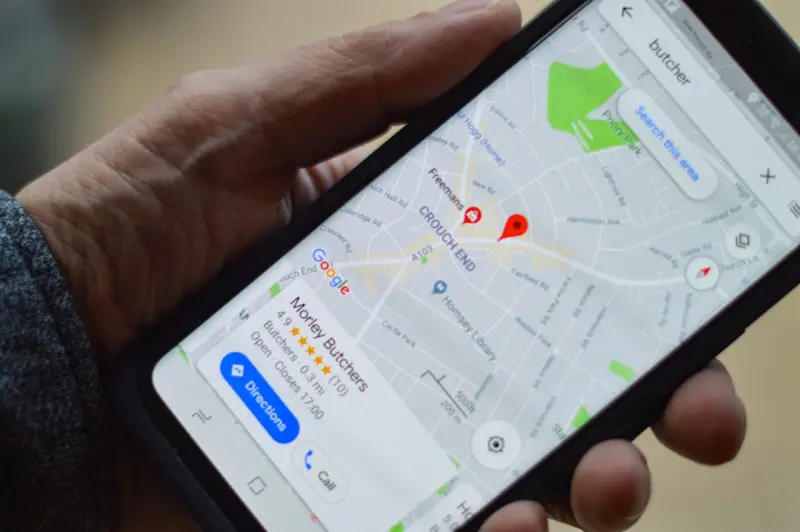
When I first stepped into the world of local search, I chased the same metrics everyone else chased: citations, NAP consistency, and Google My Business tweaks. It took a chance encounter at a neighborhood farmers market to realize that genuine community relationships can fuel rankings in ways algorithms quietly reward. Partnerships with local non‑profits, schools, and even the corner coffee shop create earned relevance that no amount of schema markup can replicate. By aligning your brand with neighborhood initiatives, you not only earn goodwill but also acquire natural backlinks and organic mentions that signal authority to search engines.
Mapping the Local Ecosystem Before You Pitch
Before you start proposing joint events or co‑branded content, take a systematic inventory of the entities that already shape your town’s digital conversation. List the chambers of commerce, community newsletters, and hyper‑local blogs that residents trust. This mapping exercise reveals high‑impact allies and uncovers gaps where your expertise can add value. For example, a local pet shelter might need help promoting adoption days, and your pet‑care business can provide educational flyers while gaining a backlink from their event page. The key is to be strategic, not scatter‑shot, ensuring every collaboration aligns with both your SEO goals and the community’s needs.
Crafting Co‑Created Content That Ranks
Co‑creating content with local partners gives you a dual advantage: fresh, relevant material for your site and a natural outreach channel through your partner’s audience. Think interview‑style blog posts, joint infographics, or a shared “Best of the Neighborhood” guide. When the partner promotes the piece, you gain referral traffic, and search engines notice the increased authority signals. Remember to embed your hyperlocal SEO tactics—like city‑specific keywords and geo‑tagged images—to amplify the local relevance of the content.
Leveraging Internal Links to Amplify Local Signals
Once you’ve built a suite of community‑focused pages, the next step is to weave them into your site’s internal linking structure. A well‑planned internal linking strategy tells search engines which pages are most important and helps distribute link equity across your local assets. For instance, a dedicated “Community Involvement” hub can link out to each partnership page, while those pages, in turn, link back to core service pages using anchor text that reflects local intent. This creates a web of relevance that search engines can easily crawl, reinforcing your authority in the geographic niche you serve. For deeper insights, check out the guide on internal linking strategy.
Building Trust Through Authentic Reviews and Testimonials
Community collaborations naturally generate happy customers who are eager to share their experiences. Encourage partners to ask participants for reviews that mention both the event and your brand. These testimonials become powerful social proof on your site and in local listings. When a local school’s parent praises your tutoring service in a Google review, that signal carries more weight than a generic five‑star rating because it ties your business to a trusted community institution. Display these reviews prominently on location‑specific landing pages to boost conversion rates and reinforce local relevance.
Hosting Micro‑Events That Spark Digital Buzz
Small, recurring events—like a quarterly “Coffee & SEO” meetup at a downtown café—create repeatable moments for both real‑world engagement and online coverage. Promote the event through the partner’s social channels, local event calendars, and your own newsletter. After the event, publish a concise recap with photos, speaker highlights, and a list of actionable takeaways. This post not only fuels fresh content but also attracts local journalists and bloggers who may link back to your recap, generating valuable local backlinks. Consistency is key; the more you host, the more “event schema” signals you accumulate, which search engines love.
Measuring Impact: Local SEO KPIs That Matter
Tracking the ROI of community partnerships requires a mix of traditional and hyper‑local metrics. Monitor organic traffic from city‑specific queries, changes in local pack rankings, and the number of referral visits from partner domains. Use Google My Business insights to see how many direction requests and calls stem from the dates you hosted events. Additionally, set up UTM parameters for any shared links so you can attribute conversions directly to each partnership. By aligning these data points, you can pinpoint which collaborations deliver the strongest SEO lift and refine your strategy accordingly.
Scaling Partnerships Without Losing Authenticity
As your network expands, it’s tempting to chase every possible collaboration, but authenticity remains the linchpin of success. Prioritize partners that share your brand values and serve a complementary audience. Create a partnership playbook that outlines outreach templates, co‑branding guidelines, and measurement criteria to ensure each new relationship aligns with your SEO objectives. By maintaining a curated list of high‑quality allies, you preserve the genuine community feel that search engines reward while still scaling your local presence.
Future‑Proofing Your Local SEO Through Community Roots
The digital landscape will always evolve, but the core principle that search engines reward genuine local relevance stays constant. By embedding your brand in the fabric of the community, you future‑proof your rankings against algorithmic shifts. When the next update favors “user intent” or “local expertise,” you’ll already have a robust foundation of real‑world partnerships, authentic reviews, and localized content to fall back on. In essence, community partnerships are not just a tactic—they’re a sustainable philosophy that turns local SEO from a checklist into a living, breathing part of your business culture.

Related Posts

Local Voice Search: Turning Neighborhood Conversations into Customers
Learn a fresh approach to local SEO by optimizing for voice queries, leveraging community ties, and ... Read More

Neighborhood Narratives: Turning Local SEO Into Community Storytelling
A fresh take on local SEO, this guide shows marketers how to move beyond basic NAP listings and buil... Read More
Optimizing for Local Search: A Comprehensive Guide to Local SEO
Discover the importance of local SEO and learn how to optimize your online presence to attract more ... Read More
Top Posts

Edge‑Powered Mobile SEO: Future‑Proof Your Site
Learn how edge computing can supercharge your mobile SEO, delivering faster load times, AI‑optimized images, and personalized content directly from the networ...Read More

Edge Computing and Serverless Strategies: The Next Evolution in Technical SEO
Learn how edge computing and serverless strategies can revamp your technical SEO, from dynamic schema injection to real‑time performance monitoring....Read More

Technical SEO for Headless Sites: A Pragmatic Playbook
Discover a fresh approach to technical SEO tailored for headless architectures, covering SSR vs. SSG, API‑driven structured data, edge latency, and a practica...Read More

When Play Gets Smart: The Hybrid Toy Revolution
Hybrid toys combine tactile experiences with digital interactivity, offering personalized, educational, and safe play. This post examines their benefits, market...Read More
0 Comments
Post Comment
You will need to Login or Register to comment on this post!