

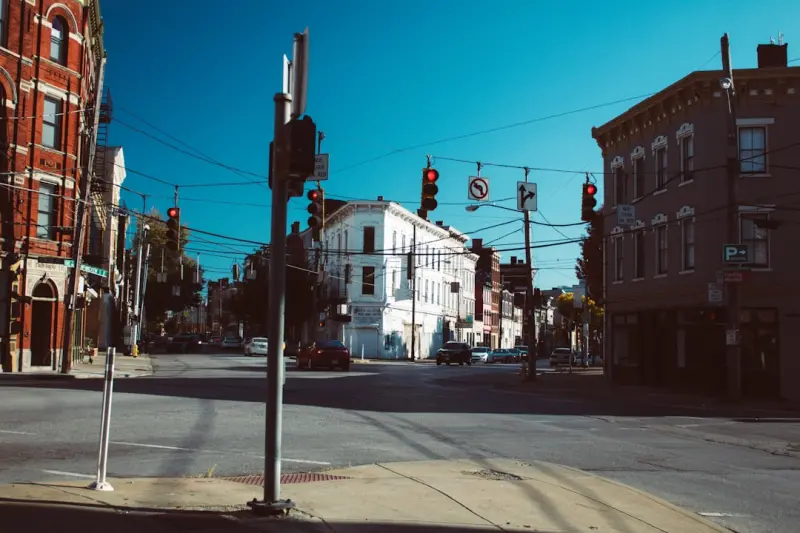
When I walk downtown on a Saturday morning, I hear the same buzz that every small‑town business feels—neighbors chatting, kids playing, a coffee shop’s espresso machine humming, and a local bakery’s doorbell chiming. That soundscape is a goldmine for local SEO, yet most marketers still chase city‑wide keywords and ignore the micro‑moments that happen at the corner of Main and Oak. By tuning into those hyperlocal cues—what people say, where they gather, and which community events dominate the calendar—you can craft a search presence that feels as personal as a handwritten note. The trick isn’t just about claiming a zip code; it’s about weaving your brand into the daily rhythm of the neighborhood so that search engines recognize you as the go‑to authority for that exact block.
Mapping the Neighborhood Narrative
First, treat your service area like a living story rather than a static radius. Start by charting the places where locals spend their time: farmer’s markets, school sports fields, weekend street fairs, and even the dog park that’s always busy at dusk. Each of these touchpoints generates organic mentions, social check‑ins, and photo tags that search engines can harvest as trust signals. When you embed these location‑specific landmarks into your website copy—say, “We deliver fresh pastries to the Saturday market on 5th Street”—you’re giving Google a clearer picture of relevance. This approach also creates a natural repository of long‑tail keywords that competitors rarely target, allowing you to rank for phrases like “best gluten‑free muffins near Riverside Park” without battling high‑volume generic terms.
Partnering with Micro‑Influencers in Your Town
Micro‑influencers aren’t just Instagram celebrities; they’re the beloved high school teachers, popular yoga instructors, and neighborhood librarians whose recommendations shape daily decisions. By collaborating with these trusted voices—perhaps offering a free workshop in exchange for a social shout‑out—you generate authentic backlinks that resonate with both locals and search engines. Unlike broad influencer campaigns, these partnerships produce hyper‑specific content that appears in local feeds, Google My Business posts, and community forums, amplifying your relevance score in a way that mass‑scale campaigns can’t replicate. Think of it as planting seed‑ling endorsements that grow into sturdy, location‑rich citations over time.
When you secure a mention from a local podcast host or a community Facebook group admin, ask them to include a link back to a dedicated landing page that highlights the event or collaboration. This not only drives qualified traffic but also signals to Google that your business is an active participant in the neighborhood’s digital conversation. For an example of how strategic linking can amplify authority, see the hidden power of internal links for SEO success—the same principles apply when you embed community links into your own site architecture.
Leveraging Neighborhood Data for Structured Snippets
Structured data isn’t just for e‑commerce; it can spotlight your local expertise in search results. By implementing schema markup for “LocalBusiness” and “Event” types, you tell Google exactly when and where you’re hosting a pop‑up tasting, a free yoga class, or a charity drive. When these snippets appear, they often outrank traditional listings, delivering a visual cue that you’re the go‑to spot for that particular activity. Pair this with real‑time updates—like a “closed for renovation” flag or a “special discount on Thursday evenings” note—and you create a dynamic presence that reflects the ever‑changing pulse of the neighborhood.
Beyond basic schema, consider adding “review” markup that highlights genuine customer voices from your community events. While you’re already encouraging patrons to leave Google reviews, embedding those snippets directly into your site can boost click‑through rates and reinforce trust. For a deeper dive on turning customer feedback into ranking fuel, explore harvesting customer voices—the same tactic works wonders when you spotlight neighborhood‑specific testimonials.
Creating Geo‑Focused Content Hubs
Instead of a single “About Us” page, build a series of mini‑hubs that each focus on a distinct area of your town—“Northside Nightlife,” “East End Family Activities,” or “Westside Pet‑Friendly Spots.” Within each hub, weave together blog posts, event calendars, photo galleries, and user‑generated content that all revolve around that micro‑locale. This layered approach not only satisfies users searching for “family restaurants near the community center” but also gives search engines a clear hierarchy of relevance, boosting the authority of each hub. By interlinking these hubs with concise, descriptive anchor text, you reinforce a network of localized relevance that Google can easily crawl and rank.
Remember to keep the language conversational and authentic. Residents can spot forced marketing from a mile away; they respond better to genuine narratives like “We’ve been serving the Riverside neighborhood since 1998, and we love seeing kids play in the nearby splash pad while they enjoy our ice‑cream cones.” Such storytelling resonates in both human readers and algorithmic models that prioritize user intent and dwell time.
Optimizing for Hyperlocal Voice Search
Voice assistants are increasingly the first point of contact for “near me” queries—think “Where can I find a vegan bakery open now?” By tailoring your FAQ sections to answer these spoken questions, you capture a slice of traffic that traditional text searches miss. Structure answers in concise, natural language and embed the specific neighborhood name to improve relevance. For example, “Yes, the Green Leaf Bakery on Maple Avenue is open until 9 p.m. on weekdays.” Pair these answers with schema markup for “FAQPage” to give Google a ready‑to‑display snippet that appears directly in voice results.
Testing your voice SEO is simple: use a smartphone or smart speaker and ask location‑specific questions. If your business doesn’t appear, revisit your content, ensuring you’ve included the exact phrasing and locale. Over time, consistent optimization can land you in the coveted “Featured Snippet” position for voice, driving foot traffic from users who are already on the move.
Measuring Success with Neighborhood KPIs
Standard SEO metrics—organic traffic, bounce rate, conversion rate—remain important, but they don’t tell the full story of hyperlocal impact. Introduce neighborhood‑centric KPIs such as “store visits from local search,” “event‑driven footfall,” and “social mentions from zip‑code 12345.” Google My Business Insights already offers “searches where your business was shown” broken down by distance; use this data to gauge how well your micro‑targeted efforts are performing. Combine it with UTM‑tagged URLs on community flyers and QR codes at local events to trace offline interactions back to online searches.
When you notice spikes—say, a surge in “coffee near the weekend farmers market” searches after a pop‑up stall—you can double down on that tactic, creating repeat events or targeted ads that amplify the momentum. This feedback loop ensures your local SEO strategy remains agile, data‑driven, and deeply rooted in the everyday rhythms of the community you serve.
Future‑Proofing Your Local Presence
The next wave of local search will blend augmented reality (AR) experiences with real‑world navigation, allowing users to point their phones at a storefront and instantly see menu highlights, reviews, and special offers. While the technology is still emerging, you can lay the groundwork by ensuring your digital assets—photos, menus, event calendars—are high‑resolution, up‑to‑date, and properly tagged. Partner with local AR developers or platforms that specialize in “digital storefronts” to create immersive experiences that set you apart from the competition.
By embracing hyperlocal storytelling, micro‑influencer collaborations, and emerging voice and AR trends, you transform your business from a static address on a map into a vibrant community hub that search engines love to recommend. The result? A steady flow of neighborhood customers who discover you organically, trust your brand because you’re woven into their daily lives, and become loyal advocates who keep the SEO cycle turning.

Related Posts

Boosting Your Local SEO: Tips and Tricks for Small Businesses
Improve your local SEO with actionable tips and tricks to increase your online visibility, drive mor... Read More

Turning Local Visual Storytelling Into SEO Gold
A practical guide shows how local businesses can harness photos, videos, and customer‑generated me... Read More
Neighborhood SEO: Turning Your Street Corner into a Search Magnet
Discover practical hyperlocal SEO tactics—optimized Google profiles, event content, neighborhood b... Read More
Top Posts

Future‑Proofing WordPress SEO with AI Audits & Topic Clusters
Discover how to combine AI content audits, custom taxonomy, and Gutenberg block patterns into a powerful topic‑cluster strategy that future‑proofs your Word...Read More

From Sketch to Screen: A Modular Blueprint for B2B Content Creation
Learn how to transform chaotic content production into a repeatable, modular engine that scales, maintains brand voice, and enables real‑time personalization ...Read More

The Next Big Wave in Toys: Why Play Is More Than Fun
Discover how sustainable, tech‑infused, and story‑driven toys are reshaping play, and why human‑centric design is the key to lasting impact....Read More

Mastering Ephemeral Content: A Playbook for Social Media Success
Learn how to leverage stories, reels, and short‑form videos to create urgency, boost interaction, and drive measurable results in your social media strategy....Read More
0 Comments
Post Comment
You will need to Login or Register to comment on this post!