

Why Voice Search is the New Frontier for Local Businesses
When a customer shouts “best coffee near me” into their phone, the results they see are driven by voice‑first algorithms that prioritize proximity, relevance, and instant answers. This shift means that traditional text‑based keyword lists are no longer enough; you must anticipate natural language patterns and conversational queries that mirror how people actually speak. By mapping these spoken phrases to your service offerings, you create a bridge between the real‑world foot traffic and the digital doorway that leads them inside. Embracing voice search is less about chasing a fad and more about aligning your business with the everyday habits of your community.
Crafting Conversational Keywords for Your Neighborhood
Start by listening to the way locals describe your products in everyday conversation—phrases like “where can I get a quick haircut downtown” or “family‑friendly pizza places open late”. Use tools that capture question‑based searches and integrate those exact phrases into your Google Business Profile, website copy, and FAQ sections. Remember, a single well‑optimized sentence can rank for multiple voice queries, so focus on clarity and intent rather than stuffing a page with variations. This conversational approach not only satisfies voice assistants but also improves user experience for anyone reading your site.
Optimizing Your Google Business Profile for Voice Queries
The Google Business Profile (GBP) is the central hub that voice assistants pull from when answering “near me” questions. Ensure every field—business name, address, phone number, hours, and categories—is accurate and reflects the language you identified in the previous step. Add a concise, spoken‑style description that includes your primary conversational keywords, and regularly update your posts with local events or promotions to keep the profile fresh. Don’t forget to upload high‑quality images and enable the messaging feature; these signals tell Google that your business is active and ready to engage with voice‑initiated customers.
Leveraging Structured Data to Speak the Language of Search Engines
Schema markup is the behind‑the‑scenes code that tells search engines exactly what you offer, where you’re located, and how you operate. Implementing LocalBusiness schema with attributes such as priceRange, openingHours, and geoCoordinates gives voice assistants reliable data to draw from when forming answers. Even small tweaks—like specifying a servesCuisine type for a restaurant—can surface your business in niche voice searches that competitors miss. The result is a more authoritative presence that aligns with the precision expectations of modern consumers.
Building Community Partnerships that Amplify Voice Visibility
Local collaborations can dramatically boost your voice search footprint. When you partner with nearby events, charities, or complementary businesses, you generate co‑branded content and backlinks that reinforce your relevance in the area. These relationships also produce real‑world mentions that voice assistants can cite, such as “the bakery that sponsors the farmer’s market”. By weaving your brand into the fabric of community activities, you create multiple touchpoints for voice queries to surface your name. For deeper insight on how community dynamics influence local rankings, see turning community trust into local search power.
Using Entity‑Driven Content to Strengthen Local Authority
Beyond keywords, search engines now understand entities—people, places, and things—as interconnected concepts. Crafting content that ties your business to recognized local entities, such as landmarks, neighborhoods, or notable personalities, helps search engines place you within the broader local ecosystem. For example, a blog post about “best weekend hikes from downtown Springfield” not only showcases your expertise but also links your brand to the “Springfield” entity. This strategy aligns with the principles of semantic SEO, allowing voice assistants to surface your business when users ask about related topics.
Measuring Voice Search Impact with Real‑World Metrics
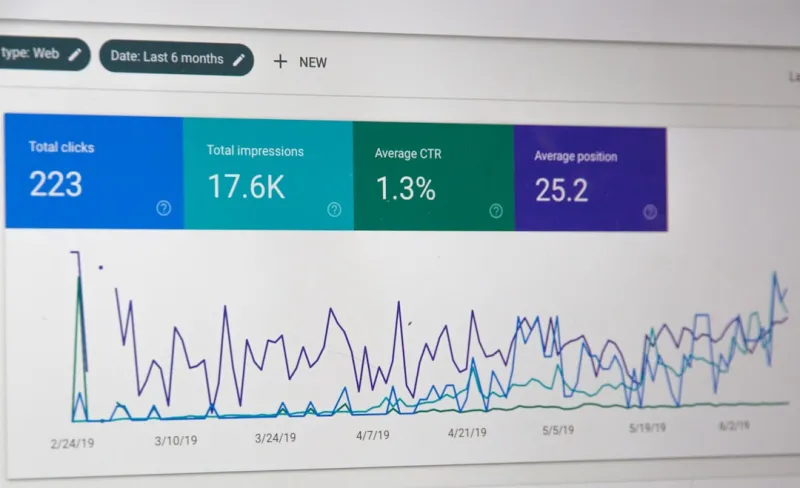
Tracking the success of a voice‑centric local SEO strategy requires a blend of digital and offline metrics. Use Google Search Console to monitor impressions and clicks for query types that resemble spoken language, and set up UTM parameters on GBP posts to trace traffic sources. Pair these data points with in‑store analytics—such as foot traffic counters or point‑of‑sale reports—to see how many customers arrived after a voice query. Surveys and QR code scans on receipts can also capture direct attribution, giving you a clear picture of ROI and informing future optimizations.
Future‑Proofing Your Local Presence for the Next Wave of Voice Innovation
As voice assistants become more context‑aware, they will begin to factor in user preferences, previous interactions, and even visual cues from AR overlays. Preparing now means maintaining an up‑to‑date, richly detailed online presence that can feed these advanced algorithms. Regularly audit your GBP, refresh schema markup, and continue nurturing community ties to stay top‑of‑mind. By treating voice search as an ongoing conversation rather than a one‑time setup, you ensure that your local business remains discoverable, trusted, and ready to welcome the next customer who asks, “where can I find the best…?”

Related Posts

Community Partnerships: The New Engine Driving Local SEO Success
Local SEO is no longer just about citations; it’s about forging genuine community partnerships tha... Read More

The Review Engine: Turning Customer Feedback into Local SEO Gold
Learn how to transform user reviews into a powerful local SEO strategy for SaaS, from building a rev... Read More
Local SEO Mastery: Shawn DesRochers’ Blueprint for Dominating Neighborhood Search
Shawn DesRochers shares an actionable local SEO roadmap, from Business Profile optimization to hyper... Read More
Top Posts

Intent‑First Content Architecture: A Blueprint for SaaS Storytelling
A practical guide that flips the traditional topic‑first approach on its head, showing SaaS marketers how to map content to four intent buckets, prioritize pr...Read More

Human‑Centric WordPress SEO: Turning Empathy into Rankings
Learn how to turn your WordPress site into a reader‑first powerhouse using empathy‑driven SEO tactics—from keyword research to technical tweaks—so both ...Read More

Local SEO Mastery in 2024: David Moore’s Blueprint for Neighborhood Dominance
David Moore shares a comprehensive 2024 local SEO guide, covering Google Business Profile tricks, hyperlocal content, reviews, citations, mobile‑first tactics...Read More

The Experimenter's Playbook: Turning Social Media Into a Real‑Time Growth Lab
By treating social platforms as a live experiment lab, marketers can rapidly test hypotheses, gather actionable insights, and feed those learnings directly into...Read More
0 Comments
Post Comment
You will need to Login or Register to comment on this post!