
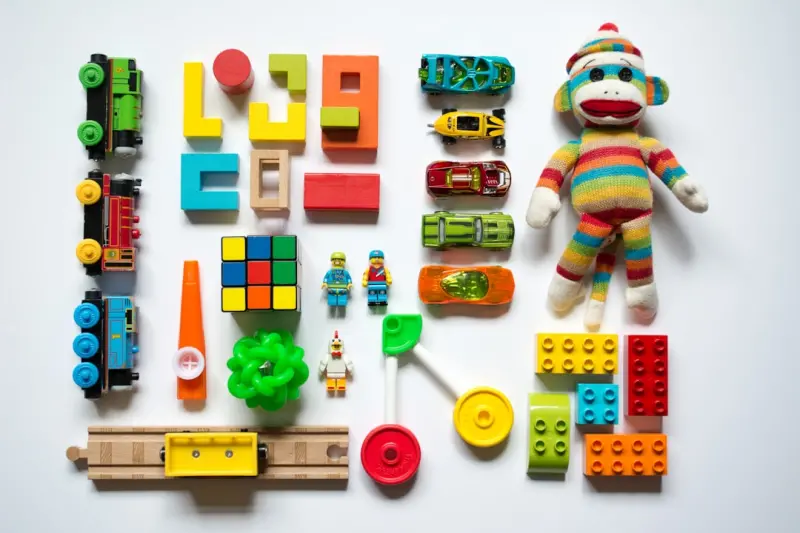
Why Sustainable Toys Are the Future of Play
When I was a kid, my imagination ran wild with plastic action figures, bright‑colored building blocks, and the occasional battery‑powered gizmo. Fast forward to today, and I find myself standing in the aisle of a modern toy store, surrounded by wooden puzzles, plant‑based plushies, and kits that teach kids to up‑cycle everyday waste into something fun. The shift is palpable, and it’s not just a passing trend—it’s a cultural realignment that reflects how we, as a society, are redefining responsibility, creativity, and joy.
From Guilt‑Free Gifting to a Whole New Play Philosophy
Parents, educators, and even grandparents are increasingly asking a simple yet profound question: “What is the impact of this toy?” The answer goes beyond safety standards or durability. It now encompasses carbon footprints, ethical sourcing, and the long‑term health of the planet our children will inherit. This new lens is turning the toy aisle into a showcase of ingenuity, where designers are challenged to blend fun with sustainability.
The Materials Revolution: What’s Inside Today’s Eco‑Friendly Toys?
Behind the bright colors and playful shapes lies a fascinating evolution of materials. Below are the most common sustainable options you’ll encounter on shelves:
- Recycled Plastics: Using post‑consumer PET bottles, manufacturers can create sturdy, lightweight toys that retain the look and feel of traditional plastics while diverting waste from landfills.
- Plant‑Based Polymers: Derived from corn starch, sugarcane, or even algae, these bioplastics decompose much faster than their petroleum‑based cousins, especially when composted correctly.
- Certified Wood: Sustainably harvested bamboo, maple, and pine are now treated with natural oils and water‑based finishes, eliminating the need for harmful chemicals.
- Organic Fabrics: Soft plush toys made from GOTS‑certified organic cotton or hemp provide a tactile experience without the pesticide residue found in conventional cotton.
- Metal Reuse: Re‑melted aluminum and steel are being repurposed for high‑precision parts in construction sets and interactive gadgets, offering durability and recyclability.
These materials are not just buzzwords; they are the building blocks of a new generation of play that teaches kids about stewardship while still delivering the magic they crave.
Designing for Longevity: The Play‑It‑Again Mindset
One of the biggest misconceptions about sustainable toys is that they’re fragile or limited in function. In reality, many designers are embracing the concept of play‑it‑again—creating products that grow with the child, can be disassembled for repairs, or easily transformed into new configurations.
Consider a wooden construction set that uses interlocking dowels instead of plastic snap‑fit pieces. As a child ages, the same set can transition from simple towers to intricate mechanical models, extending its lifespan dramatically. Brands are also offering replacement parts on demand, encouraging families to fix rather than discard.
Impact on Development: Learning Green Values Through Play
Beyond the environmental benefits, sustainable toys have a measurable impact on child development. When children engage with toys that highlight recycling, renewable resources, or nature‑based themes, they absorb core values without a lecture.
- Problem‑Solving: Kits that turn discarded cardboard into forts or vehicles encourage kids to think critically about material properties and reuse.
- Creativity: Natural textures and earthy colors spark imagination differently than synthetic neon palettes, leading to more nuanced storytelling.
- Empathy: Stories woven into eco‑friendly plush toys often feature characters caring for animals or protecting forests, nurturing emotional intelligence.
Market Momentum: Brands Leading the Green Play Revolution
Several forward‑thinking companies have taken the plunge, proving that sustainability can coexist with profitability. Here are a few standout players:
- Green Sprouts: Offers a line of plant‑based building blocks that snap together with the same precision as traditional bricks, but decompose in home compost bins.
- EcoPlay Studios: Produces a series of wooden puzzles sourced from FSC‑certified forests, each accompanied by a QR code that unlocks an animated story about the forest’s ecosystem.
- ReBound Toys: Focuses on up‑cycling—collecting used toys from families and refurbishing them into limited‑edition collections.
These brands are not just selling products; they’re cultivating communities around the idea that play can be a force for good.
Challenges and Opportunities: The Road Ahead
While the momentum is undeniable, the sustainable toy market faces hurdles that require creative solutions:
- Cost Barriers: Eco‑materials can be pricier than conventional plastics, making it challenging for budget‑conscious families. However, economies of scale are beginning to lower these costs as demand rises.
- Supply Chain Transparency: Verifying that a product truly adheres to sustainability standards demands rigorous auditing. Independent certifications like Cradle‑to‑Cradle and B Corp are becoming essential trust signals.
- Consumer Education: Many shoppers still equate “green” with “expensive” or “low quality.” Brands must invest in storytelling—showcasing the lifecycle of a toy, from raw material to end‑of‑life recycling.
These challenges are also opportunities for innovators. For instance, a startup could develop an app that scans a toy’s barcode, instantly revealing its carbon footprint, material sources, and recycling instructions—bridging transparency with technology.
Integrating Technology Without Losing the Human Touch
Speaking of technology, the intersection of sustainable toys and digital experiences is a fertile ground for exploration. While I’ve written extensively about augmented reality in play, the next step is to embed AR in eco‑friendly contexts. Imagine pointing a tablet at a wooden dinosaur and watching a short animation that explains how forests regenerate after logging—turning a simple toy into a dynamic learning tool.
Another exciting avenue is the use of progressive web apps (PWAs) to accompany physical toys. A progressive web app could provide parents with guided projects, repair tutorials, and a community forum for swapping parts, all without requiring a hefty download.
Community‑Driven Design: Crowdsourcing the Next Green Toy
The modern consumer isn’t just a passive buyer; they’re an active co‑creator. Crowdfunding platforms have birthed numerous successful sustainable toy campaigns, where backers vote on materials, colors, and even the storylines that accompany the product. This collaborative approach ensures that the final design aligns with the values of its audience, reducing the risk of unsold inventory and waste.
Future Forecast: What Will Play Look Like in the Next Decade?
If current trends continue, we can anticipate three major developments:
- Closed‑Loop Toy Ecosystems: Brands will offer subscription services where families return toys at the end of their lifecycle for refurbishment, receiving credits toward new products.
- Bio‑Interactive Play: Toys that incorporate living materials—such as seed‑embedded plush animals that can be planted after play—will merge the digital and natural worlds.
- Localized Production: 3D‑printing hubs in communities will enable on‑demand manufacturing of biodegradable parts, drastically cutting transportation emissions.
These innovations will reinforce the idea that play is not just a pastime—it’s an educational platform for sustainability, creativity, and responsible consumption.
Practical Tips for Parents Wanting to Make the Switch
Transitioning to sustainable toys doesn’t require a complete overhaul. Here are actionable steps you can take today:
- Start Small: Swap out one plastic toy a week for a wooden or fabric alternative.
- Check Certifications: Look for labels like FSC, GOTS, or the EU Ecolabel to ensure authenticity.
- Embrace Secondhand: Thrift stores and online marketplaces often have gently used toys that have already avoided the landfill.
- Repair, Don’t Replace: Keep a basic toolkit—glue, sandpaper, and spare parts—to extend a toy’s life.
- Teach Through Play: Use the toy’s story to discuss recycling, nature, and stewardship with your child.
Each small decision adds up, creating a ripple effect that can shift the entire industry toward greener practices.
Conclusion: Play as a Catalyst for Change
In the end, toys are more than just objects—they’re vessels of imagination, learning, and values. By choosing sustainable options, we empower the next generation to see stewardship as a natural part of everyday life. The toys we select today will shape the narratives children tell tomorrow, and those narratives will, in turn, influence how they care for the world.
So the next time you walk down the toy aisle, pause. Look beyond the glossy packaging and consider the story behind each piece. The future of play is bright, green, and waiting for us to join the adventure.

Jimmy Anand is a content creator that gets inspired by many aspects of life, internet or whatever inspires him at that moment. When he's not online he's gaming and when he is not gaming he is online trolling discussion boards.
Related Posts
Why Playful Discovery Beats Screen Time in Modern Toy Trends
A deep dive into how hands‑on toys are redefining play, fostering creativity, sustainability, and ... Read More
The 2024 Toy Renaissance: How Smart, Sustainable, and Community‑Driven Play Is Redefining the Market
Discover how smart tech, sustainability, and community co‑creation are reshaping toys in 2024, and... Read More
The Quiet Revolution: How Eco‑Conscious Design Is Redefining Play
A deep dive into the rise of sustainable toys, highlighting innovative materials, timeless design, a... Read More
Top Posts

Progressive Web Apps: The Mobile SEO Edge SaaS Teams Need
Progressive Web Apps (PWAs) deliver app‑like speed, offline access, and push notifications, giving SaaS sites a powerful advantage in mobile SEO. This guide w...Read More

How LinkedIn Live Can Supercharge Your SEO Presence
Learn to leverage LinkedIn Live for SEO gains: from planning keyword‑rich sessions to repurposing content for lasting authority and measurable traffic growth....Read More
Hyper-Local Domination: How to Crush Your Competition with Local SEO
Discover the power of hyper-local SEO and learn how to dominate your neighborhood with targeted strategies, voice search optimization, and technical SEO experti...Read More

Semantic Power Moves: Redefining On‑Page SEO for SaaS
A deep dive into intent mapping, semantic markup, schema implementation, and performance tweaks shows SaaS marketers how to build pages that satisfy both users ...Read More
0 Comments
Post Comment
You will need to Login or Register to comment on this post!