
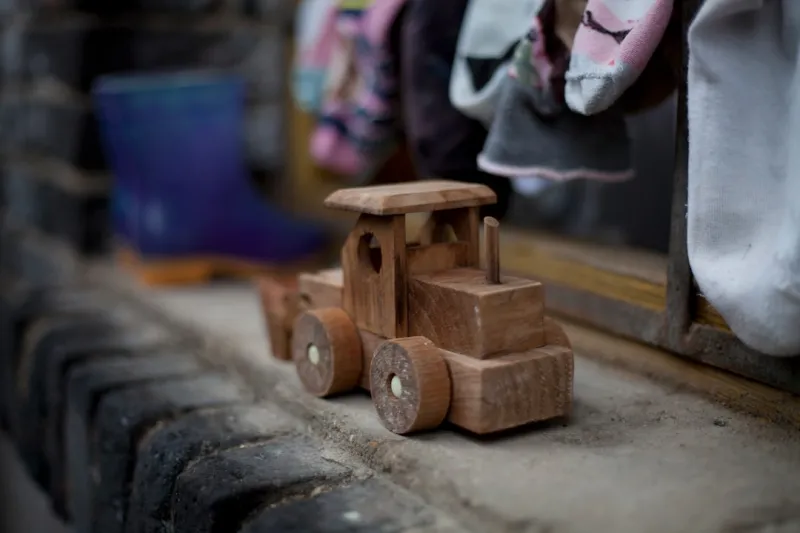
Why 2024 Feels Like the Golden Age of Play
When I was a kid, the thrill of unboxing a new toy was pure magic, and as an adult navigating the ever‑shifting landscape of digital marketing, I still feel that same rush every time I spot the next big thing on the shelves. This year, the convergence of technology, nostalgia, and sustainability has created a perfect storm that’s redefining what “play” means to a whole new generation of kids and collectors alike. From AI‑driven companions that learn your child’s preferences to eco‑friendly wooden blocks sourced from reclaimed forests, the market is buzzing with innovations that promise not only endless fun but also a deeper connection to the values we hold dear. In this post, I’ll share my insider’s view on the trends that are reshaping the toy industry, and how brands can ride this wave to build genuine, lasting relationships with their audiences.
The Rise of Smart Toys: Learning Meets Fun
Smart toys have moved far beyond simple voice‑activated dolls; they’re now sophisticated learning platforms that adapt in real time, offering personalized educational experiences that feel like play. Imagine a plush robot that can read a child’s emotional cues, adjust its storytelling tone, and even suggest new vocabulary based on the conversation—this is the type of interactivity that parents are clamoring for, and it’s driving a surge in demand for AI‑enabled products. What’s fascinating is how these devices are also becoming a playground for marketers, allowing brands to gather anonymized data that informs product development and creates hyper‑targeted campaigns. If you’re curious about how to harness these insights without crossing privacy lines, check out The Social Media Playbook I Swear By in 2024, which outlines a human‑centric approach to data‑driven storytelling.
Retro Revival: Nostalgia as a Growth Engine
There’s a palpable wave of nostalgia sweeping through the toy aisles, and it’s not just about re‑releasing classic action figures or board games; it’s about re‑imagining them for a digitally native audience. Millennials and Gen Z parents are eager to share the toys of their youth with their children, but they also want these items to align with modern standards of safety, sustainability, and interactivity. This has sparked collaborations between legacy brands and indie designers, resulting in limited‑edition runs that feel both familiar and fresh. The key to capitalizing on this trend lies in storytelling that bridges past and present—think behind‑the‑scenes videos that showcase the design process or user‑generated content campaigns where families showcase their own “retro‑reboot” moments. For a deeper dive into leveraging trend storytelling, explore Jimmy Anand’s Insider Look at the Hottest Toy Trends Shaping 2024, which highlights how nostalgia can be a powerful conversion tool.
Eco‑Conscious Play: Sustainability Takes Center Stage
Today’s parents are more environmentally aware than ever, and they expect the toys they purchase to reflect those values. Sustainable materials—recycled plastics, organic cotton, and responsibly sourced wood—are no longer niche; they’re becoming the baseline expectation for new product lines. Brands that invest in transparent supply chains and circular economy models are not just doing good; they’re also earning trust that translates into repeat sales and brand advocacy. Moreover, the rise of “toy take‑back” programs, where manufacturers recycle old toys into new creations, is resonating with a generation that grew up hearing about climate change. Marketers can amplify these efforts by highlighting certifications, sharing impact metrics, and encouraging user‑generated stories about how families are reducing waste—an approach that aligns perfectly with the principles laid out in the Playful Persuasion: The 2024 Toy Trend Playbook.
Hybrid Play Experiences: Blending Physical and Digital Worlds
The line between tangible play and virtual interaction is blurring, giving rise to hybrid experiences that combine the tactile joy of a physical toy with the endless possibilities of digital augmentation. Augmented reality (AR) overlays, QR‑coded adventures, and companion apps are turning simple playsets into interactive ecosystems that keep kids engaged for longer periods. This hybrid model not only extends the product’s lifecycle but also opens up new revenue streams through downloadable content and subscription services. For brands, the challenge lies in creating seamless experiences where the digital layer enhances, rather than distracts from, the core play value. Successful campaigns often involve cross‑platform storytelling, where a child can start an adventure on a cardboard board and continue it on a mobile device—mirroring the omnichannel strategies I discuss in my own Content Creator’s Playbook.
Community‑Driven Innovation: Co‑Creation with Kids
One of the most exciting shifts I’ve observed is the rise of community‑driven product development, where brands invite children and parents to contribute ideas, vote on prototypes, and even co‑design limited‑edition releases. This participatory approach transforms consumers into collaborators, fostering a deep sense of ownership that translates into enthusiastic brand ambassadorship. Platforms that facilitate real‑time feedback—such as interactive polls on social media or dedicated community forums—allow companies to iterate quickly and stay ahead of the trend curve. The payoff is twofold: products that genuinely meet user needs and a loyal community that feels heard and valued. When you empower your audience to shape the future of play, you’re not just selling a toy; you’re cultivating a tribe that will champion your brand for years to come.
Strategic Partnerships: From Influencers to Educational Institutions
Strategic collaborations have become a cornerstone of modern toy marketing, extending reach far beyond traditional retail channels. Influencer partnerships, especially with family‑focused creators who share authentic play moments, can generate massive organic buzz, while alliances with schools and educational nonprofits lend credibility and open doors to curriculum‑aligned product placements. These partnerships should be approached with a clear value proposition—whether it’s offering exclusive content for an influencer’s audience or providing educational kits that align with learning standards. By aligning your brand with trusted voices and institutions, you tap into pre‑existing trust networks, accelerating adoption and reinforcing your commitment to both fun and learning.
Measuring Success: From Play Metrics to ROI
In an era where every interaction can be tracked, the metrics for evaluating toy success have evolved beyond simple sales figures. Brands now monitor engagement depth (time spent interacting with AR features), sentiment analysis from user‑generated content, and even the environmental impact of their product cycles. These data points provide a holistic view of how a toy resonates with its audience and where improvements can be made. However, it’s crucial to balance quantitative insights with qualitative feedback—listening to parent reviews, watching unboxing videos, and observing how children naturally incorporate the toy into their play patterns. By combining these approaches, you can fine‑tune product iterations, optimize marketing spend, and ultimately deliver experiences that delight both kids and the adults buying for them.
Looking Ahead: The Future Playground
As we look toward the next few years, I’m convinced that the future of toys will be defined by three pillars: intelligent adaptability, sustainable responsibility, and community empowerment. Imagine a world where a single toy evolves with a child’s growth, updates its software to introduce new challenges, and recycles its components into fresh creations at the end of its life—all while being co‑created by a global network of young innovators. Brands that embrace this vision will not only stay relevant but also become cultural icons that shape how generations play, learn, and connect. The journey is just beginning, and I’m excited to see how each of us—designers, marketers, parents, and kids—will write the next chapter in the story of play.

Related Posts
The Timeless Magic of Physical Toys in a Screen-Driven World
Physical toys still hold the key to imagination, language growth, and family connection in a digital... Read More
The Subscription Play: How Curated Toy Boxes Are Reshaping Modern Childhood
Subscription toy boxes are more than convenient deliveries—they’re a cultural shift that persona... Read More
The Play Revolution: How Toys Are Redefining Fun and Learning
A deep dive into the evolving toy industry, highlighting smart tech, eco‑friendly designs, inclusi... Read More
Top Posts

Why B2B SaaS Should Bet on Social Stories and Reels for Lead Generation
A practical guide shows B2B SaaS marketers why short‑form vertical stories and reels are the next frontier for lead generation, outlining creative tactics, ta...Read More

Embracing the Evolution of SEO: Strategies for Success in a Changing Landscape
Stay ahead of the curve with the latest SEO trends and strategies. Learn how to optimize your website for mobile, voice search, and more to drive more traffic a...Read More

Real‑Time On‑Page SEO: Turning Every Visit Into a Ranking Signal
Mei Chen shares a fresh, agile approach to on‑page SEO, showing how real‑time user signals, adaptive content blocks, and dynamic schema can transform SaaS p...Read More

Privacy‑First Social Ads for SaaS Brands
In a world where cookies are disappearing and privacy regulations tighten, SaaS advertisers must pivot to first‑party data, contextual placements, and dynamic...Read More
0 Comments
Post Comment
You will need to Login or Register to comment on this post!