
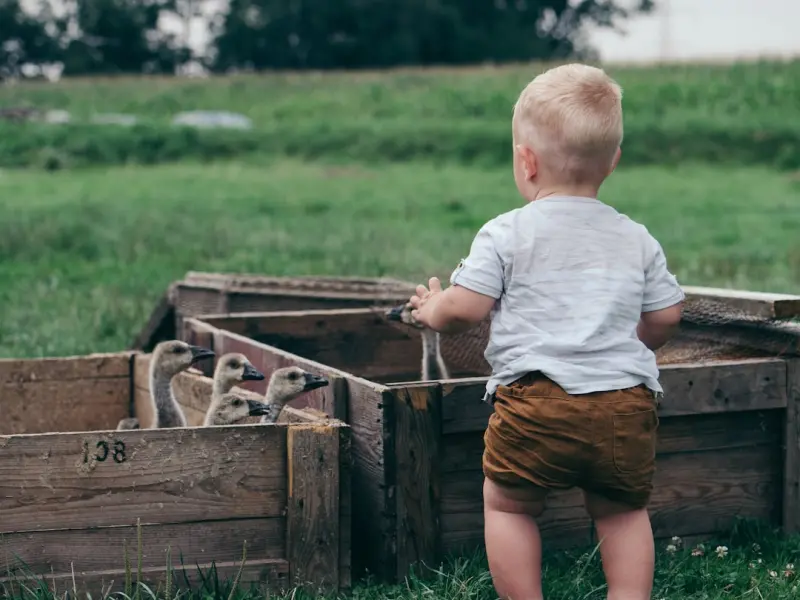
Why Sustainable Toys Matter
When I was a kid, my favorite playthings were a battered wooden train set, a handful of plastic dinosaurs, and a few hand‑stitched dolls my grandma made. Those toys weren’t just objects; they were the catalysts for stories, experiments, and endless curiosity. Today, the toy aisle is a dazzling maze of glittery plastics, electronic buzzes, and clever marketing slogans promising the next big thing. Yet, underneath the sparkle, a quiet revolution is gathering momentum: parents, educators, and designers are demanding toys that are kind to the planet as they are to imagination.
Eco‑Play isn’t a fleeting trend—it’s a cultural shift. It reflects a broader awareness that the choices we make for our children echo far beyond the living room. From the forests where wood is sourced to the factories where plastic is molded, every step of a toy’s lifecycle carries an environmental footprint. By consciously curating a greener toy box, families can nurture creativity while also protecting the ecosystems that will one day become their children’s playgrounds.
From Landfills to Lifelong Memories: The Environmental Cost of Traditional Toys
According to recent studies, the average child in a developed country will own over 600 toys before turning eighteen. The majority of these are made from non‑renewable petroleum‑based plastics that can take centuries to decompose. When a plastic action figure is tossed into the trash, it doesn’t simply vanish; it fragments into micro‑plastics that infiltrate soil, waterways, and eventually the food chain.
Even toys that appear “natural,” such as plush animals filled with synthetic fibers, contribute to the problem. The cotton used for many soft toys is often grown with heavy pesticide use, and the dyes applied to fabric can contain toxic chemicals. The hidden cost isn’t just the material—it’s the energy consumed in production, the carbon emitted in shipping, and the waste generated at the end of a toy’s life.
The Pillars of a Sustainable Toy Collection
Creating a greener playroom isn’t about sacrificing fun; it’s about rethinking the criteria we use to select toys. Below are the four pillars that guide an eco‑friendly toy strategy:
- Material Transparency – Look for toys made from certified organic cotton, FSC‑certified wood, recycled plastics, or plant‑based biopolymers. Brands that disclose sourcing and manufacturing details earn trust.
- Durability & Timeless Design – Toys that can be handed down through generations reduce the churn of “outgrown” items. Simple, modular designs often outlast flashy, single‑use gadgets.
- End‑of‑Life Planning – Choose toys that are recyclable, compostable, or designed for easy disassembly. Some companies even offer take‑back programs or repair services.
- Educational Value – Sustainable toys should still spark curiosity and learning. Whether it’s a wooden puzzle that teaches spatial reasoning or a plant‑based science kit, the goal is to blend eco‑consciousness with developmental benefits.
Spotlight: Materials That Make a Difference
Let’s dive deeper into the materials that are redefining the toy industry:
1. FSC‑Certified Wood
The Forest Stewardship Council (FSC) ensures that wood comes from responsibly managed forests. Wooden blocks, train sets, and stacking toys made from FSC wood not only feel satisfying in a child’s hands but also support sustainable forestry practices that protect biodiversity.
2. Recycled Plastics
Brands are increasingly using post‑consumer recycled (PCR) plastics sourced from ocean waste or discarded bottles. While the material still originates from petroleum, its reuse dramatically cuts down on virgin plastic production and helps clean up our waterways.
3. Biopolymers
Emerging biopolymers derived from corn starch, sugarcane, or algae offer a biodegradable alternative to traditional plastics. These materials can break down under industrial composting conditions, reducing landfill load.
4. Organic Fabrics
Organic cotton, hemp, and linen fabrics are cultivated without synthetic pesticides, making them safer for both the environment and children’s sensitive skin. Look for the GOTS (Global Organic Textile Standard) seal for assurance.
How to Vet a Toy for Sustainability
With a flood of “green” claims on packaging, it’s essential to be an informed consumer. Here’s a quick checklist you can use while browsing:
- Certifications – Verify third‑party labels such as FSC, GOTS, or the Cradle‑to‑Cradle (C2C) certification.
- Supply Chain Transparency – Brands that openly share where their materials come from and how they’re processed demonstrate accountability.
- Longevity – Ask yourself: will this toy grow with my child? Can it be repurposed or handed down?
- End‑of‑Life Options – Does the manufacturer provide a recycling or take‑back program? Are the components easily separable for recycling?
- Impact Stories – Some companies publish impact reports showing how many trees they’ve saved or how much plastic they’ve diverted from oceans.
Building a Circular Toy Wardrobe
One of the most powerful ways to shrink your toy footprint is to adopt a circular approach—think of it as “toy renting” on steroids. Here’s how you can get started:
- Subscription Boxes – Services that deliver a curated set of high‑quality, reusable toys each month and rotate them out when your child outgrows them. This model keeps toys in use longer and reduces the need to buy new items.
- Toy Swaps – Organize neighborhood or online swaps where families exchange gently used toys. It’s a win‑win: fresh toys for the kids and less waste for the planet.
- Second‑hand Marketplaces – Platforms like local classifieds or dedicated eco‑toy resale sites offer a treasure trove of pre‑loved items that still have plenty of play value.
- Repair & Upcycling – Instead of discarding a broken toy, learn simple repair techniques or get creative—turn a cracked wooden train into a decorative puzzle, for example.
These practices not only stretch your budget but also embed a mindset of stewardship in children, teaching them that value isn’t measured by novelty alone.
Case Study: A Green Toy Brand That Gets It Right
Take EcoPlayful, a small startup that started in a garage with a mission to replace plastic action figures with biodegradable, plant‑based alternatives. Their design process is rooted in a “design for disassembly” philosophy: each piece snaps together without adhesives, allowing kids (or parents) to easily take the toy apart for recycling. They also partner with a reforestation NGO—every toy sold funds the planting of a sapling, creating a tangible link between play and planetary restoration.
What sets EcoPlayful apart is transparency. Their website features a live dashboard showing how many toys have been recycled, how many trees have been planted, and the carbon savings achieved. By turning sustainability data into an engaging story, they empower families to feel part of a larger mission.
Integrating Eco‑Play into Everyday Parenting
Transitioning to a sustainable toy box can feel overwhelming, but it’s all about incremental change. Here are practical steps you can weave into your daily routine:
- Audit Your Current Toys – Take stock of what you already have. Donate or recycle items that no longer serve a purpose, and set them aside for upcycling projects.
- Start Small – Replace one type of toy at a time. For instance, swap a plastic stacking set for a wooden one before moving on to plush animals.
- Involve the Kids – Let children help choose new toys based on sustainability criteria. This empowers them to become eco‑champions.
- Make It a Learning Opportunity – Use the story behind each sustainable toy as a teachable moment about forests, oceans, or recycling.
- Celebrate Milestones – Mark each eco‑toy addition with a family “green play day” where you showcase the new item and discuss its impact.
Beyond the Toy Box: The Ripple Effect of Sustainable Play
When families adopt eco‑friendly toys, the benefits ripple outward:
- Industry Pressure – Increased demand forces manufacturers to innovate greener materials and production methods.
- Education System Integration – Schools that receive donations of sustainable toys can incorporate environmental lessons into their curricula.
- Community Building – Toy swaps and subscription services create networks of like‑minded families, fostering shared values and collective action.
- Policy Influence – As consumer demand grows, legislators are more likely to enact regulations limiting single‑use plastics in children’s products.
Future Outlook: What’s Next for Sustainable Toys?
The intersection of technology and sustainability promises exciting possibilities. Imagine toys that are 3D‑printed on demand from recycled filament, eliminating excess inventory and shipping emissions. Or toys embedded with QR codes that link to interactive stories about the ecosystems they represent, turning playtime into an immersive conservation lesson. While these innovations are still emerging, the foundation we lay today—by choosing responsibly sourced, durable, and recyclable toys—will accelerate their adoption.
In the same way that Edge‑First Technical SEO pushes content closer to the user for speed and relevance, sustainable toys bring the ethos of responsibility directly into the hands of the next generation. The faster we embed these values, the stronger the cultural shift toward a circular, low‑impact future.
Conclusion: Play with Purpose
Eco‑Play isn’t a sacrifice; it’s an invitation to re‑imagine what toys can be. By prioritizing materials that respect the planet, choosing designs that stand the test of time, and embracing circular models that keep toys in use longer, we empower children to explore, create, and learn without leaving a heavy footprint behind. The next time you walk down the aisle or scroll through an online catalog, ask yourself: does this toy nurture imagination and protect the world we love? The answer will guide you toward building a greener, more joyful playroom—one sustainable piece at a time.

Related Posts
Rediscovering Play: How Handcrafted Toys Are Shaping Modern Family Life
Handcrafted toys are redefining family playtime, offering sustainable, tactile experiences that fost... Read More

Playful Evolution: How Modern Toys Are Redefining Childhood
Discover the surge of human‑centric toys that go beyond fun, fostering learning, imagination, and ... Read More
Finding the Green Playroom: A Guide to Eco‑Friendly Toys That Delight and Sustain
Explore a step‑by‑step guide to selecting eco‑friendly toys that blend fun, durability, and su... Read More
Top Posts
Interactive Content Hubs: The Next Frontier for SaaS Engagement
Interactive content hubs turn passive readers into active participants, delivering immediate value, rich data, and higher conversions for SaaS brands seeking de...Read More

Empathy‑First WordPress SEO: Turning Users into Loyal Fans
Learn why empathy, not just keywords, is the key to WordPress SEO success. Explore human‑first tactics that improve rankings, user experience, and long‑term...Read More
Micro‑Moments in Content Marketing: Capturing Attention When It Counts
Learn why micro‑moments matter, how to map them, and the tools you need to deliver instant, personalized content that turns fleeting attention into lasting im...Read More

Privacy‑First Social Media Advertising: Winning in a Cookieless World
A practical guide for SaaS marketers on creating privacy‑first social media ads, leveraging first‑party data, contextual creatives, and aggregated measureme...Read More
0 Comments
Post Comment
You will need to Login or Register to comment on this post!