
When I first dug out a dusty wooden train set from my attic, the smell of pine and the click of metal wheels sparked something far deeper than nostalgia—it reminded me how a single, simple toy can ignite an entire universe inside a child’s mind. I watched my niece line up the tracks, inventing bustling cities, daring rescues, and secret tunnels, all without a single instruction booklet dictating the outcome. That moment reaffirmed my belief that imaginative play is the hidden engine powering curiosity, resilience, and lifelong learning, especially in an era saturated with screen‑based distractions.
Research consistently shows that children who engage with open‑ended toys develop stronger creative problem‑solving skills, because they must devise their own rules, test hypotheses, and iterate on their ideas without a preset solution. Unlike digital games that often present a linear path, a set of building blocks or a costume dress‑up kit asks kids to ask “what if?” and then experiment, fail, and try again—all crucial steps in cognitive development. Moreover, these unstructured experiences nurture neural pathways associated with abstract thinking, spatial awareness, and even early math concepts, proving that play is not just fun; it’s foundational brain training.
Designing an Open‑Ended Play Environment
One of the biggest challenges parents face today is balancing the lure of high‑tech gadgets with the timeless magic of tactile toys that encourage hands‑on exploration. I’ve learned that the most effective play spaces are those that are intentionally uncluttered yet stocked with versatile materials—think wooden blocks, fabric scraps, magnetic tiles, and simple art supplies that can be mixed and matched in infinite ways. By providing a variety of textures, colors, and shapes, you empower children to follow their own narratives, whether they’re constructing a castle, staging a puppet show, or inventing a new game on the living room rug.
Equally important is the concept of “play zoning,” where a designated area invites uninterrupted focus while remaining flexible enough to adapt as interests shift. I recommend setting up low shelves within reach, so kids can independently select items, and using clear bins labeled with icons rather than text to promote autonomy for pre‑readers. Adding a comfortable seating nook with cushions invites storytelling and reflective moments, turning the space into a miniature studio where imagination can roam free without constant adult direction.
Parents often wonder how to intervene without stifling creativity; the key lies in gentle scaffolding rather than scripted instruction. Offer open‑ended prompts—“What could this piece become?” or “How might you use this in a new way?”—and then step back, observing how your child navigates the challenge. This subtle guidance nurtures confidence and teaches problem‑solving frameworks while preserving the child’s ownership of the play narrative. It’s a delicate dance of presence and restraint, but the payoff is a generation of thinkers who trust their own ingenuity.
Community, Collaboration, and the Next Wave of Toys
The social dimension of play amplifies its developmental benefits, turning solitary imagination into shared invention. When kids gather for a playdate, they negotiate roles, exchange ideas, and collectively solve the puzzles that arise from merging disparate storylines—skills that echo the collaborative dynamics of modern workplaces. To foster this, I often organize “toy swaps” where families bring a few favorite open‑ended items, creating a rotating library that keeps the play experience fresh and community‑driven. This approach mirrors the principles explored in Micro‑Community Mastery, highlighting how small, focused groups can generate lasting engagement and shared growth.
Looking ahead, the frontier of toys is becoming increasingly multisensory, blending tactile, auditory, and visual elements to deepen immersion and learning. Imagine a set of kinetic sand that changes texture with temperature, or a light‑responsive puzzle that glows when pieces align—these innovations tap into the brain’s natural desire for varied stimuli, reinforcing memory pathways and encouraging exploratory play. The conversation around this evolution is captured in The Multisensory Content Revolution, a trend that promises to transform ordinary playrooms into dynamic learning laboratories.
In the end, the most powerful toys are those that invite children to become the authors of their own stories, to test limits, and to collaborate with peers in ways that feel both natural and exhilarating. By curating environments rich with open‑ended materials, encouraging community‑based play, and staying attuned to emerging multisensory possibilities, we can ensure that the next generation grows up with the confidence to imagine, create, and solve the challenges of tomorrow—one playful moment at a time.

Related Posts
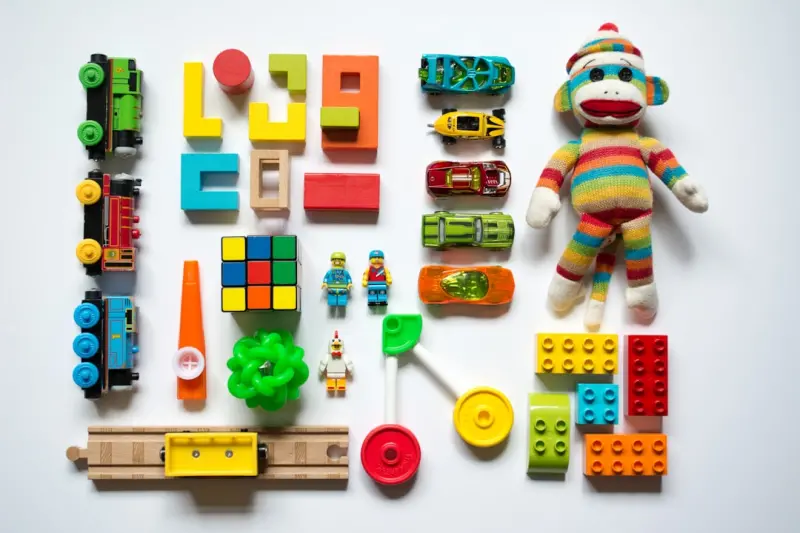
When Toys Get Smart: How AI is Rewriting Playtime
A deep dive into the rise of AI-powered toys, examining their impact on child development, parental ... Read More
Unlocking Adult Imagination: How Story‑Driven Toys Transform Play
Adult play isn’t a relic—story‑driven toys spark imagination, sharpen focus, and bring joy to ... Read More
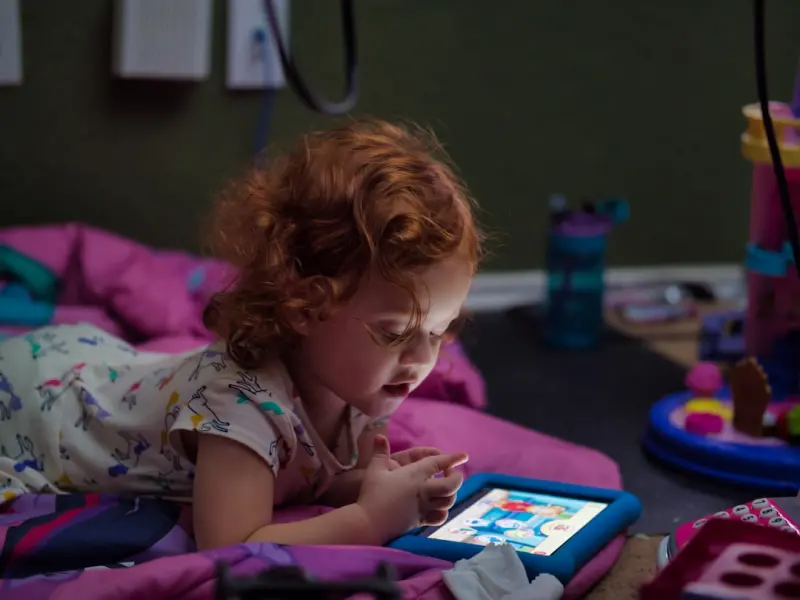
The AI Playbook: How Smart Toys Are Redefining Childhood
Smart toys are evolving from static plastic to AI‑driven companions that learn, adapt, and grow wi... Read More
Top Posts

The Convergence of SEO and Content Marketing: A New Era for Online Success
The lines between SEO and content marketing are blurring. Learn how to combine these powerful disciplines and drive online success with a converged strategy....Read More

Link Building for SaaS: From Trust Signals to Sustainable Growth
A modern link‑building guide for SaaS brands that moves beyond outdated tactics, focusing on relevance, genuine partnerships, and repurposing existing assets ...Read More
Micro‑Content Mastery: Turning Tiny Assets into Big SaaS Wins
Discover how turning short videos, graphics, and snippets into a cohesive micro‑content strategy can amplify SaaS marketing, improve SEO, and accelerate the b...Read More

The Enduring Charm of Open‑Ended Toys in a Screen‑Dominated World
Simple, tactile toys like wooden blocks and fabric scraps continue to nurture creativity, social skills, and resilience, offering a powerful counterbalance to t...Read More
0 Comments
Post Comment
You will need to Login or Register to comment on this post!