
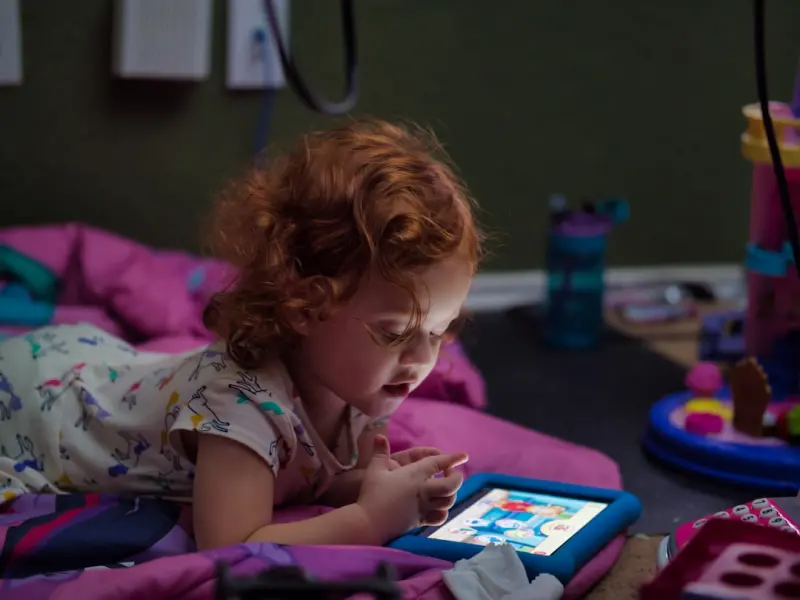
When I was a kid, a toy was something you could hold, toss, and forget when the next shiny thing appeared on the shelf. Today, a toy can whisper back, predict your next move, and even suggest a new game based on the way you play. This seismic shift isn’t just a marketing gimmick; it’s a cultural evolution powered by artificial intelligence, cloud connectivity, and a fresh business mindset that treats playtime like a living service.
Why AI Is Becoming the Playroom’s New Best Friend
Artificial intelligence has moved beyond the realm of chatbots and recommendation engines. In the hands of toy makers, AI becomes a catalyst for empathy, learning, and personalization. Modern smart toys can:
- Recognize speech patterns and respond with age‑appropriate language, fostering early literacy.
- Adapt difficulty levels in real time, ensuring a child stays challenged without feeling frustrated.
- Learn preferences—whether a child prefers building blocks or storytelling—and suggest new play scenarios.
This isn’t science fiction; it’s happening on store shelves now. Companies are embedding tiny micro‑processors, microphones, and even tiny cameras into plush friends, action figures, and building kits. The data they collect (always with parental consent) feeds machine‑learning models that evolve each time the toy is used. The result? A toy that feels less like a static object and more like a responsive companion.
From Static Plastics to Adaptive Companions
The physical side of the revolution is just as exciting as the software. A decade ago, a “smart” toy might have been a simple Bluetooth speaker shaped like a dinosaur. Today, the hardware stack includes:
- Edge AI chips that process voice and motion locally, reducing latency and protecting privacy.
- Modular designs that let kids snap on new sensors or accessories, extending the toy’s lifespan.
- Cloud‑synchronization that lets parents track learning milestones on a secure dashboard.
These advancements mean a child can start with a basic robot and, over months, upgrade it with new limbs, sensors, or software packs. The toy grows alongside the child, turning the traditional “outgrown” narrative on its head.
The Subscription Model: Turning Play into a Service
Imagine a world where the excitement of unboxing a new toy arrives every month, but you never have to hunt through endless aisles. That’s the promise of the subscription‑box model for toys. Companies now curate monthly kits that align with a child’s evolving interests—coding puzzles one month, creative art projects the next—while the core smart toy stays at the center of the experience.
Why does this work?
- Continuous engagement: Regular deliveries keep the brand top‑of‑mind and sustain excitement.
- Data‑driven curation: Using AI insights from how the child interacts with the core toy, the next box is personalized, increasing relevance.
- Eco‑friendly economics: Fewer single‑use items end up in landfills when the same base platform is reused.
While some critics worry about “toys as a service” turning play into a sales funnel, the reality is that families appreciate the convenience, and children love the surprise factor. The model also opens a revenue stream that’s less dependent on one‑off purchases, giving makers the resources to invest in better AI and higher‑quality materials.
Social Media’s Role: Short‑Form Video as the Playground
Kids today discover toys as often through a 15‑second TikTok clip as they do through a store aisle. Parents scroll, see a kid unboxing a “learning robot,” and instantly click “add to cart.” This phenomenon makes short‑form video a crucial marketing channel for any toy brand looking to stay relevant.
Brands that master short‑form video trends can showcase a toy’s personality, demonstrate interactive features, and spark user‑generated content—all within the span of a single swipe. The key is authenticity; overly polished ads feel out of place in a space where raw, playful moments dominate.
Beyond showcasing the product, short videos serve as a feedback loop. When a child’s reaction goes viral, that data point can inform the next software update, ensuring the toy evolves in tandem with cultural moments.
Data Privacy in the Age of Connected Toys
With great connectivity comes great responsibility. Parents are understandably cautious about devices that listen, learn, and transmit data. The industry’s answer is a privacy‑first advertising mindset that starts at the product level.
Key privacy practices include:
- On‑device processing: By handling voice recognition locally, toys minimize data sent to the cloud.
- End‑to‑end encryption: Any data that does need to travel is encrypted, protecting it from interception.
- Transparent consent flows: Parents receive clear, jargon‑free explanations of what is collected and why.
Regulators are tightening rules around children’s data, and forward‑thinking companies see compliance as a competitive advantage. A privacy‑first badge can become a trust signal that differentiates a brand in a crowded marketplace.
The Evolution of Play: From Standalone Gadgets to Ecosystem Experiences
Today’s smart toys are rarely isolated devices. They belong to an ecosystem that includes mobile apps, web dashboards, and even AR/VR overlays. This ecosystem approach unlocks several benefits:
- Cross‑platform continuity: A child can start a puzzle on a physical board, continue it on a tablet, and finish it with a voice‑controlled robot.
- Community building: Online leaderboards and collaborative challenges let kids play with peers worldwide, fostering social skills.
- Long‑term data insights: Brands can track skill development over months, offering parents actionable insights into their child’s growth.
These experiences echo trends seen in other industries—think SaaS platforms that blend mobile, desktop, and API layers—demonstrating that the line between “software” and “toy” is blurring.
Designing for Inclusivity Without the Buzzword “Sustainable”
Inclusivity isn’t a trend; it’s a baseline expectation. Smart toys now incorporate features that make play accessible to children of all abilities:
- Adjustable audio cues for kids with hearing impairments.
- Haptic feedback for those who rely on touch rather than sight.
- Multi‑language support that adapts to bilingual households.
When these features are baked into the AI engine, they become seamless, not add‑ons. The result is a toy that feels natural to every child, regardless of their unique needs.
Future Forecast: The Toys That Will Learn, Adapt, and Grow With Kids
Looking ahead, three emerging trends will shape the next generation of play:
- Generative AI storytelling: Toys will craft custom narratives on the fly, reacting to a child’s emotions and choices.
- Emotion‑recognition sensors: By detecting facial expressions or heart rate, a toy can modulate its behavior to provide comfort or challenge.
- Modular AI cores: Parents could upgrade a toy’s “brain” via a simple plug‑in, extending its relevance well into pre‑teen years.
These possibilities hinge on ethical AI, robust privacy safeguards, and a business model that treats toys as lifelong companions rather than disposable novelties.
Conclusion: Embracing the Intelligent Play Revolution
The toys of tomorrow aren’t just smarter—they’re more human. By listening, learning, and evolving, they become partners in a child’s developmental journey. Brands that invest in AI, respect privacy, and adopt a service‑first mindset will not only capture market share but also reshape how we think about play itself.
For those curious about how the broader toy ecosystem is already shifting, take a look at the evolving toy landscape. While the focus there is on environmental impact, it illustrates how the industry is willing to rethink the very foundations of what a toy can be—a mindset that is now extending into AI, connectivity, and beyond.

Related Posts

Eco‑Friendly Play: How Sustainable Toys Are Redefining Childhood Fun
Sustainable toys are transforming the industry, offering eco‑friendly materials, durable design, a... Read More
From Plastic to Pixels: How Connected Play is Redefining Childhood
A deep dive into the rise of connected toys, revealing how adaptive learning, modular ecosystems, an... Read More
The Timeless Charm of Collectible Toys: A Personal Journey
Collectible toys offer a unique and rewarding hobby that combines creativity, community, and a sense... Read More
Top Posts

Log Files Unleashed: Turning Raw Server Data into Technical SEO Power
Unlock the hidden potential of server logs to optimize crawl budget, fix duplicate content, and future‑proof your site’s technical SEO....Read More

Unlocking Crawl Budget: A Technical SEO Blueprint for Massive Sites
Discover a step‑by‑step guide to managing crawl budget, eliminating waste, and prioritizing high‑value pages for better SEO performance....Read More

From App to Search: Rethinking Mobile SEO for SaaS Platforms
Mobile SEO is essential for SaaS growth. This post outlines why mobile‑first indexing matters, how to accelerate page speed, leverage schema, optimize PWAs, a...Read More

The Future of Content Strategy: Human‑Centric Storytelling in 2024
Laura Wilson reveals how human‑centric storytelling, empathy mapping, and community co‑creation are reshaping content strategy in 2024, delivering authentic...Read More
0 Comments
Post Comment
You will need to Login or Register to comment on this post!