
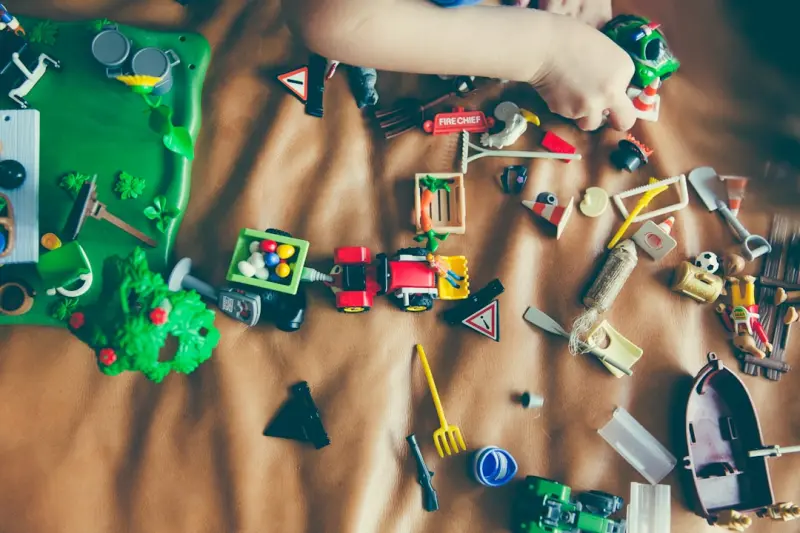
When I first walked into the aisle of a small indie toy shop, I expected to see the usual plastic action figures and bright‑colored building blocks. Instead, I was greeted by a curated collection of wooden puzzles, plant‑based plushies, and kinetic sand that smelled faintly of cedar. It was a quiet revolution, one that has been quietly reshaping how parents, educators, and even tech‑savvy marketers think about play. This isn’t just a fleeting trend; it’s a cultural shift toward sustainable, intentional, and deeply engaging toys.
The Roots of the Sustainable Play Movement
For decades, the toy industry has been driven by a relentless chase for novelty, often at the expense of durability and environmental responsibility. Fast‑fashion toys—cheap, single‑use items designed to capture a momentary craze—have flooded shelves, only to end up in landfills within months. The environmental toll is staggering: it is estimated that over one million tons of plastic toys are produced each year, a figure that dwarfs many other consumer categories.
In recent years, parents have become more conscious of the ecological footprint of the products they bring home. This awareness is not just about recycling or choosing biodegradable materials; it is about re‑thinking the entire lifecycle of a toy—from sourcing raw materials to end‑of‑life disposal. The modern caregiver asks, “Will this toy grow with my child? Can it be repurposed? Does it support development in a meaningful way?” Those questions have birthed a new market segment: eco‑friendly, educational, and multi‑generational toys.
Design Principles That Define Tomorrow’s Toys
- Material Transparency: Brands now disclose the exact composition of their products—whether it’s FSC‑certified wood, organic cotton, or plant‑based plastics. Transparency builds trust and lets consumers make informed decisions.
- Modular Play: Toys are being engineered to evolve. A simple wooden block set can transform into a puzzle, a building system, or even a musical instrument with a few added pieces.
- Longevity Over Novelty: Instead of chasing the next viral gimmick, designers focus on timeless aesthetics and durability, ensuring a toy can be passed down through generations.
- Closed‑Loop Systems: Some companies offer take‑back programs, where worn or broken toys are reclaimed, sanitized, and re‑sold or recycled into new products.
These principles are not just buzzwords; they are the blueprint for brands that want to stay relevant in an increasingly eco‑aware marketplace.
Why Sustainable Toys Matter to Children’s Development
Beyond the environmental impact, sustainable toys often align with developmental best practices. Natural materials provide tactile feedback that plastic cannot replicate, encouraging fine motor skills and sensory exploration. Open‑ended playsets—like wooden train tracks or fabric dollhouses—invite imagination, fostering problem‑solving abilities and social cooperation.
Research indicates that children who engage with unstructured play exhibit higher levels of creativity and emotional regulation. When a child builds a castle from reclaimed cardboard, they are not just assembling a structure; they are learning about spatial reasoning, resourcefulness, and the value of reuse.
From the Playground to the Boardroom: Lessons for Brands
Even if you’re not a toy maker, the sustainable play narrative offers a wealth of insight for any business looking to deepen customer relationships. The same authenticity and purpose‑driven storytelling that resonates with parents can be leveraged in content strategies, product launches, and community building.
Take, for example, the rise of short‑form video content. Brands that showcase the journey of a toy—from raw material to finished product—in a quick, engaging clip can capture attention in the same way short‑form video is reshaping content consumption. By highlighting the craftsmanship, the hands that assemble each piece, and the happy moments of play, marketers can humanize their offerings and forge deeper emotional connections.
Similarly, data‑driven storytelling is gaining traction. Companies that conduct thorough research into consumer preferences, material sourcing, and lifecycle impact can translate those insights into compelling narratives. A well‑crafted case study about how a recycled plastic doll reduces carbon emissions can become a powerful asset in PR and SEO. The process mirrors the principles of research‑first link building, where data fuels credibility and authority.
Spotlight on Brands Leading the Charge
Below are a few pioneers whose approaches exemplify the sustainable play ethos:
- Green Sprouts: Specializes in toys made from 100% organic cotton and natural dyes. Their “Grow‑Your‑Own” garden kits teach kids about plant life cycles while encouraging hands‑on care.
- EarthBlocks: Offers a line of wooden building blocks sourced from reclaimed timber. Each set includes a QR code linking to a digital guide on sustainable forestry.
- RePlay Studios: Focuses on modular kits that can be reconfigured indefinitely. Their take‑back program lets families send back broken pieces for refurbishment.
- EcoSound: Produces musical instruments from bamboo and recycled metal, turning playtime into a lesson about acoustics and sustainable materials.
These brands aren’t just selling toys; they’re selling a philosophy—one that aligns with the values of modern families and the broader push for environmental stewardship.
Practical Tips for Parents and Educators
Choosing sustainable toys can feel overwhelming. Here are actionable steps to simplify the process:
- Read Labels Carefully: Look for certifications such as GOTS (Global Organic Textile Standard) for fabrics or FSC for wood.
- Prioritize Versatility: Opt for toys that can be used in multiple ways or grow with the child.
- Support Local Makers: Small businesses often have transparent supply chains and a stronger commitment to quality.
- Consider End‑of‑Life Options: Check if the brand offers recycling or take‑back services.
- Engage Kids in the Decision: Involve children in choosing toys based on story, material, or potential for creativity. This empowers them to think critically about consumption.
Integrating Sustainable Toys into Early Learning Curricula
Educators are discovering that sustainable toys can be powerful pedagogical tools. A lesson plan might involve:
- Using wooden counting beads to teach numeracy while discussing the source of the wood.
- Creating a class mural from reclaimed fabric scraps, integrating art with lessons on recycling.
- Designing simple engineering challenges with modular building sets, prompting discussions on waste reduction and design thinking.
These activities not only meet educational standards but also instill a sense of responsibility toward the planet.
The Future Landscape: Tech Meets Sustainability
While the core of sustainable play is tactile and physical, technology is beginning to complement the experience. Augmented reality (AR) overlays can provide interactive narratives that explain a toy’s material origins, while IoT‑enabled toys can track usage patterns to suggest repair or repurpose options.
Imagine a wooden robot that, through a simple app, tells the child about the forest where its wood was harvested, the carbon saved by choosing reclaimed material, and even offers DIY repair tutorials. This fusion of digital storytelling with physical sustainability could redefine the play experience for the next generation.
Conclusion: A Playful Path Forward
The surge in sustainable toys is more than a market trend; it is a cultural reawakening that aligns with a broader societal push toward conscious consumption. By choosing toys that respect the planet, nurture creativity, and stand the test of time, we are investing in the next generation’s health—both ecological and developmental.
As parents, educators, and marketers, we have the power to shape the narrative. Whether through thoughtful product design, transparent storytelling, or data‑driven content that highlights the true impact of play, every decision contributes to a brighter, greener future. The toys we select today become the legacy we leave tomorrow—one that whispers, “We cared, we created, we can do better.”

Related Posts

The Enduring Charm of Open‑Ended Toys in a Screen‑Dominated World
Simple, tactile toys like wooden blocks and fabric scraps continue to nurture creativity, social ski... Read More
Miniature Craft Toy Kits: Tiny Joys for Big Stress Relief
Discover the calming power of miniature craft toy kits. From sensory benefits to intergenerational b... Read More
Playtime Reimagined: Sustainable, Smart, and Story‑Driven Toys for the Modern Age
A deep dive into the evolving world of toys, covering sustainability, tech‑infused play, collectib... Read More
Top Posts

SaaS Success Amid Google’s Helpful Content & Freshness Updates
A deep dive into Google’s Helpful Content and Freshness updates reveals actionable steps for SaaS brands to create intent‑first, evergreen content that not ...Read More
Local SEO in the Age of AI: How to Stay Ahead of the Competition
Local SEO is evolving rapidly in the age of AI. Learn how to stay ahead of the competition with expert tips and strategies on content creation, website optimiza...Read More

Why Crawl Budget Matters More Than Ever: A Technical SEO Deep Dive
A deep dive into crawl budget reveals how strategic technical tweaks can free up Googlebot time, boost indexing, and drive sustainable organic growth....Read More

Beyond Text: Mastering Google’s Multimodal Algorithm for SaaS Visibility
Google’s multimodal algorithm blends text, images, video, and voice answers into a single search experience. This guide shows SaaS marketers how to audit, opt...Read More
0 Comments
Post Comment
You will need to Login or Register to comment on this post!