

Why Simple, Open‑Ended Toys Still Capture Kids’ Hearts
When I was a kid, the most prized possessions in my backpack were a handful of wooden blocks, a rubber band, and a crumpled sheet of paper. There were no app updates, no subscription services, and certainly no AI‑powered companions. Yet those modest objects sparked hours of invention, storytelling, and problem‑solving. Fast forward to today’s playgrounds, and you’ll hear a chorus of adults touting the latest tech‑laden gizmo as the “must‑have” for every child. The noise can be deafening, but the truth remains: the simplest toys often deliver the deepest, most lasting impact.
The Science Behind Open‑Ended Play
Researchers in child development have long emphasized the value of open‑ended play—activities that have no predetermined outcome or single “right” way to use the material. When children manipulate a set of unlabeled pieces, they practice decision‑making, hypothesis testing, and iterative refinement—all core components of critical thinking.
Unlike scripted toys that dictate a specific narrative, open‑ended toys act as cognitive scaffolds. They provide just enough structure to spark curiosity while leaving the rest up to the child’s imagination. This balance nurtures:
- Creativity: Kids invent new uses for familiar objects, turning a simple cardboard tube into a telescope, a musical instrument, or a spaceship.
- Social Skills: Collaborative construction projects teach negotiation, turn‑taking, and shared goal‑setting.
- Resilience: When a tower collapses, children learn to troubleshoot and rebuild without frustration.
These benefits are not exclusive to any age group; even adults find value in the tactile satisfaction of building something tangible.
Analog Toys That Stand the Test of Time
Below is a curated list of timeless, analog toys that continue to thrive in households worldwide. Each item is deliberately chosen for its capacity to be reshaped, reimagined, and repurposed again and again.
- Wooden Building Sets: Classic interlocking blocks encourage spatial reasoning and can evolve from simple towers to intricate cities.
- Magnetic Tiles: The click‑and‑hold sensation makes them irresistible, and the possibilities range from geometric puzzles to kinetic sculptures.
- Fabric Dolls and Stuffed Animals: Soft, pliable companions invite role‑play, storytelling, and emotional expression.
- Simple Musical Instruments: A tin can drum or a set of maracas fosters rhythm, coordination, and auditory exploration.
- Recycled Art Kits: A collection of cardboard, bottle caps, and fabric scraps transforms everyday waste into bespoke masterpieces.
These toys are intentionally unspecific, allowing families to layer additional accessories or rules as children grow.
How Open‑Ended Toys Complement Digital Learning
It’s easy to view analog and digital experiences as opposing forces, but they can actually reinforce each other when paired thoughtfully. For example, after a child constructs a bridge from wooden beams, a parent might introduce a simple coding app that simulates traffic flow across that bridge. The physical model grounds the abstract concept, while the digital layer expands the scenario with variables like weather or load capacity.
When integrating tech, keep these principles in mind:
- Purposeful Pairing: Choose a digital tool that deepens the lesson rather than distracts from it.
- Sequential Play: Let the tactile activity come first, establishing a concrete reference point before moving to the screen.
- Reflection Time: After the digital session, encourage the child to recount what they learned and how it relates to the physical model.
This balanced approach maximizes learning retention and prevents screen fatigue.
Designing a Home Play Ecosystem
Creating a space that invites open‑ended exploration doesn’t require a massive budget, just a mindful arrangement. Here’s a step‑by‑step guide to set up a versatile play zone:
- Define a Flexible Area: Choose a corner with a soft rug or foam mat. Keep the space adaptable for floor‑level construction or seated activities.
- Curate a Core Toolkit: Stock the zone with a rotating selection of blocks, fabrics, magnets, and recyclable materials. Store them in clear bins for easy access.
- Introduce “Challenge Cards”: Write simple prompts on index cards—“Build something that can hold water” or “Create a vehicle that moves without wheels.” Rotate the cards weekly to keep ideas fresh.
- Encourage Documentation: Provide a camera or a sketchbook for children to record their creations. This not only preserves memories but also invites iterative design thinking.
- Integrate Quiet Zones: Pair the active area with a cozy nook for reading or reflective play, balancing high‑energy building with calm contemplation.
By deliberately designing the environment, you set the stage for spontaneous invention and sustained engagement.
Parental Involvement: Guiding Without Steering
Many parents feel the pressure to “teach” during play, but the most effective guidance is subtle. Consider these strategies:
- Ask Open Questions: Instead of giving instructions, ask “What do you think will happen if you add another block?”
- Model Curiosity: Demonstrate your own tinkering—fold a paper airplane, then ask your child to improve its flight.
- Celebrate Process Over Product: Praise the effort, the experimentation, and the problem‑solving, not just the final structure.
- Provide a Variety of Materials: Rotate the inventory regularly to sustain interest and challenge.
When children sense that adults value the journey rather than the outcome, they become more willing to take creative risks.
From Playroom to Classroom: Scaling the Philosophy
Educators are increasingly adopting “maker‑center” concepts, where classrooms become laboratories for tactile experimentation. The same principles that work at home can be scaled for larger groups:
- Collaborative Projects: Assign groups to design a city using only recycled materials, then discuss resource allocation and sustainability.
- Cross‑Disciplinary Links: Combine math (measuring dimensions) with storytelling (creating a narrative for a constructed world).
- Reflection Journals: Have students document their design choices and iterate based on peer feedback.
These practices not only boost engagement but also align with modern educational standards that prioritize critical thinking and problem‑solving.
Leveraging Modern Tools to Share the Experience
While the core of this article champions analog play, the digital ecosystem can amplify its reach. For instance, our own modern content workflow enables teams to document, tag, and retrieve play ideas efficiently. Similarly, a flexible website architecture can host a community gallery where families upload photos of their creations, fostering a global exchange of inspiration.
These platforms act as extensions of the playroom, turning local imagination into a shared, living archive of ingenuity.
Future Trends: The Resurgence of Tangible Play
Even as AR/VR technologies advance, market analysts predict a steady rise in demand for tangible, sensory‑rich toys. The reasons are clear:
- Neurodevelopmental Benefits: Physical manipulation stimulates fine motor skills and neural pathways that screens cannot replicate.
- Family Bonding: Shared construction activities create lasting memories and strengthen relational ties.
- Environmental Concerns: Simple, durable toys often have lower carbon footprints than electronic devices with short lifecycles.
Manufacturers are responding with hybrid solutions—kits that combine wooden components with optional QR‑linked narratives, for example. Yet the heart of these innovations remains rooted in the timeless allure of hands‑on discovery.
Conclusion: Embrace the Unscripted
In a world saturated with notifications and algorithm‑driven recommendations, the power of an unscripted, tactile experience is more vital than ever. Open‑ended toys do not just fill idle time; they cultivate a mindset that embraces curiosity, resilience, and collaborative problem‑solving. By curating a play environment that values simplicity, flexibility, and intentional parental involvement, we equip the next generation with tools that transcend the fleeting allure of the latest gadget.
So the next time you’re tempted to splurge on a high‑tech playset, consider reaching for a stack of wooden blocks, a bundle of fabric scraps, or a bag of magnets instead. The magic lies not in the material’s sophistication, but in the limitless possibilities it invites.

Related Posts

The Play‑First Revolution: Why Tangible Toys Are Outpacing Screens
A deep dive into the rising trend of play‑first toys—modular building systems, analog coding kit... Read More
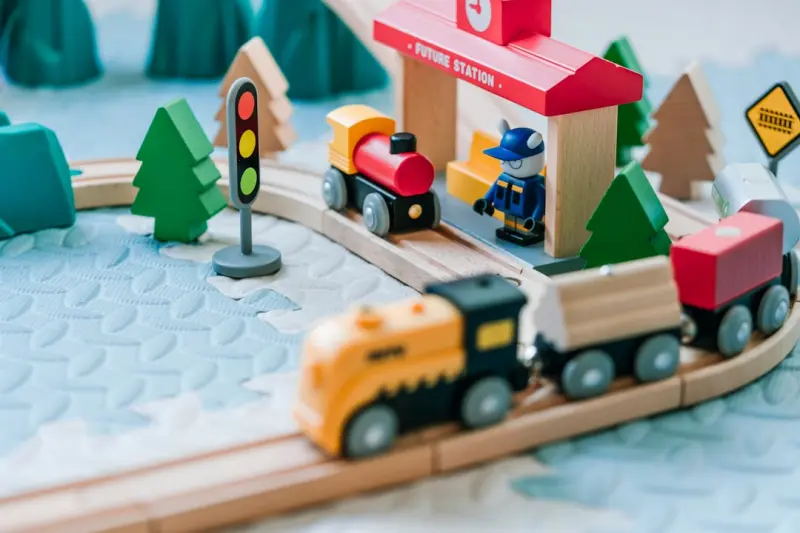
Why Sustainable Toys Are the Next Big Play Trend
A deep dive into the growing demand for sustainable toys, highlighting health benefits, design innov... Read More
The Unexpected Evolution: Smart Toys and the Future of Imaginative Play
Smart toys are reshaping childhood by combining adaptive AI, privacy‑first design, and purposeful ... Read More
Top Posts
Turning Interactive Tools Into Powerful Link Building Engines
Interactive content isn’t just engaging—it's a link‑building powerhouse. Learn how to craft data‑driven calculators, quizzes, and co‑created tools tha...Read More

Micro‑Moments on Mobile: SaaS Growth Hack
The post explains how SaaS marketers can capture high‑intent mobile micro‑moments using structured data, snippet‑ready content, and interactive mobile‑f...Read More

Beyond Likes: A B2B SaaS Playbook for Social Media Strategy That Drives Real Growth
A practical, experiment‑driven social media playbook for B2B SaaS that aligns platforms with the buyer journey, turns community conversations into product ins...Read More

Turning Employees into Social Brand Ambassadors: A SaaS Playbook
Learn a practical, gamified framework for converting your SaaS team into authentic social media advocates—boosting credibility, reach, and qualified leads whi...Read More
0 Comments
Post Comment
You will need to Login or Register to comment on this post!