

When I was a kid, the most coveted treasure in my backyard wasn’t a shiny gadget—it was a set of interlocking bricks that could become anything my imagination demanded. Fast‑forward to today, and the toy aisle is a kaleidoscope of high‑tech marvels, plush companions, and sleek kits promising to turn children into junior engineers. Yet, amidst the buzz of screens and sustainability buzzwords, there’s a quieter revolution gaining traction: toys designed to ignite curiosity, nurture resilience, and bridge the gap between play and purposeful learning without relying on a battery or an app.
Why “Play‑First” Toys Are Making a Comeback
Parents and educators alike are rediscovering the value of play‑first toys—those that invite kids to experiment, iterate, and solve problems through hands‑on interaction. The appeal is simple: these toys foster process‑oriented thinking rather than merely delivering a finished product.
- Open‑ended design: Toys that don’t prescribe a single outcome encourage children to explore multiple solutions.
- Physical feedback: The tactile click of a gear meshing or a snap of a magnetic tile provides immediate, satisfying reinforcement.
- Low barrier to entry: No need for Wi‑Fi, updates, or subscription fees—just a flat surface and a curious mind.
These attributes are why we’re seeing a surge in modular building sets, kinetic puzzles, and analog coding kits that let kids “program” with colored blocks instead of lines of code.
Modular Building Toys: The New LEGO?
While LEGO remains a staple, newer modular systems are pushing the envelope. Companies are introducing pieces that click together with magnetic forces, enabling 3‑D constructions that are both sturdy and easily reconfigurable. What sets them apart is the focus on design thinking—kids start with a challenge, prototype a solution, test its stability, and iterate.
For instance, a recent magnetic construction kit includes:
- Triangular and hexagonal plates for geometric experimentation.
- Transparent connectors that reveal structural integrity.
- Mini‑tools that simulate real‑world engineering equipment.
The result? Children not only build towers but also learn about balance, load distribution, and the science of magnets—all through unstructured play.
Analog Coding: Turning Logic into Tangible Fun
One of the most exciting trends is the rise of analog coding toys. These kits replace screen‑based programming with physical blocks, each representing a command like “move forward” or “turn left.” Kids arrange the blocks in sequence, then activate a simple mechanical rover that follows the instructions.
This tactile approach demystifies abstract concepts:
- Sequencing: Understanding order of operations.
- Conditional logic: Using sensor‑based blocks that trigger actions only under certain conditions.
- Debugging: Spotting where a sequence went wrong and reordering blocks.
Studies show that hands‑on coding improves retention and confidence, especially for children who might feel overwhelmed by traditional screen‑based programming environments.
From Play to Real‑World Skills
What’s remarkable about these toys is their seamless transition from the playroom to real‑world applications. A child who has mastered magnetic construction principles can more easily grasp basic engineering concepts later in school. Likewise, analog coding experiences lay a foundation for computational thinking that benefits future STEM pursuits.
In fact, a recent report highlighted that children who regularly engage with open‑ended construction toys are 30% more likely to pursue STEM subjects in secondary education. This isn’t a coincidence—it’s the power of learning through failure, iteration, and tactile discovery.
Designing for All Ages: The Adult Play Movement
It’s not just kids who are getting in on the action. The adult play movement is gaining steam, with many of these same modular and analog kits being marketed to hobbyists and makers. The psychological benefits are profound: stress reduction, creative problem‑solving, and a renewed sense of wonder.
When I first tried an adult‑focused kinetic puzzle, the satisfaction of aligning moving gears reminded me why I fell in love with toys in the first place—pure, unadulterated joy. Companies are now curating “playful workspaces” where adults can tinker during breaks, boosting productivity and morale.
Balancing Tech and Tangibility
While the tech‑heavy toys continue to dominate headlines—see the augmented reality toys that blend digital overlays with physical pieces—there’s a growing awareness that over‑reliance on screens can dampen the sensory feedback essential for deep learning.
Smart toys certainly have their place, especially when they provide adaptive learning pathways. However, the most successful products are those that augment rather than replace physical interaction, offering a hybrid experience where a tablet might track progress, but the core challenge remains tactile.
Learning From the Sustainable Toy Wave
Even though my focus is on play‑first toys, the sustainable toy movement offers valuable lessons. Consumers now expect transparency, durability, and ethical sourcing. By applying these standards to modular and analog toys—using recycled plastics, responsibly sourced wood, and non‑toxic inks—manufacturers can meet modern expectations while preserving the tactile essence of play.
Inclusivity Beyond Cultural Themes
Inclusion is another pillar that’s reshaping the market. While many brands have championed cultural representation—see the discussion on cultural diversity in toy design—there’s an emerging focus on neurodiversity and sensory accessibility.
Designers are creating:
- Soft, textured blocks for sensory‑seeking children.
- High‑contrast colors for visually impaired kids.
- Adjustable difficulty levels that let children progress at their own pace.
These considerations ensure that the joy of building and experimenting is truly universal.
Practical Tips for Parents and Educators
If you’re curious about integrating these play‑first toys into your home or classroom, here are some actionable steps:
- Start simple: Choose a set with a clear, low entry barrier—magnetic tiles or basic analog coding blocks.
- Set challenges: Pose open‑ended problems (“Build a bridge that can hold a book”) rather than prescribing specific builds.
- Encourage iteration: Celebrate “failed” attempts as learning moments.
- Mix mediums: Pair a physical kit with a light digital component—like a timer app—to track progress without taking over the experience.
- Document the process: Have kids sketch their designs or take photos; reflection solidifies learning.
The Future of Play‑First Toys
Looking ahead, I see a convergence of three forces shaping the next wave of toys:
- Material innovation: Biodegradable polymers and 3‑D‑printed components will make customization affordable.
- AI‑assisted coaching: Voice‑guided suggestions that prompt kids to consider alternative solutions without dictating outcomes.
- Community ecosystems: Online platforms where families share designs, challenges, and modifications—turning a solitary hobby into a collaborative movement.
When these trends align, we’ll have a vibrant playground where imagination, engineering, and community intersect, all while keeping the core joy of physical manipulation at the heart of the experience.
In the end, the most powerful toys are the ones that let children (and adults) become creators, not just consumers. By championing modular, analog, and sensory‑rich designs, we’re ensuring that the next generation learns to build, iterate, and, most importantly, play with purpose.

Related Posts
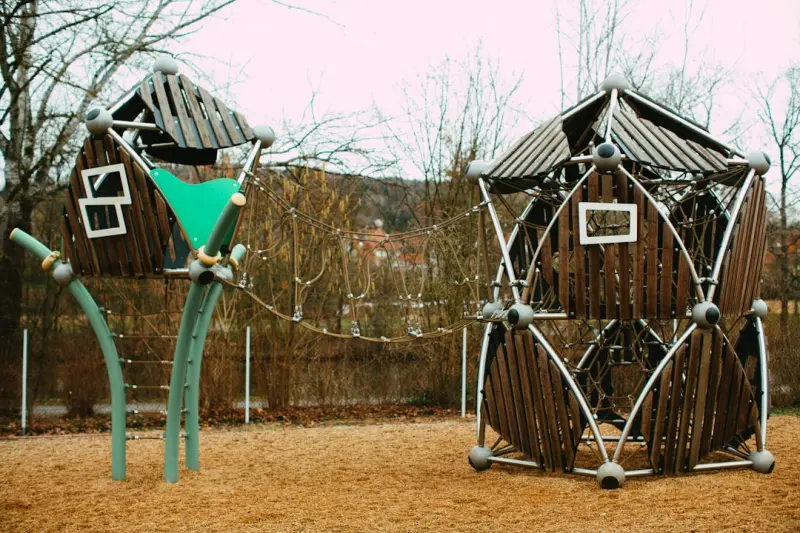
When AR Meets the Playground: How Mixed Reality Is Transforming Toys
Augmented reality is breathing new life into classic toys, turning simple playthings into interactiv... Read More
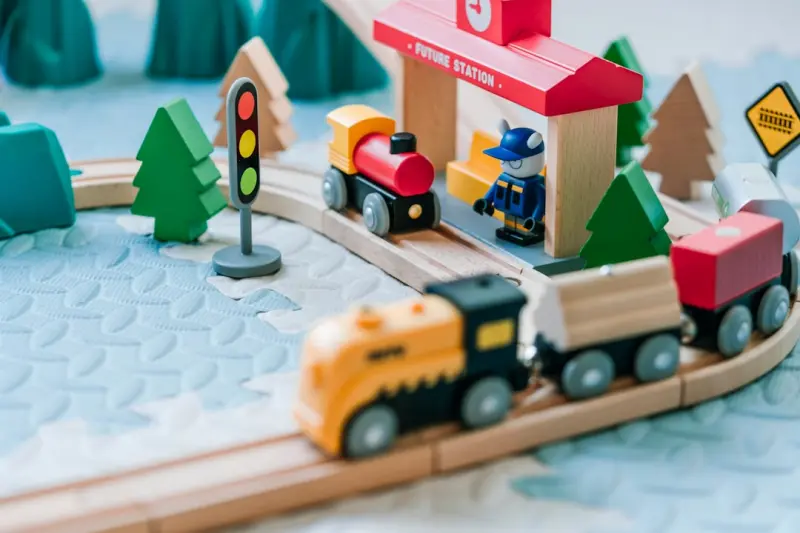
DIY Custom Toys: Reclaiming Playful Creativity for Adults
Discover the surge of DIY custom toys for adults, where modular kits, mental‑health benefits, and ... Read More
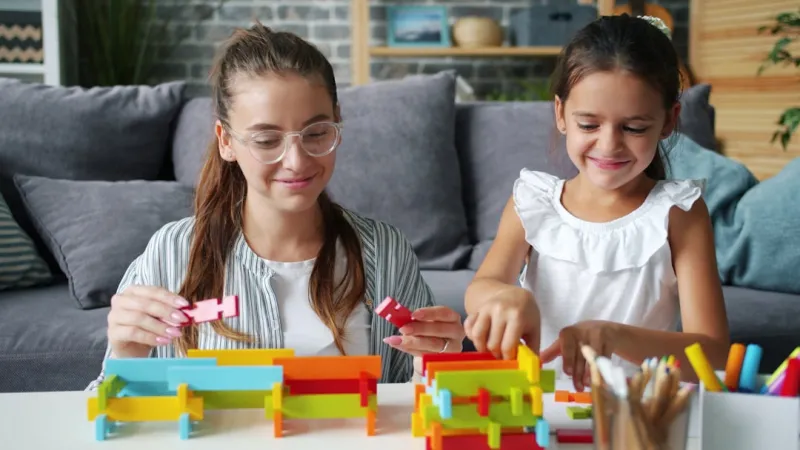
Toy Trends that Will Spark Imagination in 2026
Discover how sustainable materials, smart play, and inclusive design are redefining toys in 2026, fu... Read More
Top Posts

How to Turn Your LinkedIn Profile into a Search Magnet
Learn how to optimize your LinkedIn profile for both internal and Google search, using keyword‑rich summaries, rich media, and community engagement to become ...Read More

Revolutionizing Your Social Media Strategy for Maximum Engagement
Revolutionize your social media strategy with the latest trends and tactics. Learn how to boost engagement, build a loyal community, and drive real results....Read More

Social Audio Advertising: A Fresh B2B Playbook
Social audio platforms like Clubhouse, Twitter Spaces, and LinkedIn Audio Events are reshaping B2B advertising. Learn a step‑by‑step playbook to create auth...Read More

Micro‑Content Mastery: Turning 60‑Second Clips into SaaS Lead Magnets
Learn why bite‑sized video is essential for SaaS marketers, how to craft compelling 60‑second clips, repurpose them across channels, measure ROI, and avoid ...Read More
0 Comments
Post Comment
You will need to Login or Register to comment on this post!