
The Hidden Cost of Plastic Playtime
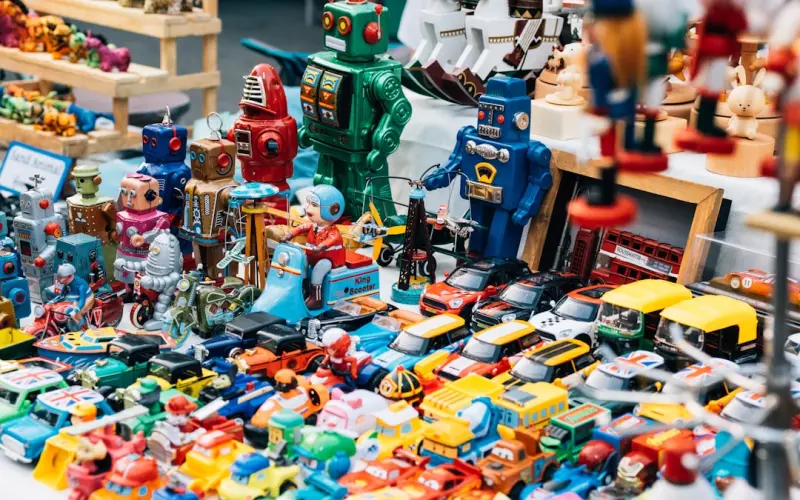
Every time a child drops a plastic action figure or a bright‑colored building block on the floor, a small piece of the planet’s future is left behind. Traditional toy manufacturing has long relied on petroleum‑based plastics, low‑grade metals, and chemically treated fabrics. While these materials deliver the bright colors and durability that parents expect, they also contribute to landfill overflow, ocean micro‑plastics, and a carbon footprint that rivals many industrial processes.
In recent years, the conversation around sustainability has moved from niche eco‑forums into mainstream living rooms. Parents are asking harder questions: Will my child’s toys outlive the plastic they’re made from?Can play be both fun and responsible? The answer is emerging in the form of innovative materials, circular business models, and a new design philosophy that puts the planet back into the playroom.
From Petro‑Plastics to Plant‑Based Polymers
One of the most exciting developments is the rise of bio‑based polymers. Companies are now producing toys from corn‑derived polylactic acid (PLA), sugarcane‑based polyethylene, and even mushroom mycelium composites. These materials break down much faster in industrial composting facilities and, in some cases, can be home‑composted without leaving toxic residues.
Take the example of a popular building‑block set that switched its core bricks to a PLA blend. The blocks retain the same snap‑fit feel, but when they reach the end of their lifecycle, they can be collected and processed into nutrient‑rich compost that supports local agriculture. This closed‑loop approach not only reduces waste but also creates a tangible link between play and food production.
Recycled Ocean Plastics: Turning Waste Into Wonder
Another wave of innovation is the up‑cycling of ocean‑collected plastics. Brands partner with marine‑cleanup organizations to transform stray fishing nets and shoreline debris into high‑quality resin. The resulting toys often feature unique textures and a story that resonates with environmentally conscious families.
Beyond the feel‑good factor, using recycled ocean plastics reduces the demand for virgin petroleum feedstock and helps restore marine ecosystems. When a child assembles a puzzle made from reclaimed marine material, they are literally piecing together a cleaner ocean.
Circular Design: Toys That Come Back Home
Traditional toy ownership follows a linear path: manufacture, purchase, use, discard. Circular design flips that script. Manufacturers now offer “take‑back” programs where customers can return worn‑out toys for refurbishment, component harvesting, or safe recycling.
These programs are often supported by subscription‑style services. Parents receive a curated box of sustainable toys every few months, play with them, and then send them back for a fresh set. This model keeps toys in active use longer, reduces the production of new goods, and gives families access to a rotating library of play experiences.
Consumer Demand Is Shifting Faster Than Ever
Market research shows that millennial and Gen‑Z parents are willing to pay a premium—up to 20 % more—for toys that carry credible sustainability credentials. This willingness is driven by a blend of environmental awareness, desire for healthier materials (free from BPA, phthalates, and heavy metals), and a preference for brands that demonstrate transparency.
Retailers are responding by expanding dedicated “eco‑friendly” sections, and major e‑commerce platforms now feature sustainability filters. The result is a virtuous cycle: higher demand spurs more investment in green material R&D, which in turn broadens the selection of sustainable options on the shelf.
Brands Leading the Sustainable Toy Revolution
Several forward‑thinking companies are already setting benchmarks:
- GreenPlay Labs – Uses 100 % plant‑based polymers and offers a cradle‑to‑cradle take‑back program.
- Oceanic Builders – Crafts building blocks from reclaimed fishing nets, partnering with marine NGOs for impact tracking.
- EcoNest – Produces plush toys from organic cotton dyed with natural pigments, packaged in compostable bags.
These brands are not just marketing “green” labels; they are embedding sustainability into the DNA of their product development cycles. Their success stories are often highlighted in industry case studies, showing how ethical design can coexist with strong sales performance.
How Smart Toys and Digital Play Experiences Fit In
While the spotlight is on material innovation, technology still plays a role in the eco‑toy ecosystem. digital play experiences can extend a toy’s lifespan by adding software updates and new interactive layers without the need for additional physical parts. A wooden puzzle, for instance, can be paired with an app that offers new challenges, keeping the child engaged long after the original game mechanics have been mastered.
Similarly, smart toys equipped with sensors can monitor wear and tear, prompting users to recycle or refurbish when a component reaches the end of its functional life. This data‑driven approach reduces unnecessary waste and encourages a proactive mindset toward product stewardship.
Choosing Sustainable Toys: A Practical Guide for Parents
When navigating the toy aisle, keep these criteria in mind:
- Material Transparency – Look for certifications such as USDA Organic, FSC, or certifications from the Plastics Industry Association indicating recycled content.
- End‑of‑Life Options – Brands that offer take‑back or recycling programs signal a commitment beyond the point of sale.
- Durability Over Gimmick – Choose toys that encourage open‑ended play, as they tend to have longer useful lives.
- Local Production – Toys manufactured closer to home reduce transportation emissions.
- Packaging – Minimalist, recyclable, or compostable packaging further lowers the overall environmental impact.
By asking these questions, parents can align their purchasing decisions with their values without sacrificing quality or fun.
Future Outlook: The Next Generation of Eco‑Play
The sustainable toy movement is still in its early stages, but the trajectory is clear. Advances in bio‑fabrication, such as 3D‑printed biodegradable components, promise on‑demand production that eliminates excess inventory. Meanwhile, blockchain‑based traceability could allow families to scan a QR code and see the exact carbon footprint of each toy, fostering greater accountability.
Education will also play a pivotal role. Schools integrating “green engineering” projects—where kids design toys from recycled materials—are planting the seeds for a generation that views sustainability as a default design principle rather than an afterthought.
Ultimately, the toys of tomorrow will be defined not just by their play value, but by the story they tell about our relationship with the planet. When a child builds a castle from plant‑based blocks, they are learning that imagination and responsibility can coexist, shaping a future where every play session contributes to a healthier Earth.

Related Posts

The Rise of Toy Subscription Boxes: Curated Play Delivered to Your Door
Explore how monthly toy subscription boxes blend surprise, personalization, and sustainability to re... Read More
Why AI‑Powered Toys Are Redefining Playtime for Kids
AI‑driven toys are transforming childhood by delivering personalized, interactive experiences that... Read More

The Rise of Eco‑Conscious Play: How Sustainable Toys Are Shaping the Next Generation
A deep dive into the growing world of eco‑friendly toys, highlighting materials, design, gender‑... Read More
Top Posts

Why Topic Clusters Are the Secret Weapon for WordPress SEO
Learn how to turn a scattered WordPress blog into a powerful SEO hub using topic clusters—pillar pages, focused sub‑posts, and strategic internal linking th...Read More

The Next Wave of Social Media Ads: Hyper‑Personalization Meets Privacy‑First Tactics
Social media advertising is evolving from broad outreach to laser‑focused, privacy‑centric tactics. Learn how hyper‑personalized audience segmentation, sh...Read More

Unlocking Hidden SEO Wins: A Tactical Guide for Modern Websites
Explore fresh SEO strategies that go beyond keywords—focus on user intent, structured data, crawl budget, and content pruning to elevate rankings and authorit...Read More
Why Community‑First Content Beats the Algorithm Every Time
A community‑first approach turns customers into co‑authors, amplifies brand reach, and creates a resilient content engine that thrives even when search algo...Read More
0 Comments
Post Comment
You will need to Login or Register to comment on this post!