

When I was a kid, my favorite treasure was a battered wooden train set that smelled of pine and adventure. It wasn’t flashy, it didn’t beep, and it certainly didn’t require a charger. Yet, it sparked stories that stretched across my backyard, my imagination, and even my early teenage years. Fast‑forward to today’s marketplace, and the shelves are overflowing with plastic, electronics, and glitter‑laden gizmos that promise instant gratification. The paradox is clear: we have more toys than ever, but the deeper, more lasting kind of play is slipping through our fingers.
The Silent Revolution: Toys Built for the Planet
Enter the era of eco‑conscious play. Parents, educators, and even toddlers are demanding toys that respect the earth as much as they respect imagination. Sustainable toys aren’t just a niche fad; they’re a cultural shift driven by three powerful forces:
- Environmental urgency. Climate headlines have moved from distant news to daily conversation. Families now ask, “What’s the carbon footprint of that puzzle?”
- Health awareness. The chemicals in cheap plastics have been linked to allergies and developmental concerns, prompting a move toward natural, non‑toxic materials.
- Value redefinition. Modern consumers measure worth not just in price, but in purpose. A wooden doll that can be handed down for generations carries a story far richer than a battery‑powered robot.
These forces are reshaping supply chains, design philosophies, and even the language we use to talk about play.
From Tree‑Stump to Toy‑Chest: Materials That Matter
Traditional toys have long relied on petroleum‑based plastics, but today’s innovators are reaching for alternatives that are both durable and biodegradable:
- Bamboo. Fast‑growing, renewable, and naturally antibacterial, bamboo is perfect for building blocks, utensils for pretend cooking, and even musical instruments.
- Organic cotton. Soft, breathable, and certified free of harmful pesticides, organic cotton is the go‑to for plush animals and fabric‑based puzzles.
- Recycled ocean plastics. Companies are upcycling waste collected from the seas into colorful building bricks, turning a problem into a playtime solution.
- Plant‑based resins. Derived from corn or sugarcane, these resins mimic the look of traditional plastic without the long‑term environmental toll.
The shift isn’t just about the raw material; it’s about the entire lifecycle. Brands are now offering take‑back programs, encouraging families to return worn‑out toys for refurbishing or recycling. It’s a closed‑loop model that teaches kids early on that everything they use can return to the earth responsibly.
Designing Play for the Mind, Not Just the Moment
Sustainable toys excel when they also champion open‑ended, imaginative play. A well‑designed wooden puzzle doesn’t just fit pieces together; it invites children to explore spatial reasoning, patience, and problem‑solving. The same principle applies to immersive play experiences that blend tactile interaction with narrative depth.
Take the resurgence of handheld toys’ resurgence. While the headline focuses on competition with screens, the underlying truth is that these small, portable objects nurture fine motor skills and personal storytelling—qualities that massive digital ecosystems often overlook. When sustainability pairs with design that encourages curiosity, the result is a toy that grows with the child, evolving from a simple shape sorter to a cherished heirloom.
Gender‑Neutral Play: Breaking the Color Code
Another pillar of the modern toy movement is the dismantling of outdated gender norms. Pink for girls, blue for boys? Those stereotypes are crumbling under the weight of inclusive design. Sustainable brands are leading the charge by offering palettes inspired by nature—earthy greens, warm terracotta, deep sea blues—rather than culturally prescribed colors.
These choices send a powerful message: play is about the child’s interests, not a marketing department’s demographic data. When a child can pick a teal wooden robot or a rust‑colored dinosaur without a gendered label, they feel free to explore a wider range of roles and stories, fostering empathy and flexibility.
Playful Learning: The Pedagogical Edge of Eco‑Toys
Educators are increasingly adopting sustainable toys as classroom tools. The tactile feedback of a wooden abacus, the rhythmic sound of a bamboo xylophone, or the tactile satisfaction of assembling a recycled‑plastic model train can reinforce STEM concepts without the distraction of flashing lights.
Moreover, these toys serve as conversation starters about environmental stewardship. A lesson on the water cycle becomes richer when a child can trace a river’s path using a set of biodegradable river tiles. The synergy between learning and sustainability creates a virtuous loop: kids learn about the planet while they play with pieces that embody that very principle.
Market Momentum: What the Numbers Say
According to a recent industry report, the global market for sustainable toys is projected to grow at a double‑digit compound annual growth rate over the next five years. Investment is pouring into startups that prioritize recycled materials, and legacy brands are retooling factories to meet stricter eco‑standards.
This isn’t just a fleeting trend; it’s a response to consumer demand. Surveys reveal that over 70% of parents are willing to pay a premium—often 10‑20% more—for toys that are safer, longer‑lasting, and environmentally friendly. The payoff for companies is clear: a differentiated brand story and a loyal customer base that values purpose as much as product.
Challenges on the Road to Green Play
Transitioning to sustainable production isn’t without hurdles. Sourcing certified materials can increase costs and extend lead times. Smaller manufacturers may lack the capital to invest in new machinery. Additionally, there’s the persistent myth that eco‑toys are less durable or less “fun.”
To overcome these barriers, collaboration is key. Industry coalitions are forming to share best practices, pool resources, and certify standards that assure parents of quality. Transparency—through QR codes that trace a toy’s material journey—helps build trust and educates consumers about the value of their purchase.
Future Forecast: Tech Meets Tactile in a Green Context
The next wave of sustainable toys will likely blend low‑impact technology with tactile experiences. Imagine a solar‑powered wooden robot that can be programmed via a simple, open‑source app, or an AR‑enhanced cardboard play set that encourages physical construction while offering digital storytelling layers.
These hybrids respect the core principle of eco‑play—hands‑on interaction—while acknowledging that children today are digital natives. The challenge for designers will be to ensure that technology amplifies, rather than replaces, the tactile joy of traditional toys.
Practical Tips for Parents Who Want to Make the Switch
- Start Small. Replace one plastic toy a month with a sustainably sourced alternative. Watch how your child engages differently.
- Read Labels. Look for certifications like FSC (Forest Stewardship Council) for wood or GOTS (Global Organic Textile Standard) for fabrics.
- Choose Timeless Designs. Opt for classic shapes—blocks, stacking rings, simple puzzles—that can grow with your child’s abilities.
- Support Local Artisans. Small workshops often produce handcrafted toys with minimal carbon footprints.
- Teach the Story. Share with your child where the toy came from and why it matters. This turns play into a lesson in stewardship.
Conclusion: Play That Leaves a Positive Imprint
We stand at a crossroads where play can either accelerate the planet’s decline or become a catalyst for change. By choosing toys that honor the environment, we teach the next generation that every action—no matter how small—has a ripple effect. The wooden train set I once cherished may have been simple, but its legacy lives on in today’s sustainable play movement. It’s up to us to keep that legacy moving forward, one mindful, joyful, and green toy at a time.

Related Posts

Why Sustainable Toys Are the Future of Play
Sustainable toys aren’t just a trend—they’re a movement. From reclaimed wood blocks to biodegr... Read More
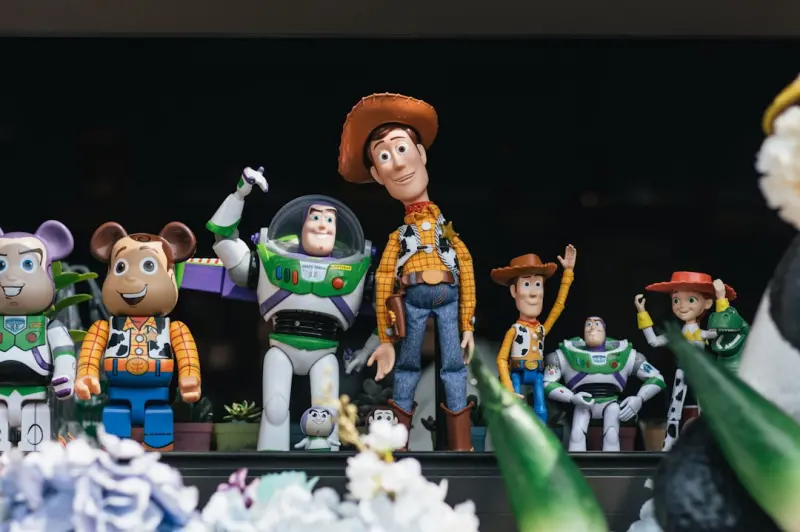
Why Cultural Diversity Is the New Frontier in Toy Design
A deep dive into why genuine cultural representation in toys matters, how brands can co‑create wit... Read More
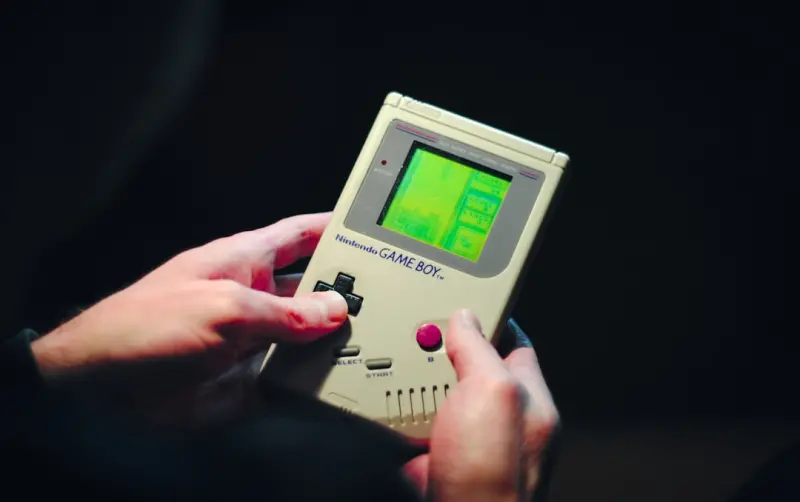
Why Handheld Toys Are Winning the Battle Against Screens
Physical toys are experiencing a strong comeback as parents and kids alike seek hands‑on experienc... Read More
Top Posts

Co‑Creating Authority: Turning Customers into Content Partners
Learn how to shift from solo thought leadership to collaborative content creation with customers, leveraging interviews, podcasts, and emerging formats to build...Read More
The Evolution of Link Building: A Comprehensive Guide to Staying Ahead
Link building has evolved significantly over the years. Learn how to create high-quality content that attracts natural backlinks and improves your website's aut...Read More

Scale SaaS Content with Real‑Time Collaboration
Real‑time collaboration tools empower SaaS teams to co‑author, edit, and publish content instantly, accelerating workflows, improving quality, and driving m...Read More
Ethical AI‑Enhanced Content Strategy: Balancing Automation with Authenticity
Learn to integrate AI responsibly into your content workflow, ensuring automation enhances rather than erodes authenticity, and build a strategy that respects b...Read More
0 Comments
Post Comment
You will need to Login or Register to comment on this post!