
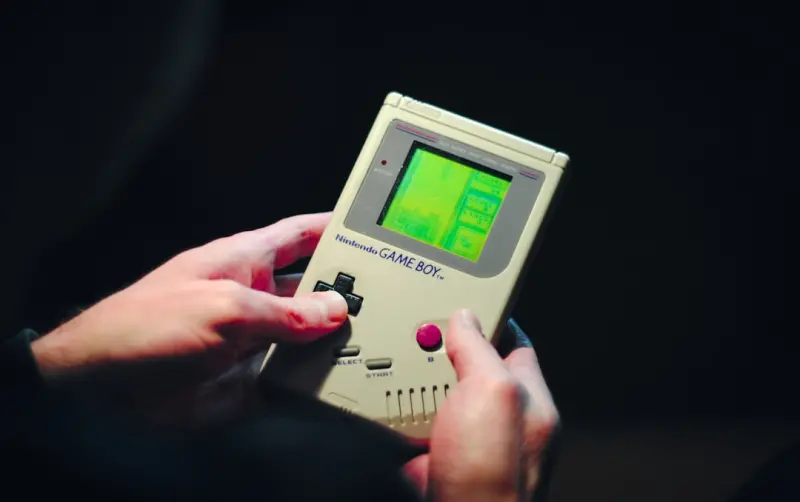
In a world where tablets, smartphones, and endless streams of digital content dominate childhood, something unexpected is happening on living‑room floors and kitchen tables: physical toys are making a loud, tactile comeback. Parents are swapping screen time for wooden blocks, kids are trading virtual coins for real‑world puzzles, and even seasoned marketers are taking note of the shifting play paradigm. This isn’t a nostalgic fling; it’s a measurable trend backed by research, sales data, and a deeper cultural yearning for hands‑on experiences.
The Data Behind the Playful Pivot
Recent market analyses reveal that sales of traditional, non‑electronic toys have risen double‑digit percentages year over year, outpacing many categories of digital entertainment. Retail giants report that wooden toys, board games, and craft kits are moving off the clearance shelves and onto the bestseller lists. Moreover, consumer surveys highlight that 68% of parents actively limit screen exposure for their children, citing concerns over attention span, social development, and eye health.
Why Tactile Play Wins Over Pixels
Neuro‑developmental benefits sit at the heart of the analog resurgence. When children manipulate physical objects, they engage fine motor skills, spatial reasoning, and problem‑solving abilities in ways that passive screen consumption simply cannot match. The brain’s somatosensory cortex lights up with each click of a puzzle piece or the snap of a building block, forging neural pathways that reinforce learning.
Beyond the brain, emotional connection plays a crucial role. Physical toys carry a sense of permanence; they can be handed down through generations, become heirlooms, and embed stories that evolve with each play session. This storytelling element—where a toy becomes a character in a child’s narrative—creates a depth of engagement that digital avatars often lack.
From Counter‑Culture to Mainstream: The Journey of Analog Play
The analog revival began as a niche response among parents tired of the “digital fatigue” epidemic. Early adopters championed minimalist playrooms filled with natural materials, sparking a wave of boutique brands that emphasized sustainability, craftsmanship, and open‑ended creativity. As word spread, larger manufacturers took notice, launching lines that blended classic designs with modern aesthetics.
Social media amplified this shift. Hashtags like #UnpluggedPlay and #AnalogKids trended across platforms, showcasing families building forts from cardboard, crafting jewelry from beads, and solving wooden mazes together. Influencers shared unboxing videos of simple, yet beautifully designed toys, proving that “less is more” can be a compelling selling point.
Design Principles Driving the New Wave of Physical Toys
Successful analog toys share several core design philosophies:
- Simplicity with depth: A set of wooden gears may look simple, but it invites endless mechanical experiments.
- Open‑endedness: Toys that don’t dictate a single outcome—like magnetic tiles—allow children to imagine countless scenarios.
- Material integrity: Sustainable woods, recycled plastics, and natural fabrics resonate with eco‑conscious families.
- Multi‑sensory appeal: Textured surfaces, audible clicks, and vibrant colors engage more senses, reinforcing memory.
Eco‑Friendly Materials: The Green Backbone of Modern Play
While sustainability isn’t new to the toy industry, it has become a decisive factor for today’s consumers. Brands sourcing FSC‑certified wood, using soy‑based inks, or incorporating reclaimed fabrics not only reduce environmental impact but also tell a story that parents love to share.
These green credentials translate into marketing gold. When a toy’s packaging highlights its carbon‑neutral production or biodegradable components, it taps into the same consumer psychology that drives the success of curated toy boxes—a sense of purposeful purchase.
The Role of Community and Storytelling
Physical toys thrive on community. Parents gather in playgroups, schools host “maker days,” and online forums exchange DIY modifications. This communal aspect mirrors the principles found in interactive storytelling strategies used by brands across sectors. By fostering user‑generated content—photos of children’s creations, videos of collaborative builds—companies amplify reach without heavy advertising spend.
In fact, the most viral analog toy campaigns are those that invite users to co‑create the narrative. A simple wooden dollhouse becomes a stage for families to film mini‑dramas, while a set of magnetic tiles transforms into architectural showcases on Instagram. This user‑driven storytelling fuels both brand loyalty and organic discovery.
Bridging the Physical and Digital: Hybrid Play Experiences
Although the trend celebrates unplugged moments, many brands recognize the value of a seamless bridge between the tactile and the digital. Hybrid toys embed QR codes that unlock augmented reality (AR) tutorials, or companion apps that track progress without pulling the child away from the physical activity.
One innovative example is a puzzle set that, when completed, triggers a voice‑assistant prompt delivering a fun fact about the illustrated scene. This subtle integration of technology enhances learning while keeping the focus on the hands‑on experience—an approach reminiscent of voice‑activated learning tools in education.
Retail Strategies for the Analog Resurgence
Retailers can capitalize on this momentum by curating dedicated “hands‑on” sections in stores, offering live demo stations, and training staff to articulate the developmental benefits of tactile play. In e‑commerce, high‑resolution product photography, 360‑degree views, and detailed material descriptions help replicate the tactile assessment online.
Bundling strategies also work well. Pairing a classic wooden train set with a themed storybook, or offering a craft kit alongside a downloadable project guide, adds perceived value and encourages repeat purchases. Subscription models—though already explored—can be refreshed by focusing on seasonal, theme‑based analog kits that surprise and delight.
Challenges and Considerations
Despite the optimism, the analog shift faces hurdles. Manufacturing costs for sustainable materials can be higher, and supply chain disruptions may affect inventory. Additionally, some parents still perceive digital toys as essential for preparing children for a tech‑centric future.
To address these concerns, brands should emphasize how physical play complements digital literacy, not competes with it. Educational messaging that showcases studies linking tactile experiences to improved STEM readiness can alleviate skepticism.
Future Outlook: What’s Next for Physical Toys?
Looking ahead, expect to see greater personalization—custom‑molded wooden figures, modular kits tailored to a child’s skill level, and AI‑informed design suggestions that adapt to play patterns. While the core of the trend remains rooted in simplicity, the surrounding ecosystem will become increasingly sophisticated, blending data insights with timeless playfulness.
Ultimately, the resurgence of analog toys isn’t a fleeting fad; it’s a response to a deeper human need for connection, creativity, and concrete experiences. Brands that listen, innovate responsibly, and champion the joy of hands‑on play will not only capture market share but also help shape a generation that values both the digital and the tangible.

Related Posts

When AI Meets Play: The Rise of Personalized Toy Companions
AI‑enhanced toys are transforming play by offering dynamic interaction, tailored content, and grow... Read More
When Toys Get Smart: AI‑Powered Play for Curious Kids
Discover how AI-powered toys transform playtime into personalized learning experiences, balancing te... Read More

Eco‑Friendly Play: How Sustainable Toys Are Redefining Childhood Fun
Sustainable toys are transforming the industry, offering eco‑friendly materials, durable design, a... Read More
Top Posts

Story‑First Ads: Turning Social Media Campaigns into Mini‑Narratives for SaaS
A story‑first mindset transforms fragmented ad experiences into cohesive narratives, driving deeper engagement and higher conversions for SaaS products across...Read More

Unlocking Hidden Local Traffic: Structured Data and Community Partnerships for SaaS
Learn to combine schema markup with strategic community partnerships to dominate local search results, increase click‑through rates, and attract location‑ba...Read More

Why On‑Page SEO Should Feel Like a Conversion Funnel
A fresh take on on‑page SEO: treat each page as a funnel that aligns keyword intent, content depth, visual design, internal linking, and CTAs to guide users f...Read More

Harvesting Real‑World Wins: A SaaS Content Roadmap
A step‑by‑step guide shows how to mine real‑world customer victories, transform them into multi‑format assets, and weave them into a cohesive content st...Read More
0 Comments
Post Comment
You will need to Login or Register to comment on this post!