
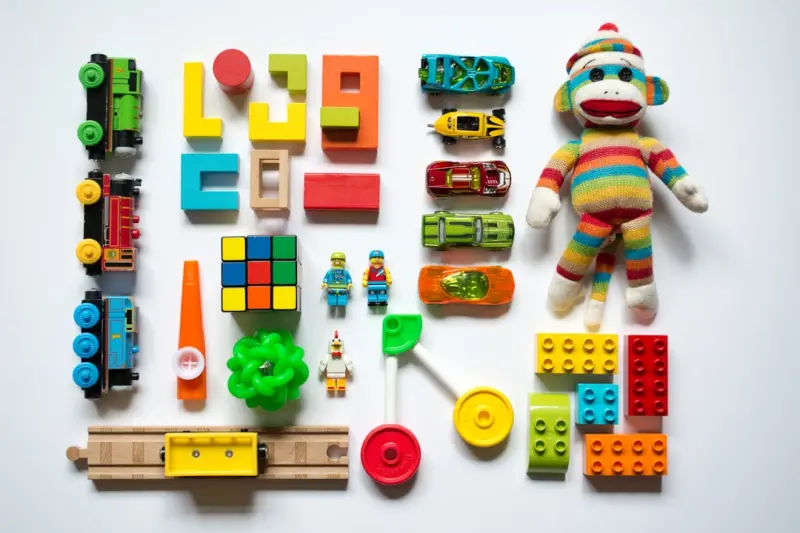
When Toys Get Smart: How AI is Redefining Playtime for the Next Generation
As someone who grew up trading baseball cards in the schoolyard and now watches my niece stare in awe at a robot that can answer her “why” questions, I’ve learned that the definition of a toy is constantly evolving. It’s no longer just a piece of plastic or wood; it’s an experience that learns, adapts, and even grows alongside the child. In this post, I’m diving deep into the world of AI‑powered toys—what they are, why they matter, and how they’re shaping the future of play.
From Static Objects to Adaptive Companions
Remember the first time you turned a crank and a toy car sputtered forward? That moment of cause and effect was the magic of early play. Today, that magic is amplified by artificial intelligence. Modern AI toys aren’t just reactive; they’re predictive. They listen, analyze, and respond in ways that feel almost human.
Take interactive storytelling dolls that ask a child what kind of adventure they want to hear, then weave a narrative that incorporates the child’s name, favorite colors, and even recent school events. Or consider programmable building blocks that suggest new structures based on the child’s previous creations, nudging them toward concepts like symmetry, balance, and basic engineering principles.
These toys are built on three core pillars:
- Perception: Microphones, cameras, and touch sensors collect data about the child’s environment and behavior.
- Understanding: On‑device or cloud‑based AI models interpret that data, identifying patterns and preferences.
- Response: The toy then tailors its actions—whether that’s changing a game’s difficulty, offering new story arcs, or simply laughing at a joke.
Why Parents Are Embracing AI Toys (And What Skeptics Need to Hear)
There’s a natural wariness when technology sneaks into something as intimate as childhood. I’ve heard the same concerns from fellow parents: “Will my kid become too dependent on a screen?” or “Is this data collection safe?” The good news is that many AI toy manufacturers are addressing these fears head‑on.
First, privacy‑by‑design is becoming a non‑negotiable standard. Data is often processed locally on the device, with any cloud communication encrypted and anonymized. Second, many toys come with parental dashboards that let caregivers set limits on interaction time, monitor learning milestones, and even turn off the AI engine altogether.
And let’s not forget the educational payoff. Studies from early‑learning labs show that children who engage with adaptive toys develop stronger problem‑solving skills and exhibit higher curiosity levels. The toys act as a scaffold, offering just enough challenge to keep kids in that sweet spot of “I can’t do it yet, but I’m almost there.”
Case Study: The Rise of the “StoryBuddy” Robot
One standout example is the StoryBuddy robot, a plush companion that blends storytelling with gamified learning. When I first tried it with my niece, I was amazed at how quickly it adapted. She started by picking simple story elements—like “a dragon” and “a forest.” By the fifth interaction, StoryBuddy was asking her to add a problem for the hero to solve, subtly introducing narrative structure concepts.
What’s more, the robot tracks progress in a private log, rewarding milestones with digital stickers that can be printed onto physical stickers—a delightful bridge between the digital and tactile worlds. It’s a perfect illustration of how AI toys can gamify learning without feeling like a chore.
Design Lessons from the SaaS World (Yes, They Apply to Toys!)
Having spent years writing about SaaS product experiences, I can’t help but notice the parallels between building a successful software platform and crafting an AI‑driven toy. Both require a deep understanding of user journeys, clear feedback loops, and a relentless focus on delivering value at each interaction point.
For instance, the concept of a content experience blueprint in SaaS translates to a “play experience map” for toys. Designers chart out moments where a child might feel confused, bored, or triumphant, then embed AI triggers that respond appropriately—much like an onboarding flow that nudges a new user toward key features.
Similarly, the idea of “gamifying link building” can be flipped: instead of turning backlinks into authority, we turn learning milestones into badges that motivate kids to explore new concepts. The underlying psychology is the same—leveraging reward systems to reinforce desirable behavior.
Balancing the Physical and the Digital
While AI brings unprecedented interactivity, the tactile joy of a physical toy remains irreplaceable. The most successful AI toys blend both realms. Think of a set of smart building blocks that snap together like traditional bricks but light up, vibrate, or emit sounds when a child builds a specific shape. The AI component recognizes the structure and offers suggestions for enhancements, turning a simple act of stacking into a dynamic lesson on geometry.
Manufacturers are also experimenting with augmented reality (AR) overlays. A child might point a tablet at a cardboard puzzle, and the screen will animate the completed picture, adding characters that interact with the physical pieces. This hybrid approach respects the child’s need for tangible play while enriching it with digital depth.
The Future: AI Toys as Early STEAM Mentors
Looking ahead, I see AI toys evolving into personalized STEAM (Science, Technology, Engineering, Arts, Mathematics) mentors. Imagine a plush companion that, after weeks of conversation, can suggest simple experiments—like making a volcano with baking soda—and guide the child through the steps, adjusting explanations based on the child’s age and prior knowledge.
These mentors could also act as gateways to more advanced coding concepts. A robot that teaches basic block‑based programming by allowing kids to sequence its actions can lay the groundwork for later, text‑based coding. The AI would gradually increase complexity, ensuring that each new skill feels achievable.
Potential Pitfalls and How to Navigate Them
Even the most innovative technology comes with challenges. Here are a few considerations for parents, educators, and developers:
- Over‑reliance on AI: Children still need unstructured, free play. Encourage “offline” moments where imagination runs without prompts.
- Data Ethics: Choose brands that are transparent about data handling, and regularly review privacy settings.
- Longevity: Some AI toys become obsolete as software updates cease. Look for devices with open ecosystems or community‑driven updates.
- Cost vs. Value: High‑tech toys can be pricey. Consider rental or subscription models that let families rotate toys without a massive upfront investment.
Practical Tips for Parents Ready to Dive In
If you’re intrigued but unsure where to start, here are three actionable steps:
- Do Your Homework: Research the brand’s privacy policy, read user reviews, and check if the toy has a parental control app.
- Start Small: Begin with a single AI‑enabled toy that aligns with your child’s interests—be it storytelling, building, or music.
- Integrate, Don’t Replace: Use the AI toy as a supplement to traditional play. For example, after a session with a smart robot, let your child draw the story they just experienced.
Conclusion: Embracing the Smart Play Revolution
AI toys are more than a fleeting trend; they’re a shift toward responsive and personalized play that mirrors how we interact with the world as adults. By thoughtfully integrating these companions into a child’s routine, we can nurture curiosity, foster resilience, and lay a foundation for lifelong learning.
As a mother, an educator, and a lifelong learner, I’m excited to watch this space evolve. The key is to stay informed, set healthy boundaries, and celebrate the moments when a robot’s laugh or a glowing block sparks a child’s imagination.

Related Posts
Analog Play Revival: Sustainable, DIY, and Subscription Toys Redefining Childhood
Parents and kids are rediscovering analog, eco‑friendly, and subscription-based toys, driving a sh... Read More
When Toys Get Smart: How AI is Rewriting Playtime
A deep dive into the rise of AI-powered toys, examining their impact on child development, parental ... Read More
The Secret Power of Subscription Toy Boxes: Turning Play into a Family Growth Engine
Explore why subscription toy boxes are more than just monthly surprises—they’re a strategic tool... Read More
Top Posts

Local SEO for SaaS: Turning Physical Touchpoints Into Search Engines
Discover a practical, data‑focused approach to local SEO for SaaS businesses, covering profile optimization, schema, community citations, and performance metr...Read More

Why Semantic HTML Is the Unsung Hero of On‑Page SEO for SaaS
Semantic HTML gives search engines a clear roadmap of your content, unlocking richer SERP features, faster indexing, and better user experience—essential for ...Read More

The LinkedIn Profile Optimization Blueprint That Drives Organic Leads
Discover a step‑by‑step LinkedIn SEO strategy that goes beyond hashtags, leveraging profile keywords, rich media, employee sharing, and LinkedIn groups to g...Read More

Turning Employees into Content Champions: A Fresh Playbook for SaaS
Discover how to harness internal expertise through structured sprints, toolkits, and measurable KPIs, turning every employee into a powerful content advocate fo...Read More
0 Comments
Post Comment
You will need to Login or Register to comment on this post!