
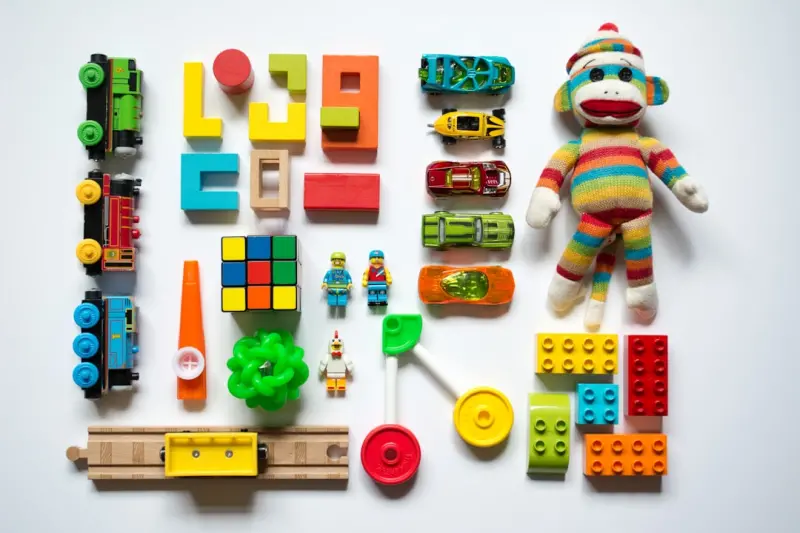
Why Sustainable Toys Matter
Parents today are juggling a growing list of concerns—from climate anxiety to the health implications of plastic exposure—yet the toy aisle often feels stuck in a bygone era of disposable plastics and cheap thrills. Choosing toys that are built to last, made from renewable materials, and designed for open‑ended play not only reduces landfill waste but also plants the seeds of environmental stewardship in the next generation, turning playtime into a subtle lesson in responsibility.
The Materials Revolution: From Bamboo to Bioplastics
In the past decade, manufacturers have begun swapping traditional petroleum‑based plastics for bamboo, recycled wood, and innovative bioplastic composites that decompose harmlessly after their useful life, and the market now offers everything from sturdy building blocks to plush animals crafted from organic cotton. This shift isn’t merely a marketing gimmick; lifecycle analyses show that bioplastic toys can cut carbon emissions by up to 70 % compared to their conventional counterparts, a statistic that resonates with eco‑conscious families looking for tangible ways to lower their household footprint.
Design That Grows With the Child
One of the most exciting trends is the emergence of modular toy systems that evolve alongside a child’s developmental stages, allowing parents to add new components rather than replace entire sets, and this “grow‑with‑me” philosophy dovetails perfectly with sustainability goals. Brands are releasing magnetic construction kits, interlocking wooden puzzles, and adjustable dolls that can be re‑skinned with different outfits, ensuring that a single purchase can provide years of engagement without the need for constant upgrades.
Playful Learning Meets Environmental Ethics
When toys are intentionally designed to teach concepts like recycling, renewable energy, and biodiversity, they become powerful tools for early education, and studies have shown that children who engage with such toys develop a stronger intrinsic motivation to protect the planet as they mature. By embedding simple narratives—like a plush bear who “recycles” his forest home or a solar‑powered robot that lights up when placed in sunlight—manufacturers are turning abstract environmental principles into concrete, memorable experiences.
Community‑Driven Toy Swaps and Rental Models
Beyond purchasing, many neighborhoods are embracing toy‑swap events and subscription‑based rental services that let families circulate high‑quality toys without the waste of ownership, and these community‑centric models foster social connections while dramatically extending the useful life of each item. Platforms that facilitate peer‑to‑peer exchanges often incorporate hygiene protocols and rating systems, creating a trusted ecosystem where parents feel comfortable sharing beloved playthings with other households.
Impact on the Toy Industry’s Supply Chain
The surge in demand for eco‑friendly products has forced manufacturers to reexamine every step of their supply chain—from sourcing sustainably harvested wood in certified forests to partnering with factories powered by renewable energy, and these changes are reshaping industry standards worldwide. Companies that can transparently document their sourcing practices are gaining a competitive edge, as modern shoppers increasingly seek out brands that can back their green claims with verifiable data.
How Parents Can Vet Green Claims
With “green” marketing on the rise, it’s essential for caregivers to look for third‑party certifications such as FSC, GOTS, or the Global Recycle Standard, and to scrutinize product labels for terms like “biodegradable” or “recycled content” that are backed by clear percentages and testing results. A quick online search can reveal whether a brand’s sustainability story aligns with reputable environmental NGOs, and savvy shoppers often cross‑reference reviews on forums dedicated to conscious consumerism.
The Role of Storytelling in Sustainable Toy Branding
Effective brands weave narratives that highlight the journey of materials—from forest to playroom—turning the purchase into an emotional experience, and this storytelling approach mirrors techniques discussed in crafting content that grows with your audience, proving that compelling stories are just as vital in retail as they are in digital marketing. By sharing the origin story of a wooden train set or the science behind a compostable puzzle, companies invite families to become part of a larger mission.
Future Outlook: Tech‑Integrated Eco Toys
Looking ahead, the convergence of technology and sustainability promises a new generation of smart toys that monitor usage patterns, suggest recycling tips, and even reward children with digital badges for completing eco‑challenges, echoing the engagement tactics highlighted in shoppable livestreams where interactivity drives deeper connection. As augmented reality and AI become more accessible, we can expect toys that not only entertain but also guide kids toward greener habits in a gamified, immersive format.
Conclusion: Making Play a Force for Good
Choosing sustainable toys is more than a fleeting trend; it’s an investment in the health of our planet and the values we pass to the next generation, and every mindful purchase adds up to a collective impact that can shift market dynamics and inspire broader cultural change. By supporting brands that prioritize durability, ethical sourcing, and educational storytelling, parents empower their children to grow up with an innate respect for the environment—turning the simple act of play into a lifelong commitment to stewardship.

Related Posts
The Resurgence of Retro Toys: Why Collectible Toys Are Making a Comeback
The world of collectible toys is experiencing a resurgence, with retro toys making a comeback. Learn... Read More
When Toys Get Smart: How AI is Rewriting Playtime
A deep dive into the rise of AI-powered toys, examining their impact on child development, parental ... Read More

The Power of Play: How Collectible Toys Bring People Together
Collectible toys have a special place in the hearts of many enthusiasts. They bring people together,... Read More
Top Posts

Micro‑Community Mastery: AI‑Powered Social Ads That Talk, Convert, and Scale
Learn a fresh, data‑first approach to social media advertising that focuses on hyper‑targeted micro‑communities, AI‑generated creative, and conversation...Read More

Decoding Google’s Ever‑Changing Algorithm: What SEOs Need to Know Now
A deep dive into Google’s algorithm evolution, covering core updates, intent‑centric ranking, passage indexing, AI advances, and a practical checklist for m...Read More

Zero-Click Search Optimization: Turning SERP Visibility into Conversions
Learn to harness zero‑click search, from intent mapping to structured data, and transform SERP visibility into real brand impact without relying on clicks....Read More

Why Imaginative Play Still Beats Screens: A Deep Dive into Story‑Centric Toys
A deep dive into the rise of story‑centric toys reveals how open‑ended, sustainable play experiences nurture imagination, critical thinking, and emotional g...Read More
0 Comments
Post Comment
You will need to Login or Register to comment on this post!