
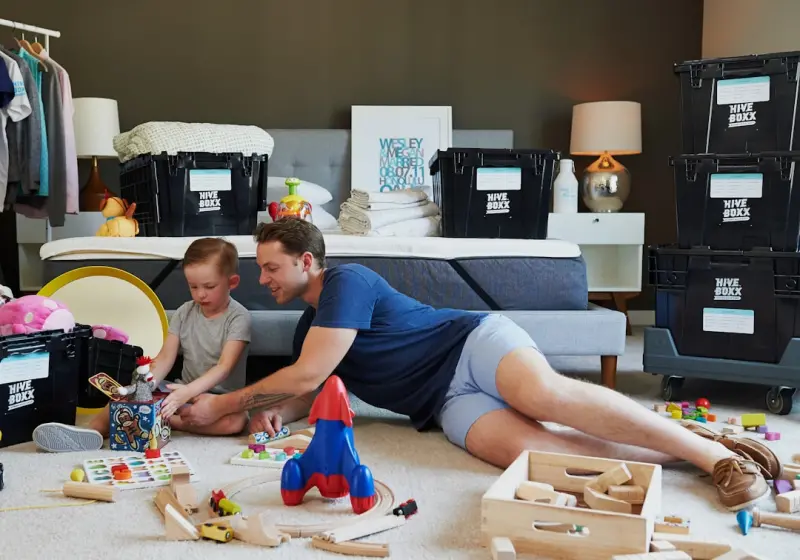
Why Open‑Ended Toys Matter More Than Ever
In today’s hyper‑connected world, children are bombarded with screens that promise instant gratification, yet the most memorable moments often arise from simple, unstructured play. Open‑ended toys—think wooden blocks, magnetic tiles, or a plain piece of fabric—invite kids to invent their own narratives, fostering imagination that no app can replicate. When a child decides the rules, they’re also learning decision‑making, an essential life skill that extends far beyond the playroom. The beauty lies in the ambiguity: a single object becomes a spaceship, a castle, or a secret hideaway, depending on the child’s mood. This fluidity encourages resilience, as youngsters experiment, fail, and try again without fear of “wrong” answers. As I watch my niece transform a humble cardboard box into an entire kingdom, I’m reminded that the most powerful toys are those that leave room for wonder.
Eco‑Conscious Play: Sustainable Materials Take Center Stage
Parents are increasingly scrutinizing the environmental footprint of every purchase, and toys are no exception. Brands now prioritize responsibly sourced wood, recycled plastics, and biodegradable fabrics, turning the act of play into a lesson in stewardship. When a child builds a tower from FSC‑certified wood, they’re subtly absorbing the importance of sustainable sourcing. Moreover, manufacturers are designing modular sets that grow with the child, reducing the need to constantly replace toys as interests shift. Reusable components mean less waste and a longer lifespan for each piece, aligning with a circular economy mindset. This shift isn’t merely about marketing; it reflects a broader cultural movement where consumers demand transparency and ethical production. By choosing toys that champion the planet, families teach their children that caring for the Earth can start with something as simple as a puzzle piece.
Smart Toys: When Technology Meets Imagination
While open‑ended play champions freedom, technology has found its way into the toy aisle in surprisingly thoughtful ways. Smart toys now blend interactivity with creativity, using AI to respond to a child’s voice, adapt to skill levels, or even project augmented‑reality (AR) environments onto a bedroom wall. Imagine a plush robot that not only tells stories but also asks follow‑up questions, prompting kids to expand on the plot. These devices can track progress, offering personalized challenges that keep children engaged without overwhelming them. The key is balance: technology should amplify, not replace, the tactile joy of handling a physical object. When done right, a smart building set can suggest new architectural styles while still letting the child decide the final design. This synergy of semantic clustering‑like intelligence with hands‑on building nurtures both logical reasoning and artistic flair.
The Developmental Upside: Cognitive, Social, and Emotional Gains
Research consistently shows that play isn’t just fun—it’s a critical driver of brain development. Open‑ended and smart toys together stimulate multiple neural pathways, from fine motor skills to language acquisition. Below are some of the most compelling benefits:
- Problem‑Solving: Children experiment with cause and effect, learning to troubleshoot and iterate.
- Social Skills: Collaborative play encourages turn‑taking, empathy, and conflict resolution.
- Emotional Regulation: Through role‑play, kids explore feelings in a safe, controlled environment.
- Literacy & Numeracy: Storytelling toys spark vocabulary, while building sets introduce basic geometry.
When a child narrates a saga about a dragon guarding a treasure, they’re practicing sequencing, descriptive language, and even basic budgeting concepts—counting gold coins, for instance. The blend of tangible pieces and responsive technology creates a rich, multimodal learning experience that traditional classroom tools often lack.
Parent‑Guided Play: Setting Boundaries Without Stifling Curiosity
Modern parents wrestle with the paradox of encouraging technology while limiting screen time. The solution lies in intentional scaffolding: set clear expectations, co‑play, and rotate toys to keep the environment fresh. By joining in, adults model curiosity and demonstrate how to ask “what if?” questions that deepen engagement. For instance, while building a city with magnetic tiles, a parent might ask, “How would this road handle rush hour traffic?” prompting the child to consider logistics. Such dialogue turns play into a collaborative problem‑solving session, reinforcing learning while preserving fun. Moreover, designating “tech‑free zones” in the home ensures that digital devices complement rather than dominate the play landscape, allowing imagination to flourish unhindered.
Market Trends: What the Numbers Reveal About Today’s Toy Landscape
Industry analysts report a surge in demand for hybrid toys that marry physical components with digital interactivity. Sales of AR‑enabled building kits have grown double‑digit percentages year over year, reflecting parents’ desire for educational value paired with excitement. Simultaneously, eco‑friendly brands are capturing market share, with sustainable product lines outpacing conventional toys in many regions. The rise of subscription boxes—delivering curated, age‑appropriate kits each month—also illustrates a shift toward experiential gifting. These trends indicate that consumers are no longer satisfied with single‑purpose toys; they crave products that evolve, teach, and align with their values. As the market continues to respond, expect more collaborations between tech startups and traditional toy manufacturers, delivering innovative play experiences that are both smart and responsible.
Future Forecast: Co‑Creation, Community, and Customization
Looking ahead, the next wave of toys will likely be defined by community‑driven design and deep personalization. Imagine a platform where children upload their own 3D‑printed designs, share them with peers, and receive instant feedback—turning every play session into a collaborative workshop. Brands are already experimenting with modular ecosystems that allow users to mix and match hardware, software, and accessories, creating bespoke play experiences. This adaptive content strategy approach mirrors how content creators pivot in real time, but applied to tangible play. As children become co‑creators, they develop a sense of ownership and pride, reinforcing confidence and a growth mindset. The convergence of maker culture, sustainable production, and AI‑driven personalization promises a future where every toy can be as unique as the child who wields it.
Actionable Takeaways for Parents and Retailers
For parents seeking to enrich their child’s playtime, consider the following steps:
- Blend open‑ended and tech‑enhanced toys to cover a spectrum of learning styles.
- Prioritize sustainable materials; look for certifications and durability guarantees.
- Engage actively—ask open‑ended questions and co‑create stories.
- Rotate toys regularly to keep curiosity alive and avoid overstimulation.
- Explore subscription services that introduce curated, developmental‑focused kits.
Retailers can capitalize on these insights by curating collections that emphasize eco‑friendliness, modularity, and interactive features. Offering in‑store demo stations where kids can test both physical and digital components creates an immersive shopping experience that drives confidence and sales. By aligning product strategy with the evolving desires of modern families, the toy industry can foster a generation of innovators who view play not just as entertainment, but as a lifelong engine for creativity.

Related Posts
The Blind‑Box Boom: Why Mystery Toys Are Capturing Modern Imagination
A deep dive into why blind‑box toys dominate today’s market, the science behind the excitement, ... Read More
The Evolution of Play: How Collectible Toys Are Redefining Childhood
Collectible toys are redefining childhood through play, creativity, and social connections. Learn mo... Read More

Why Imaginative Play Is the Secret Sauce for Modern Childhood Development
Explore why open‑ended toys are essential for kids’ development, how to craft inspiring play spa... Read More
Top Posts
The Resurgence of Retro Toys: Why Collectible Toys Are Making a Comeback
Retro toys are making a comeback, and collectible toys are leading the way. Learn why nostalgia and a desire for creative play are driving the resurgence of ret...Read More

From Broadcast to Conversation: Building a Living Content Ecosystem
Learn how to turn passive readers into active contributors, creating a dynamic content library that constantly refreshes itself and fuels long‑term organic gr...Read More

Capture the ‘Near Me’ Boom: Hyperlocal SEO Strategies for Small Businesses
Learn how to dominate “near me” queries with geo‑fencing, neighborhood content hubs, and AI‑powered local SERPs, turning mobile searches into real‑wor...Read More

Crafting a Human‑Centric Social Media Strategy That Converts
Learn how to design a human‑centric social media strategy that resonates, converts, and adapts to emerging trends, using empathy‑first tactics and actionabl...Read More
0 Comments
Post Comment
You will need to Login or Register to comment on this post!