
Why Local SEO Still Matters for SaaS (Even Without a Brick‑and‑Mortar)
When I first stepped into the SaaS world, the phrase “local SEO” felt like a relic reserved for coffee shops and boutique retailers. Fast‑forward to today, and the reality is starkly different: local search is a gateway to high‑intent, geographically qualified leads for any software solution that serves a specific market, whether that market is a city, a region, or even a cluster of zip codes. The misconception that SaaS can ignore locality stems from the myth that “digital = global.” In practice, buyers often start their journey with a local intent—searching for “project management software in Austin” or “HR platform for New York SMBs.” If you’re not showing up in those local SERPs, you’re handing the conversation to a competitor who is.
Mapping Your Service Landscape Without a Physical Storefront
Unlike a traditional retailer, you don’t have a storefront to claim on Google My Business. Instead, you own a digital footprint that can be segmented by geography. The first step is a thorough service‑area audit:
- Identify core markets. Pull sales data, inbound lead origins, and CRM geography fields to pinpoint where your most valuable customers live.
- Layer in intent data. Use keyword research tools to surface phrases that combine your product category with city or regional modifiers (e.g., “CRM for Chicago startups”).
- Validate with Google Search. Perform manual searches using incognito mode and a VPN to see who currently dominates those local SERPs.
This exercise reveals “sweet‑spot” locales where you can invest SEO resources for the highest ROI.
Geo‑Targeted Content Hubs: The Secret Sauce for SaaS Local SEO
Once you know which markets matter, the next move is to create geo‑targeted content hubs. Think of each hub as a mini‑website dedicated to a city or region, anchored by a pillar page that addresses the unique challenges of businesses in that area. For example, a pillar titled “Best Project Management Tools for San Diego Agencies” can host supporting articles on compliance, integration preferences, case studies, and local events.
Why hubs work better than a single “services” page?
- Relevance. Search engines reward pages that tightly match the user’s query, including geographic modifiers.
- Authority. A cluster of interlinked, location‑specific content signals deep expertise to Google.
- Conversion. Prospects see that you understand their local market nuances, which shortens the sales cycle.
When building these hubs, keep the following tactics in mind:
- Incorporate localized keyword variations naturally in headings, meta tags, and body copy.
- Embed a Micro‑Moments on Mobile strategy—anticipate the “I need a solution now” impulse and surface clear CTAs.
- Leverage Semantic SEO for SaaS principles to map related topics (pricing, integrations, case studies) as supporting clusters.
Structured Data & Local Business Schema: Speaking Google’s Language
Google’s algorithm understands structured data as a direct line of communication. While SaaS companies aren’t “local businesses” in the classic sense, you can still use LocalBusiness schema to highlight service regions, contact information, and even supported platforms. Here’s a quick checklist:
- Choose the right type.
SoftwareApplicationnested withinLocalBusinessconveys both product and geographic relevance. - Populate address fields. If you operate remotely, you can list a “virtual office” address or a registered business address that aligns with your target market.
- Add serviceArea. Use ISO 3166‑2 codes (e.g., “US‑TX”) to explicitly tell Google where you serve.
- Include openingHours. Even for a support team, specifying “24/7” can improve visibility for “software support near me” queries.
Testing your markup with Google’s Rich Results Test ensures it’s error‑free and ready to earn those coveted local SERP features.
Local Link Building in the Digital‑Only Era
Backlinks remain a pillar of SEO, but local link building for SaaS demands creativity. Here are five tactics that have worked for me:
- Partner with local industry associations. Offer a free webinar or a downloadable guide in exchange for a mention on their resource page.
- Contribute guest posts to city‑focused business blogs. Write about “How Seattle Startups Can Streamline Onboarding with SaaS Solutions.”
- Sponsor community tech meetups or hackathons. Even virtual events often have local chapters that list sponsors.
- Earn citations from local news outlets. Pitch a story about a new feature that solves a problem unique to a region’s regulatory environment.
- Leverage customer case studies. Ask happy clients to feature your solution on their “partners” page, linking back to your geo‑hub.
Remember, relevance beats quantity. A link from a well‑respected local chamber of commerce carries more weight than ten generic directory listings.
Measuring Success: Metrics That Matter for Local SaaS SEO
Traditional SEO KPIs—organic traffic, rankings, and backlinks—still apply, but local SEO adds a layer of nuance. Track these additional signals:
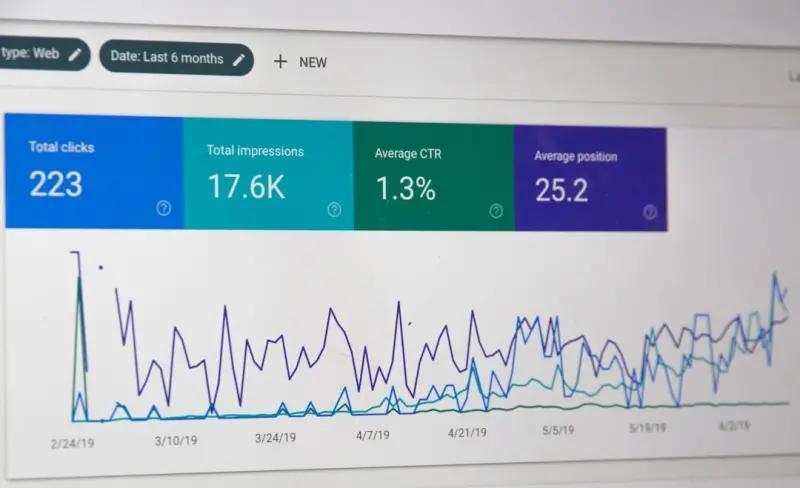
- Local organic impressions. Use Google Search Console’s “Performance > Queries” filter to isolate city‑specific terms.
- Click‑through rate (CTR) on local SERP features. A high CTR on a “Local Pack” or “Knowledge Panel” indicates strong relevance.
- Qualified lead volume by geography. Tag inbound leads with source data to see which hubs are driving conversions.
- Engagement metrics on hub pages. Low bounce rates and high time‑on‑page suggest the content resonates with local intent.
Set quarterly benchmarks and adjust your content, schema, or link‑building tactics based on the data. A data‑driven loop ensures you’re not just ranking, but also delivering ROI.
A Tactical Checklist to Get Started Today
Feeling overwhelmed? Use this bite‑size checklist to launch a local SEO program without a full‑time team:
- Audit your current geographic performance. Pull CRM, Google Analytics, and Search Console data to map existing lead origins.
- Select three priority markets. Choose based on revenue potential, competition, and search volume.
- Create a pillar page for each market. Follow the geo‑hub structure described above.
- Implement LocalBusiness schema. Use a tool like Schema Pro or manually add JSON‑LD to each hub page.
- Publish supporting cluster content. Aim for two to three sub‑articles per hub within the first month.
- Reach out for three local backlinks. Target industry groups, community blogs, and local news.
- Monitor and iterate. Set up a dashboard in Data Studio or similar to track local impressions, CTR, and lead conversion.
Within 90 days, you should see a measurable uptick in localized organic traffic and, more importantly, inbound leads that match your ideal customer profile. The beauty of this approach is its scalability—you can repeat the process for new markets as your SaaS expands.
Integrating Mobile‑First Experiences for Local Search
Local searches are overwhelmingly mobile. A prospect searching “best CRM for Miami startups” is likely on a smartphone, expecting instant answers. That’s where a PWA strategy shines. PWAs deliver fast load times, offline access, and app‑like navigation—attributes that Google rewards with better local rankings. Ensure your geo‑hub pages load in under three seconds, employ responsive design, and feature prominent, mobile‑optimized CTAs (e.g., “Start Free Trial – Miami”).
Beyond the Hub: Turning Local Success into Brand Advocacy
When a local lead converts, they become a brand ambassador for that region. Encourage them to leave reviews on Google Business profiles (even if you’re a virtual company) and to share case studies on local social groups. This user‑generated content reinforces your local authority and fuels the next cycle of inbound leads—creating a virtuous loop that amplifies both SEO and sales.

Related Posts

Local SEO in 2024: Jody Henderson’s Playbook for Neighborhood Dominance
Jody Henderson shares a 2024 local SEO playbook—optimizing Google Business Profiles, crafting hype... Read More

Local SEO Strategies to Dominate Your Market
Local SEO is crucial for businesses to increase visibility and credibility in local search results. ... Read More

Capture the ‘Near Me’ Boom: Hyperlocal SEO Strategies for Small Businesses
Learn how to dominate “near me” queries with geo‑fencing, neighborhood content hubs, and AI‑... Read More
Top Posts

Unlocking Hidden SEO Power on LinkedIn: Recommendations, Articles, and Groups
Learn to turn LinkedIn recommendations, articles, and group activity into powerful SEO assets that elevate your profile and drive organic traffic....Read More

LinkedIn SEO: Unlocking Niche Visibility for Professionals
Learn how to optimize your LinkedIn profile for niche keywords, leverage diverse content formats, and track results, turning casual viewers into meaningful prof...Read More

The Power of Narrative Sequencing: Turning Content Into a Story Arc That Converts
Learn why aligning your content into a logical story sequence can double conversions, improve brand affinity, and future‑proof your marketing in an AI‑drive...Read More

Revolutionizing Your Social Media Strategy for Maximum Engagement
Revolutionize your social media strategy with a deep understanding of your target audience, a well-crafted content strategy, and a willingness to adapt to the e...Read More
0 Comments
Post Comment
You will need to Login or Register to comment on this post!