

Why Recommendations Are the New SEO Gold Mine on LinkedIn
When most professionals think about LinkedIn SEO they stare at the headline, the summary, and the list of skills, but they often overlook the power of recommendations as a ranking signal both inside LinkedIn’s own search and on Google’s SERPs. Every authentic endorsement adds a layer of trust that search algorithms treat like a citation, signaling expertise and authority to both platforms. By encouraging colleagues, clients, and mentors to write detailed, keyword‑rich recommendations, you create a network of micro‑content that Google can crawl, index, and associate with your personal brand, effectively turning a social proof element into an SEO asset.
Embedding Keywords in Endorsements Without Over‑Optimization
LinkedIn’s recommendation engine rewards relevance, so strategically placing industry‑specific terms inside the narrative boosts discoverability without triggering spam filters. The key is to weave phrases naturally—think of a client describing a project outcome using the exact terminology your target audience searches for. This approach mirrors the entity‑driven SEO framework that search engines use to understand context, allowing your profile to rank for both broad and niche queries while preserving the human tone that makes recommendations compelling.
Publishing LinkedIn Articles as Evergreen SEO Assets
LinkedIn Articles are indexed by Google just like blog posts, but they carry the added benefit of being hosted on a high‑authority domain. By crafting long‑form pieces that solve real problems, embed relevant keywords, and include internal and external links, you create evergreen assets that attract backlinks and social shares over time. Structure each article with clear headings, concise paragraphs, and a compelling call‑to‑action, and remember to add descriptive alt text to any embedded images—these signals help Google understand the content’s relevance and improve its chances of appearing in featured snippets.
Leveraging LinkedIn Groups for Topic Authority
Groups act as niche communities where algorithms reward consistent, value‑driven participation. By regularly answering questions, sharing insights, and linking back to your own high‑quality content, you position yourself as a go‑to authority in that niche, which in turn amplifies your personal profile’s search weight. The algorithm also surfaces top contributors in group search results, giving you a second layer of visibility that can funnel traffic to your profile and articles, especially when you reference specific case studies or data points that reinforce your expertise.
Optimizing the Company Page to Amplify Individual Rankings
A well‑optimized LinkedIn Company Page can act as a powerful SEO amplifier for the people behind it. Start by completing every section—about, specialties, and location—with precise, keyword‑rich copy that mirrors the language used on your personal profile. Encourage employees to list the company as their current employer and to share the page’s updates, creating a web of social signals that search engines interpret as endorsement. When the corporate page ranks for industry terms, it often pulls associated employee profiles into the same search results, creating a virtuous cycle of visibility.
Strategic Use of Hashtags and Alt Text for Search Visibility
Hashtags on LinkedIn function like micro‑topics that help the platform surface your content to interested users, and they also provide additional indexing cues for Google. Choose three to five niche‑specific hashtags per post—avoid generic tags that drown your content in noise. For images, write alt text that describes the visual while naturally incorporating a target keyword; this not only aids accessibility but also gives search crawlers another data point to associate your profile with relevant queries.
Syncing LinkedIn Activity with a Real‑Time Content Calendar
Timing your posts to align with industry events, product launches, or trending news maximizes both engagement and SEO impact. By mapping LinkedIn publishing dates to a real‑time content calendar, you ensure that each piece of content rides the wave of current conversation, increasing the likelihood of shares, comments, and backlinks. This disciplined cadence also signals to LinkedIn’s algorithm that you are an active contributor, which can boost the ranking of both your profile and any linked articles.
Measuring ROI: Tools and Metrics That Prove LinkedIn SEO Works
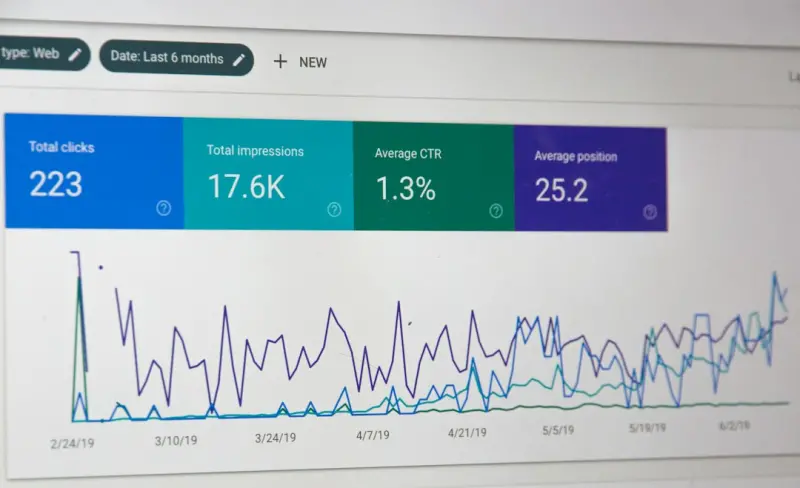
To justify the effort, track metrics that bridge social activity with search performance. Use LinkedIn’s analytics to monitor profile views, search appearances, and article reads, then cross‑reference with Google Search Console data to see which LinkedIn‑originated URLs are driving organic traffic. Look for spikes in keyword rankings after publishing a recommendation‑rich article or after a group discussion that includes a backlink to your site. Over time, these data points will illustrate a clear correlation between LinkedIn SEO tactics and overall search visibility, allowing you to refine your strategy for even greater impact.

Related Posts

Unlocking LinkedIn Community Power for SEO Growth
Learn to leverage LinkedIn groups for SEO by finding the right communities, crafting value‑first p... Read More

Unlocking Long‑Tail Keyword Power on LinkedIn for SaaS Brands
This guide shows SaaS marketers how to engineer LinkedIn profiles, publish SEO‑rich articles, and ... Read More

Unlocking LinkedIn’s Hidden Search Signals for B2B SaaS Leaders
Learn a step‑by‑step strategy to turn LinkedIn into a searchable, lead‑generating asset for Sa... Read More
Top Posts

Community‑Driven SEO: Turning User Content into Ranking Gold
Discover why treating community content as an SEO asset can unlock long‑tail traffic, high‑quality backlinks, and sustainable growth for SaaS businesses....Read More

The Rise of AI‑Powered Interactive Content in SaaS Marketing
Explore why AI‑powered interactive content is becoming essential for SaaS marketers, offering higher engagement, rich data insights, and scalable personalizat...Read More
Google’s Algorithmic Feedback Loops: A SaaS Playbook for Sustainable Growth
Discover a step‑by‑step framework that aligns your SaaS content with Google’s real‑time ranking signals, from AI‑driven intent mapping to zero‑click...Read More

Turn Competitor Gaps Into SEO Gold: A Tactical Playbook
Learn a step‑by‑step method to uncover competitor SEO gaps, prioritize high‑impact opportunities, and turn those insights into ranking‑boosting content ...Read More
0 Comments
Post Comment
You will need to Login or Register to comment on this post!