

When most marketers think about LinkedIn, they picture a polished résumé, a steady stream of connection requests, and maybe a few thought‑leadership posts. Rarely do they consider that every interaction on the platform is feeding a hidden search engine of its own—one that can amplify your brand’s visibility far beyond the confines of the feed. In this piece, I’m pulling back the curtain on a set of tactics that turn LinkedIn from a networking tool into a genuine SEO asset, without re‑hashing the “hidden engines” narrative you’ve already seen.
Why LinkedIn Matters to Google (and the Rest of the Web)
Google’s crawlers have grown smarter about social signals. While they don’t use likes or comments as direct ranking factors, they do index public LinkedIn pages, articles, and even comment threads. When your profile or post shows up in Google SERPs, you capture organic traffic that would otherwise require a separate content push.
Three core reasons make LinkedIn uniquely valuable for SEO:
- Authority Signals: A well‑filled profile, complete with endorsements, recommendations, and a professional headshot, signals credibility to both humans and bots.
- Long‑Tail Keyword Real Estate: Your headline, summary, and post copy can target niche phrases that competitors overlook.
- Backlink Magnetism: When you publish articles that solve real problems, other sites naturally reference them, creating inbound links that Google loves.
1. Engineer Your Profile for Keyword Dominance
Think of your LinkedIn profile as a landing page. Every section is an opportunity to embed the exact phrases your ideal buyer is typing into Google.
Headline: Beyond your job title, add a concise value proposition peppered with a primary keyword. For example, “SaaS Growth Strategist | Revenue‑Focused LinkedIn SEO for B2B Tech.” This not only helps LinkedIn’s internal search but also appears in Google’s index.
About Section: Write in a narrative style but weave in long‑tail phrases like “enterprise SaaS lead‑generation via LinkedIn content syndication.” Aim for 2–3 paragraph blocks, each ending with a subtle call‑to‑action that encourages visitors to explore your website.
Featured Media: Upload PDFs, slide decks, or short videos that target the same keywords. Google can index PDFs, giving you another entry point for ranking.
Pro tip: Use the same keyword density you’d apply to a blog post—about 1%—to avoid over‑optimization.
2. Publish Long‑Form Articles That Double as SEO Assets
LinkedIn’s publishing platform is a low‑friction way to generate high‑quality, indexed content. Here’s how to make each article work harder than a standard blog post:
- Start with a Keyword‑Rich Title: Aim for 60 characters or less, include the primary term, and make it compelling enough to earn clicks in both LinkedIn and Google.
- Structure for Skimmability: Use h2 subheads, bullet points, and bolded key takeaways. This mirrors the best practices Google rewards for user experience.
- Embed Rich Media: Insert a short video or a slide deck that explains a concept visually. When you host the video on your own domain (e.g., on your SaaS site), you create a cross‑link that passes link equity.
- End with a Link to a Pillar Page: Direct readers to a comprehensive guide on your own site. This not only drives traffic but also signals to Google that your external page is a hub of relevance.
For a deeper dive on turning content into a search‑engine magnet, check out Turning Search Engines into Topic Guides. The principles translate nicely to LinkedIn publishing.
3. Leverage the “Featured” Section for SEO‑Friendly Assets
The “Featured” section is prime real estate for showcasing SEO‑optimized content. Populate it with:
- Links to your most authoritative blog posts that target the same keywords you’re using on LinkedIn.
- Case studies hosted on your website, each with a concise, keyword‑laden description.
- Slide decks that summarize complex SaaS concepts—these can be crawled as PDFs.
Every click from LinkedIn to your domain is a signal that Google interprets as endorsement, especially when the source is a profile with high authority.
4. Harness the Power of Comments for Semantic Relevance
Comments on LinkedIn aren’t just for engagement; they’re an opportunity to surface additional keywords. When you reply to a comment, naturally incorporate related terms without sounding forced. This creates a semantic web around your post that both LinkedIn’s algorithm and Google’s NLP models appreciate.
Example: If someone asks about “customer churn reduction,” you might respond, “Our recent framework for churn mitigation leverages predictive analytics and personalized onboarding, which aligns with the broader trend of data‑driven retention strategies.” Notice the inclusion of “predictive analytics,” “personalized onboarding,” and “data‑driven retention” – all potential search queries.
5. Build a Network That Amplifies SEO Signals
It’s not just about who you connect with, but how those connections interact with your content. When influential figures in your niche share or comment on your article, LinkedIn’s algorithm boosts its reach, and Google’s crawlers see an uptick in external signals.
Action steps:
- Identify 10 thought leaders in SaaS growth who regularly publish on LinkedIn.
- Engage with their content weekly—comment thoughtfully, share insights, and occasionally tag them in relevant posts.
- When you publish a new article, personally notify a few of these connections with a brief, value‑focused message asking for their take.
Over time, this creates a virtuous cycle where your content gains visibility, earns backlinks, and climbs SERPs.
6. Integrate Structured Data via LinkedIn Articles
While you can’t embed JSON‑LD directly in a LinkedIn post, you can simulate structured data by using consistent formatting that search engines can parse. For instance, start each section with a Question followed by an Answer. This mirrors the FAQ schema that Google loves.
Example:
What is LinkedIn SEO?
LinkedIn SEO is the practice of optimizing your profile, posts, and activity to rank higher in both LinkedIn’s internal search and external search engines.
When Google crawls the article, it often extracts these Q&A pairs as featured snippets, driving additional traffic.
7. Repurpose LinkedIn Content into Other SEO Channels
Every LinkedIn article you publish can be transformed into a blog post, a podcast episode, or a micro‑video series. This multi‑channel approach reinforces the same keyword themes across platforms, signaling to Google that the topic is authoritative.
For inspiration on turning content into other formats, see When AI Becomes Your Content Department. The workflow described there can be adapted to pull LinkedIn posts into your broader content ecosystem.
8. Track, Test, and Iterate with LinkedIn Analytics
LinkedIn provides basic metrics—views, likes, comments, and shares. To gauge SEO impact, combine these with external analytics:
- Set up UTM parameters on every link you embed in an article.
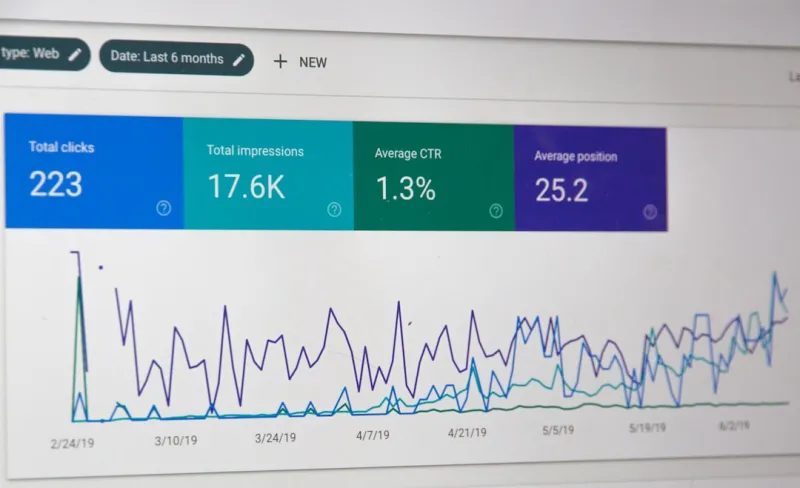
- Monitor organic traffic spikes in Google Search Console that coincide with your publishing schedule.
- Use heat‑mapping tools to see how visitors interact with your featured assets on your profile.
By aligning internal LinkedIn data with external SEO metrics, you can pinpoint which types of content drive the most qualified traffic and double down on those formats.
9. Future‑Proof Your LinkedIn SEO Strategy
LinkedIn is evolving—new features like “LinkedIn Audio Events” and “Creator Mode” will shift how content is surfaced. Stay ahead by:
- Testing audio snippets that embed keyword‑rich intros.
- Adopting Creator Mode to unlock a personalized URL, which you can optimize for SEO.
- Continuously refreshing your headline and summary as industry terminology evolves.
Remember, SEO isn’t a set‑and‑forget tactic; it thrives on adaptation.
Putting It All Together: A 30‑Day Action Plan
Here’s a concise roadmap to turn your LinkedIn presence into a searchable asset:
- Day 1‑3: Audit your profile for keyword gaps. Update headline, summary, and featured section.
- Day 4‑7: Draft a long‑form article targeting a niche keyword. Include a Q&A section for structured data.
- Day 8: Publish the article and share it with 5 industry influencers.
- Day 9‑14: Repurpose the article into a slide deck and a short video. Upload both to the “Featured” section.
- Day 15‑21: Engage daily with comments on your article, injecting related long‑tail terms.
- Day 22‑28: Track traffic via UTM and Google Search Console. Note any SERP appearances.
- Day 29‑30: Refine based on data—tweak headlines, add missing keywords, and schedule the next article.
Follow this cadence for three months, and you’ll likely see a measurable lift in both LinkedIn visibility and organic search traffic.
LinkedIn’s SEO potential isn’t a secret reserved for the platform’s internal team. It’s a set of disciplined, repeatable tactics that, when executed with precision, turn every profile visit, comment, and share into a signal that Google and other search engines can read. Treat your LinkedIn presence as a living, indexing‑ready asset, and watch it pay dividends across your entire digital footprint.

Related Posts

Unlocking LinkedIn SEO: Strategies to Boost Your Online Presence
Learn how to unlock the power of LinkedIn SEO and boost your online presence with these expert strat... Read More

Unlocking Hidden SEO Power on LinkedIn: Recommendations, Articles, and Groups
Learn to turn LinkedIn recommendations, articles, and group activity into powerful SEO assets that e... Read More

Turning LinkedIn Articles into Evergreen SEO Powerhouses
Learn to turn LinkedIn’s long‑form posts into evergreen SEO assets, using keyword mastery, struc... Read More
Top Posts

Human‑Centric On‑Page SEO: Turning Every Element into a Conversation Starter
Discover a fresh, human‑first approach to on‑page SEO that blends conversational headlines, strategic content pruning, visual optimization, and micro‑copy...Read More

Interactive Tools: The Next Frontier in Scalable Link Building
Learn how to create and promote interactive tools that naturally earn backlinks, drive traffic, and build lasting authority for your site....Read More

Interactive Content Playbooks: From Readers to Buyers
Interactive content transforms passive readers into active participants, providing immediate value and feeding richer lead data. This post outlines a playbook f...Read More
Local SEO Strategies for Small Businesses: A Comprehensive Guide
Learn how to optimize your website and online presence for local SEO to attract more customers and stay ahead of the competition. Get the latest local SEO strat...Read More
0 Comments
Post Comment
You will need to Login or Register to comment on this post!