

Why On‑Page SEO Needs a Human‑First Refresh
When I first dove into SEO for SaaS, I was taught to chase keywords like a dog chasing its tail. Years later, the algorithmic leash has loosened, and the real race is about how well a page serves people—not just robots. In this post, I’m pulling back the curtain on the newest shift in on‑page strategy: treating every element on a page as a conversation starter, a trust builder, and a conversion catalyst.
1. The Rise of Conversational Intent
Search queries are no longer a list of nouns; they’re full‑blown questions, commands, and “what‑if” scenarios. Think of a product manager typing, “How can I reduce churn after a free trial?” or a developer asking, “What’s the best way to integrate Stripe with React?” Your page must anticipate this dialogic flow.
- Headline as a promise: Instead of “SaaS Analytics Dashboard,” try “Cut Churn by 30% with Our Real‑Time SaaS Analytics Dashboard.” The headline now answers a specific pain point.
- Subheadings as signposts: Break content into bite‑size, question‑driven sections. Example: “What does churn look like in your funnel?”
- Answer blocks: Use concise, bulleted answers that Google can lift straight into a featured snippet. Aim for 40‑55 words per answer.
When you frame each section as a direct reply to a user’s mental question, you’re feeding the algorithm the very signals it loves—relevance, clarity, and user satisfaction.
2. Structured Content Hierarchies for AI‑Readability
Large language models (LLMs) are now part of Google’s ranking engine. They thrive on well‑structured HTML that mimics an outline. Here’s how to make your markup AI‑friendly:
- Semantic tags: Use
<section>and<article>to group related ideas. - Descriptive
altattributes: Go beyond “screenshot” and explain the visual, e.g., “Dashboard showing churn reduction after implementing predictive alerts.” - Schema for FAQ and How‑To: Even if you’ve covered structured data elsewhere, layering it on high‑value sections gives LLMs richer context to pull from.
Think of these tags as a backstage pass for the AI, letting it see the script, the actors, and the scene direction—all at once.
3. Content Pruning: Less is More
Most SaaS sites accumulate stale blog posts, outdated case studies, and half‑finished whitepapers. Google’s “content freshness” signal isn’t just about adding new pieces; it’s also about removing or consolidating the dead weight.
Start with a data‑driven audit:
- Traffic heatmaps: Identify pages that receive under 5% of total organic clicks.
- Conversion funnels: Spot pages that generate traffic but no qualified leads.
- Engagement metrics: Bounce rates above 70% often indicate misaligned intent.
For underperforming assets, either:
- Merge them into a comprehensive pillar page.
- Refresh them with current data, new screenshots, and updated calls‑to‑action.
- Redirect them to a more relevant page using 301 redirects.
Pruning sharpens your site’s overall authority, sending a clear signal to Google: “Every page here is worth indexing.”
4. Visual SEO: Optimizing Images for Search
Images are the silent workhorses of on‑page SEO. While Google can read text, it also parses visual cues. Here’s a quick checklist:
- File naming: Use descriptive, hyphenated names like saas‑churn‑dashboard‑2024.png instead of IMG_1234.png.
- Compressed yet crisp: Aim for under 150 KB without sacrificing retina quality. Tools like ImageOptim or TinyPNG are lifesavers.
- Responsive srcsets: Deliver the right image size for each device, improving Core Web Vitals and user experience.
- Contextual captions: A short, keyword‑rich caption can boost relevance without sounding spammy.
When images are treated as another layer of content, they become indexable assets that can appear in Google Images, drive referral traffic, and enhance on‑page relevance.
5. Internal Linking with Intent Clusters
Traditional internal linking often feels like a “sprinkling of links” exercise. Instead, group pages by search intent and create intentional pathways.
For example, a cluster around “reducing SaaS churn” could include:
- A blog post on churn analytics.
- A case study on a client who cut churn by 25%.
- A product page highlighting the churn‑reduction feature.
- A downloadable guide on churn‑prevention tactics.
Link these assets together with anchor text that mirrors the user’s next question, such as “how to calculate churn rate” or “real‑time churn alerts.” This not only distributes link equity but also guides visitors deeper into the conversion funnel.
6. The Power of “Micro‑Copy”
Micro‑copy—those tiny bits of text in buttons, tooltips, and validation messages—can influence both rankings and conversions. Google’s algorithm now evaluates user engagement at a granular level. If a visitor clicks a CTA and immediately abandons, it’s a negative signal.
Best practices for micro‑copy:
- Action‑oriented verbs: “Start Free Trial” beats “Submit.”
- Clarity over cleverness: Avoid jargon; be crystal clear about the outcome.
- Social proof snippets: Add small trust signals like “Trusted by 2,000+ SaaS founders.”
These tiny elements collectively shape the “user satisfaction” metric that search engines are increasingly rewarding.
7. Leveraging Real‑Time Data Widgets
Static copy is losing its edge. Embedding real‑time data widgets—like a live counter of active users, a rolling NPS score, or a dynamic heatmap—signals freshness and authority. Google’s crawlers can index JSON‑LD embedded data, treating it as a living piece of content.
Implementation tips:
- Wrap the widget in a
<section>with a cleararia-labelfor accessibility. - Provide a fallback static snapshot for crawlers that can’t execute JavaScript.
- Annotate the data with schema.org
LiveBlogPostingorStatisticalDataSetwhere appropriate.
When done right, these widgets act like a pulse check for search engines, confirming that your page is actively maintained.
8. Cross‑Channel Consistency: Aligning On‑Page SEO with Paid Messaging
Ever notice a disconnect between your ad copy and landing page headline? That friction can increase bounce rates and dilute relevance signals. Conduct a quick audit:
- Pull the top‑performing paid keywords from your ad platform.
- Map each keyword to its landing page.
- Ensure headline, subhead, and primary CTA echo the ad’s promise.
When paid and organic experiences speak the same language, users feel understood, and search engines see a cohesive content ecosystem.
9. Measuring Success: Beyond Rankings
On‑page SEO is no longer a vanity metric exercise. Tie every on‑page tweak to a business outcome:
- Engagement time: Does a new FAQ block increase average session duration?
- Lead velocity: Track how many MQLs originate from a revamped product page.
- SERP features: Monitor the appearance of “People also ask” and “Featured Snippet” boxes after restructuring content.
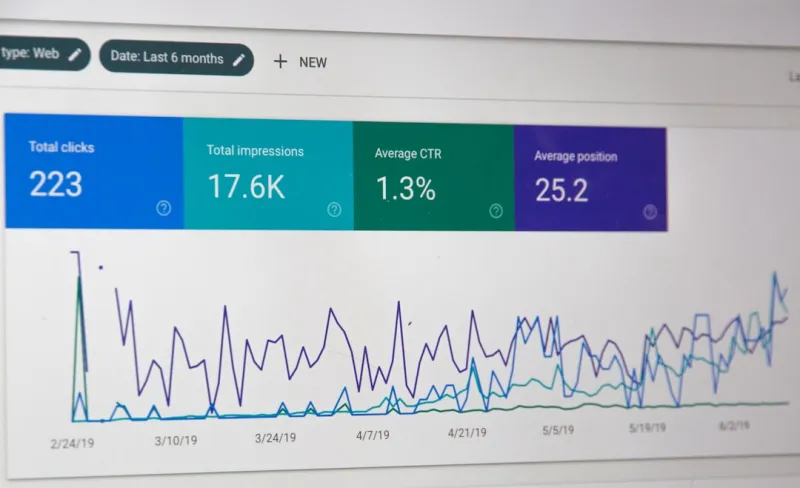
Use a dashboard that pulls data from Google Search Console, Google Analytics, and your CRM. The goal is to see a direct line from an on‑page change to pipeline growth.
10. Quick Wins Checklist
To wrap up, here’s a 10‑item cheat sheet you can implement this week:
- Rewrite headlines to answer a specific user question.
- Add a concise, bullet‑style answer for each subheading.
- Audit and prune underperforming pages.
- Optimize all images with descriptive filenames and compressed sizes.
- Group content into intent clusters and interlink them.
- Refresh micro‑copy on CTAs and form fields.
- Embed at least one real‑time data widget.
- Align landing page copy with top‑performing paid ads.
- Implement schema for FAQs and How‑To sections.
- Set up a KPI dashboard to track engagement, leads, and SERP features.
These actions may seem modest, but together they signal to Google—and, more importantly, to your visitors—that your site is a living, helpful resource.
Further Reading
If you’re hungry for deeper dives, check out these resources that complement the strategies above:
- Boost your visibility without a click – learn how to capture attention even when users never hit “Enter.”
- Technical foundations for lightning‑fast pages – a primer on server‑side tricks that keep your on‑page elements buttery smooth.
- Design‑first content creation – discover how block‑based editing can streamline your on‑page optimization workflow.
Final Thought
On‑page SEO is evolving from a checklist of tags into a holistic, human‑centric discipline. When you treat every heading, image, and micro‑copy snippet as a chance to converse with your audience, you’re not just climbing rankings—you’re building trust, reducing friction, and ultimately turning searchers into loyal customers.

Related Posts

Entity‑Centric On‑Page SEO: Build Semantic Hubs
Discover a fresh, entity‑centric approach to on‑page SEO that goes beyond keywords. This guide w... Read More
The Evolution of On-Page SEO: Strategies to Stay Ahead of the Curve
Learn how to adapt your on-page SEO strategy to the latest trends and best practices. Improve your w... Read More

Turning User Behavior Data into On‑Page SEO Gold for SaaS
Discover a data‑first approach to on‑page SEO that uses heatmaps, scroll depth, and click analyt... Read More
Top Posts
Bridging Mobile Web SEO and App Store Optimization for SaaS Growth
Discover a unified strategy that aligns keyword research, metadata, structured data, and content across mobile web and app stores, turning app store discovery i...Read More

The Hyperlocal Playbook: Turning Neighborhood Signals into SaaS Growth
Discover a step‑by‑step hyperlocal SEO strategy that helps SaaS companies dominate “near me” searches, leverage community partnerships, and turn neighbo...Read More

Turning Proprietary Knowledge into a SaaS Content Moat
Learn to transform your SaaS’s unique insights into a strategic content moat, delivering higher‑quality leads, stronger customer retention, and sustainable ...Read More

Zero‑Click Search: Turning Answers into SaaS Leads
Zero‑click search is reshaping how SaaS brands win visibility. This guide walks you through semantic clusters, technical fundamentals, and a practical sprint ...Read More
0 Comments
Post Comment
You will need to Login or Register to comment on this post!