
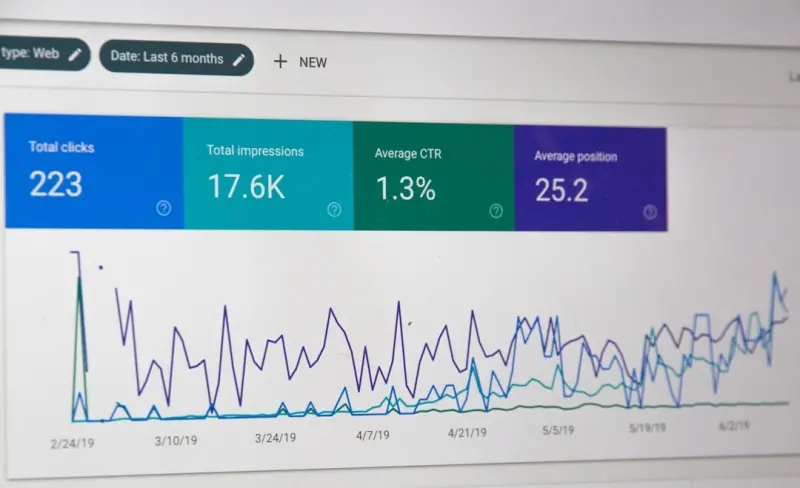
When I first saw a Google SERP that displayed a rich answer, a featured snippet, and a knowledge panel—all without a single link—I felt a mix of excitement and dread. Excitement because the brand I’d worked hard to build was finally getting prime real estate, and dread because the traditional click‑through model I’d relied on suddenly felt obsolete. This is the reality of zero‑click search, and it’s reshaping how SaaS companies think about SEO strategy.
What Exactly Is Zero‑Click Search?
Zero‑click search refers to any query result that satisfies a user’s intent directly on the SERP, eliminating the need for an extra click. Think of featured snippets, answer boxes, People Also Ask widgets, local packs, and even Google’s new “Sitelinks Search Box.” For B2B SaaS, where the buyer’s journey often starts with research, capturing this space can position your product as the authority before the prospect even lands on your site.
Why SaaS Brands Should Care
In the B2B arena, the average click‑through rate (CTR) for the first organic result has dipped below 30% according to recent industry studies. That means a majority of searchers are getting their answers elsewhere. If you’re not showing up in those zero‑click positions, you’re essentially invisible to a massive segment of potential customers.
But it’s not just about visibility. Zero‑click results often carry a trust signal that can shorten the sales cycle. When Google surfaces your brand as the definitive answer, prospects start their evaluation already leaning in your direction.
Mapping Search Intent to Zero‑Click Opportunities
The first step is to audit your keyword list for intent. Broadly, intent falls into three buckets: informational, navigational, and transactional. Zero‑click formats excel at the informational and navigational stages—where users are looking for quick answers or verification.
Take a common SaaS query like “what is churn rate.” A well‑crafted, concise definition on your site can earn a featured snippet. Meanwhile, a query such as “HubSpot pricing” often triggers a knowledge panel that pulls data from structured markup. By aligning your content to these intent types, you create a roadmap for which pages can be optimized for zero‑click placement.
Crafting Snippet‑Friendly Content
Google loves content that’s easy to parse. Here’s a quick checklist:
- Answer the question early. Place the concise answer within the first 100 words.
- Use bullet points or numbered lists. They’re prime candidates for “how‑to” snippets.
- Leverage tables. Comparative data often gets featured in “quick answer” boxes.
- Keep sentences short and declarative. Simplicity aids extraction algorithms.
For SaaS companies with complex products, breaking down concepts into bite‑size, digestible pieces is both user‑friendly and snippet‑friendly. One of my favorite tactics is to create a “quick definition” sidebar on every cornerstone page—think of it as a living glossary that Google can pull from.
Technical Foundations: Schema Markup and Structured Data
Even if your content is perfect, without the right markup Google may overlook it. Implementing structured data helps the engine understand the context of your content. For SaaS, consider the following types:
- FAQPage – Perfect for product‑specific Q&As.
- HowTo – Ideal for “how to set up a CRM integration” guides.
- Product – Supplies price, availability, and rating information for knowledge panels.
When you pair these schemas with a clean HTML hierarchy, you increase the odds that Google will surface your content in zero‑click formats. If you haven’t yet audited your site’s markup, treat it like a high‑priority technical SEO sprint.
Leveraging AI‑Augmented Content for Fresh Snippet Material
Creating content at scale while maintaining snippet readiness is a challenge. That’s where AI comes in. By using AI‑augmented workflows, you can generate concise, data‑driven answers that are both accurate and optimized for SERP features. In fact, our recent deep‑dive on AI‑Augmented Content shows how dynamic snippets can be refreshed automatically as your product evolves.
The key is to feed the model with your product’s unique terminology and up‑to‑date metrics, then have it produce short, authoritative statements that you embed directly into your pages. This not only saves copywriter time but also keeps your zero‑click content evergreen.
Performance Matters: Core Web Vitals and Zero‑Click Rankings
Google’s algorithmic weighting of page experience has grown more pronounced, especially for SERP features that appear above the fold. If a page is slow, Google may demote it from a featured snippet even if the content is perfect. Optimizing for Core Web Vitals—Largest Contentful Paint, First Input Delay, and Cumulative Layout Shift—is non‑negotiable.
Our guide on Mobile Core Web Vitals outlines actionable steps to shave milliseconds off load time, a crucial factor when Google decides which page to showcase in a zero‑click slot.
Testing and Measuring Success
Zero‑click SEO isn’t just about winning a spot; it’s about quantifying impact. Traditional metrics like organic traffic may not reflect the true value of a featured snippet. Instead, track:
- Impression share in SERP features. Google Search Console now provides data on snippet impressions.
- Brand lift surveys. Ask prospects how they discovered your brand.
- Organic assisted conversions. Even if users don’t click, they may later convert through direct traffic.
By overlaying these metrics with your CRM data, you can attribute revenue to zero‑click visibility—a powerful narrative for stakeholders.
Competitive Gap Analysis for Zero‑Click Opportunities
Before you chase a snippet, see who’s already owning it. Conduct a competitor audit using tools that surface SERP features for your target keywords. Identify gaps where no one currently holds the snippet—these are low‑hanging fruits. Then, create a targeted piece of content that directly addresses that query with the structure we discussed earlier.
Don’t forget to monitor the SERP regularly. Zero‑click positions are fluid; today’s winner can be displaced tomorrow by a fresh blog post or an updated schema.
Future‑Proofing: Voice Search and Zero‑Click
Voice assistants like Google Assistant and Alexa rely heavily on zero‑click answers. Optimizing for voice means focusing even more on natural language queries and concise answers. For SaaS, think of questions like “How does XYZ platform reduce churn?” and craft answers that read naturally when spoken.
Integrating voice‑search considerations into your zero‑click strategy not only captures current SERP opportunities but also positions your brand for the next wave of conversational search.
Putting It All Together: A 5‑Step Action Plan
- Intent Audit. Categorize your keyword list by informational, navigational, and transactional intent.
- Snippet Mapping. Identify which queries are eligible for featured snippets, answer boxes, or knowledge panels.
- Content Refactor. Rewrite or augment existing content to place concise answers early, use lists/tables, and add schema.
- Technical Optimization. Implement structured data, improve Core Web Vitals, and ensure mobile‑first rendering.
- Monitor & Iterate. Use Search Console and SERP tracking tools to measure impressions and adjust content as needed.
Follow this roadmap, and you’ll start seeing your brand surface in places that once seemed reserved for the giant players.
Final Thoughts
Zero‑click search isn’t a passing fad; it’s a fundamental shift in how users interact with information. For SaaS companies, the stakes are high because the buyer’s journey is already fast‑paced and data‑driven. By aligning your content, technical SEO, and performance strategies with the realities of zero‑click SERPs, you not only stay visible—you become the authoritative voice that guides prospects from curiosity to conversion, all without them ever clicking a link.

Related Posts

Semantic Topic Clustering: Unlocking Scalable SEO for SaaS
Discover a fresh SEO strategy for SaaS: semantic topic clustering. This post shows how to map entiti... Read More
Intent‑First SEO: Mapping User Motivation to Sustainable Rankings
Discover a fresh SEO strategy that puts user intent at the core, transforming traffic into conversio... Read More

Strategic Content Clustering: Building Authority Hubs That Own Search
Learn the step‑by‑step approach to create powerful content clusters that turn your site into an ... Read More
Top Posts

Strategic Content Sequencing: Orchestrating Multi‑Stage Journeys for SaaS Growth
Discover a fresh framework for SaaS marketers that turns isolated assets into a cohesive, multi‑stage content journey, driving higher engagement and faster co...Read More

Zero‑Click Search: How SaaS Brands Can Own the Answer Spot
Zero‑click search is reshaping how SaaS companies win visibility. This guide shows you how to map intent, craft snippet‑friendly content, leverage internal ...Read More
Unlocking SaaS SEO with User-Generated Content: A Playbook for Growth
User‑generated content isn’t just social proof—it’s a scalable SEO engine. This guide walks SaaS teams through collecting, structuring, and amplifying c...Read More
The Evolution of Google Algorithms: What You Need to Know
Google algorithms have undergone significant changes over the years. Learn how to adapt your SEO strategy and build a strong online presence with our comprehens...Read More
0 Comments
Post Comment
You will need to Login or Register to comment on this post!