
Why Google’s Algorithmic Feedback Loops Matter More Than Ever for SaaS Growth
When I first started writing about search, I treated Google’s algorithm like a black box – a mysterious set of rules that I could only guess at. Over the years, that perception has shifted dramatically. Google now offers a series of feedback loops that, if you understand them, can become a competitive advantage for SaaS companies that rely on organic traffic. In this post, I’ll unpack the latest evolution of those loops, demystify the role of AI‑driven signals such as RankBrain, MUM, and the “Helpful Content” update, and share a pragmatic framework you can apply today.
The New Landscape: From Core Updates to Continuous Signals
Historically, Google’s major core updates felt like seismic events – you’d see traffic spikes or drops and scramble to diagnose the cause. While those updates still happen, Google’s focus has migrated toward continuous, granular signals that adjust rankings on a near‑real‑time basis. Think of it as moving from an occasional earthquake to a steady tremor that you can feel under your feet.
Three pillars drive this tremor:
- Behavioral Signals – Click‑through rates, dwell time, bounce rate, and the infamous “pogo‑sticking.”
- Contextual AI – RankBrain’s vector‑based understanding of intent, and the more recent Multitask Unified Model (MUM) that can process text, images, and video together.
- Content Quality Metrics – The “Helpful Content” update that rewards pages that demonstrate expertise, authoritativeness, and trustworthiness (E‑A‑T) while penalizing thin or overly SEO‑centric copy.
These signals form a loop: Google observes user behavior, feeds that data into its AI models, adjusts rankings, and then re‑observes the next wave of user interactions. The loop repeats, and the system self‑optimizes.
What This Means for SaaS Marketers
For SaaS, the stakes are high. Prospects often start their buying journey with a very specific problem (“how to reduce churn in SaaS”) and evaluate multiple solutions before they even see a demo. If your content fails to align with the loop’s expectations, you’ll lose those high‑intent visitors to competitors whose pages are better tuned to Google’s feedback system.
Here are three concrete implications:
- Content Must Be Dynamically Relevant. A static FAQ page that was perfect a year ago may now be out‑of‑date relative to a competitor’s fresh blog post that incorporates the latest industry statistics.
- User Experience Is Ranking Material. Core Web Vitals still matter, but now they’re part of a broader UX score that includes navigation ease, content hierarchy, and even visual layout consistency across devices.
- Authority Is Distributed, Not Centralized. While backlinks remain valuable, Google now evaluates expertise at the page level and even the author level. A thought leader’s byline can boost a page’s credibility more than a generic corporate voice.
Building a Feedback‑Friendly Content Engine
Below is a step‑by‑step framework to align your SaaS content strategy with Google’s feedback loops. I’ve built this playbook on trial and error, and it’s the same approach I’ve used to help dozens of SaaS founders turn volatile traffic swings into steady growth.
1. Map the Intent Spectrum with AI‑Enhanced Keyword Research
Start with a granular intent map. Instead of grouping keywords into “head” and “long‑tail,” categorize them by the stage of the buyer’s journey and the type of decision they support (informational, navigational, transactional). Use AI tools to surface latent semantic entities that appear alongside your primary keywords in real‑world queries.
When you identify a cluster, create a topic hub that houses a pillar page and several supporting articles. Each supporting article should target a narrow intent slice, feeding the AI models the context they need to understand your overall expertise.
2. Infuse Real‑World Data and Case Studies
Google’s MUM model loves fresh, factual data. Incorporate up‑to‑date statistics, industry benchmarks, and real customer outcomes. If you have a churn‑reduction module, showcase a case study with concrete numbers (e.g., “Reduced churn by 12 % in 90 days”). This not only satisfies user curiosity but also signals to the algorithm that your content is genuinely helpful.
3. Optimize for the “Helpful Content” Signals
Google’s “Helpful Content” guidelines emphasize that the primary purpose of a page should be to help the reader, not to rank. Here’s how to meet that standard:
- Write for Humans First. Draft your copy from the perspective of a real user, not a search engine.
- Show Your Expertise. Include author bios with relevant credentials, and reference reputable sources.
- Avoid Over‑Optimization. Resist the urge to cram exact‑match keywords; instead, use natural language that mirrors the way users ask questions.
To see a practical example of how to balance depth and readability, check out our Beyond Keywords: Building Semantic Authority for SaaS SEO guide.
4. Leverage Structured Data for Rich Results
Schema markup isn’t just for recipes and events. For SaaS, you can use SoftwareApplication and FAQPage schemas to give Google richer context. When Google can parse the content structure, it can surface your answers directly in SERPs, reducing the need for users to click through and improving your “position zero” potential.
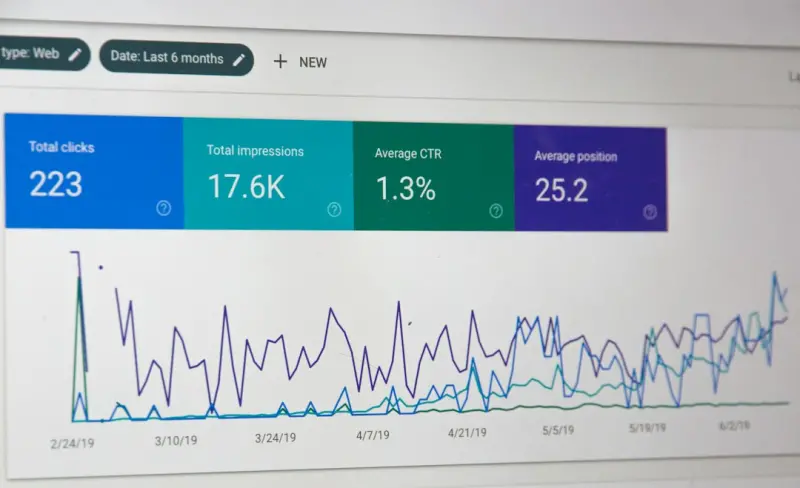
5. Continuously Measure Behavioral Signals
Set up a dashboard that tracks:
- Average session duration on key landing pages.
- Scroll depth (how far users scroll before exiting).
- Click‑through rates from SERP snippets, especially for featured snippets.
When you notice a dip in any of these metrics, treat it as an early warning sign. Revisit the page, update the data, improve the UX, or add new multimedia elements to re‑engage readers.
6. Iterate with “Zero‑Click SEO” Tactics
Even if a user never clicks your link, you can still capture value. By structuring content to answer a query concisely, you increase the chance of appearing in a featured snippet or “People also ask” box. These placements drive brand awareness and can funnel users later in the funnel via other channels. For a deeper dive, see our Zero‑Click SEO: Winning Visibility for SaaS post.
Case Study: Turning a Fluctuating Blog into a Predictable Lead Engine
One of our SaaS clients, a B2B project‑management platform, saw a 30 % traffic drop after a core update. Their blog was heavy on generic “how‑to” posts and thin product pages. Here’s how we applied the feedback‑loop framework:
- Intent Re‑Mapping: We identified high‑value intent clusters around “project ROI calculation” and “team collaboration metrics.”
- Data‑Driven Content: Each new article featured a downloadable calculator widget and a mini‑case study.
- Schema Integration: Implemented
SoftwareApplicationschema on product pages andFAQPageschema on the blog. - UX Enhancements: Reduced page load time by 0.7 seconds, added sticky navigation for related resources.
- Performance Monitoring: Tracked dwell time and scroll depth; observed a 45 % increase in average session duration.
Within three months, organic traffic rebounded to pre‑update levels, and the blog’s conversion rate rose by 22 %. The client now treats the feedback loop as a continuous optimization cycle rather than a one‑off fix.
Future‑Proofing Your SEO Strategy
Google’s algorithmic feedback loops are only getting more sophisticated. Upcoming signals may include:
- Multimodal Content Understanding: MUM can interpret a combination of text, video, and images. Ensure your content assets are interlinked and contextually aligned.
- Personalized SERPs: Google increasingly tailors results to individual search histories. Focus on building a brand identity that resonates across touchpoints.
- Privacy‑Centric Ranking Factors: As user data protections tighten, Google may reward sites that clearly communicate privacy policies and data handling practices.
By embedding the feedback loop mindset into your SEO workflow, you’ll stay ahead of these changes. Remember, the goal isn’t to chase every algorithmic tweak; it’s to build content that consistently serves real user needs, which, in turn, satisfies Google’s evolving criteria.
Action Checklist
Use this quick checklist to audit your current SaaS SEO assets against the feedback‑loop principles:
- ✅ Have you mapped content to a detailed intent hierarchy?
- ✅ Does each page include up‑to‑date, verifiable data?
- ✅ Are author bios and credentials prominently displayed?
- ✅ Have you implemented relevant schema markup?
- ✅ Do you monitor behavioral metrics beyond rankings?
- ✅ Are you optimizing for zero‑click SERP features?
Tick each box, and you’ll be well on your way to turning Google’s algorithmic feedback loops from a source of anxiety into a catalyst for sustainable growth.

Related Posts

Cracking the Passage Ranking Code: How Google Scans Your Content Paragraph by Paragraph
Google’s passage ranking now evaluates individual paragraphs for relevance, reshaping SEO for SaaS... Read More

Decoding Google’s Next‑Gen Algorithm: A SaaS Marketer’s Playbook
Google’s algorithm has evolved into an AI‑driven research assistant, rewarding deep, helpful con... Read More

The Evolution of Google Algorithms: What You Need to Know
Google algorithms have undergone significant changes over the years. Learn how to adapt your SEO str... Read More
Top Posts

How AI‑Driven Topic Clusters Are Redefining Modern SEO Strategy
Miranda Murphy reveals a fresh SEO approach: using AI‑generated topic clusters to organize content, improve relevance, and capture search intent like never be...Read More

LinkedIn SEO: Turning Your Professional Profile into a B2B Magnet
A deep dive into LinkedIn SEO, showing how to structure profiles, publish content, and use algorithmic signals to attract B2B SaaS prospects organically....Read More
Designing a Dynamic Content Strategy That Grows With Your Brand
A fresh approach to content planning that blends audience intent, modular pillars, and agile execution, ensuring your brand’s voice stays consistent while ada...Read More

Live Virtual Events: The Untapped Content Engine for SaaS Growth
Live virtual events aren’t just webinars—they’re the core of a dynamic content ecosystem. Learn how to design, execute, and repurpose events to boost SEO,...Read More
0 Comments
Post Comment
You will need to Login or Register to comment on this post!