
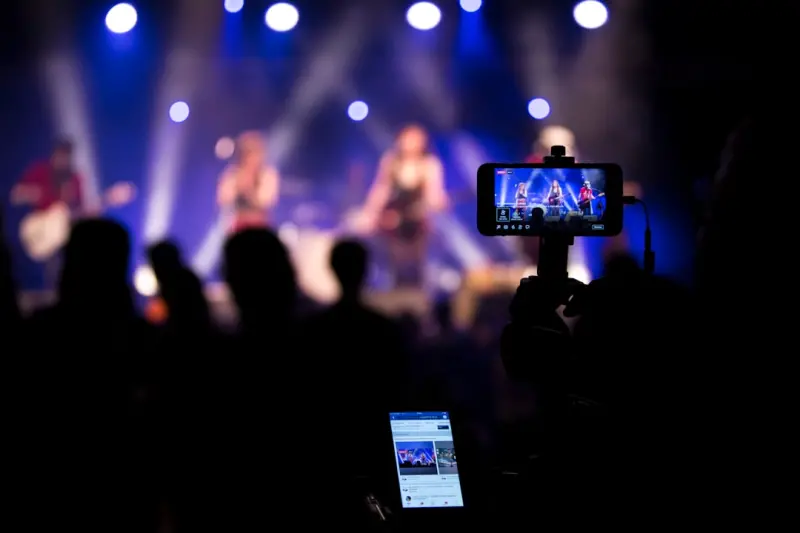
When I first started experimenting with webinars, I thought of them as a one‑off sales tool—a polished PowerPoint deck, a handful of slides, a few Q&A minutes, and then the funnel closed. Fast forward to today, and I’m still hosting live virtual events, but the way I think about them has completely flipped. They’re no longer a “talk‑and‑sell” moment; they’re the core of a living, breathing content ecosystem that fuels every piece of the SaaS marketing machine.
The Blind Spot in Traditional Content Funnels
Most SaaS marketers build a classic funnel: blog posts → gated e‑books → email nurture → demo request. It works, but it’s also a static pipeline that sputters when audience attention shifts. The problem isn’t the assets themselves—it’s the fact that they’re built in isolation, often with a single use‑case in mind, and then left to gather dust.
Imagine a piece of content that:
- Engages prospects in real time
- Generates fresh data for future campaigns
- Creates dozens of derivative assets with minimal extra effort
- Earns backlinks and social buzz organically
That’s the promise of a well‑orchestrated live virtual event. It’s the missing link that turns a static funnel into a dynamic, self‑reinforcing growth engine.
Why Live Virtual Events Are the New Content Engine
Live events hit three sweet spots simultaneously:
- Human Connection: In a world of endless text, hearing a voice, seeing a face, and interacting in real time builds trust faster than any blog post.
- Data Goldmine: Polls, chat questions, attendee demographics, and post‑event surveys give you a trove of first‑party insights that can inform product roadmaps, messaging, and future content topics.
- Evergreen Repurposing: A 60‑minute live session can be sliced into micro‑videos, turned into a downloadable slide deck, transcribed into a long‑form blog, or fed into a modular content engine that powers your entire site.
The key is to treat the event not as a standalone deliverable but as the nucleus of a content galaxy.
Designing an Event‑First Content Calendar
Start with the end in mind. Ask yourself:
- What core theme will anchor the event?
- Which audience segment are we targeting?
- What are the top three insights we want to surface?
- How will each insight become a standalone asset?
From there, map a six‑month calendar that alternates between live events, pre‑event hype, and post‑event repurposing. Here’s a simplified example:
- Month 1: Publish a thought‑leadership blog that teases the upcoming panel discussion.
- Month 2: Host the live event (60‑90 minutes) with a mix of product demos and industry expert interviews.
- Month 3: Release a transcript‑driven blog, a series of short clips for social, and a downloadable resource guide.
- Month 4: Run a follow‑up webinar that deep‑dives into the most asked questions from the first event.
- Month 5‑6: Leverage the accumulated data to create a research‑backed whitepaper, linking back to the original event recordings for SEO boost.
This cadence ensures you never run out of fresh content, and each piece reinforces the other, creating a virtuous loop.
Turning Event Recordings into Evergreen Assets
Recording is non‑negotiable. But raw footage isn’t enough. Here’s a systematic approach to extraction:
- Transcribe the audio. Use AI transcription services, then have a copy editor add timestamps and speaker tags.
- Identify “Gold Nuggets.” Highlight quotes, statistics, and anecdotes that stand alone as social snippets.
- Chunk the video. Break the full recording into 2‑5 minute segments that each cover a single sub‑topic.
- Create supporting assets. For each chunk, write a short blog post, design a slide deck, and draft an email teaser.
- Publish strategically. Release one chunk per week, linking back to the full recording and the original event landing page.
This method not only maximizes ROI on the original production cost but also feeds your SEO pipeline. Each new piece can target a specific long‑tail keyword, and the internal linking structure points back to the authoritative event page.
Amplifying Reach Through Community Partnerships
One of the most underrated tactics is to invite co‑hosts or guest speakers who already command engaged communities. When they share the event with their audience, you instantly tap into a new funnel without paying for ads. It’s a form of organic link building that aligns perfectly with the research‑first link building mindset: you provide valuable, data‑rich content that other sites are eager to reference.
To make this work, follow a simple three‑step framework:
- Identify niche thought leaders whose audience overlaps with yours but isn’t identical.
- Offer reciprocal value. Provide them a platform to showcase their expertise while you gain exposure.
- Co‑create pre‑event content. Publish joint blog posts or podcasts that tease the event, each linking back to the other’s site.
When the event goes live, both parties promote it, and post‑event assets continue to circulate, driving backlinks and referral traffic for months.
Measuring Impact: The KPI Dashboard That Matters
Live events generate a flood of metrics, but not all are equally actionable. Focus on the following core KPIs:
| Metric | Why It Matters |
|---|---|
| Live Attendance Rate | Indicates the effectiveness of pre‑event promotion and audience interest. |
| Engagement Score (polls, Q&A, chat) | Higher engagement correlates with deeper brand affinity and higher post‑event conversion. |
| On‑Demand Views (30‑day window) | Shows the evergreen value of the recording. |
| Derived Asset Performance (CTR, time on page) | Measures how well each repurposed piece resonates. |
| Backlink Growth | Tracks the SEO impact of partner and community mentions. |
Set up a monthly reporting cadence that aggregates these data points. Use the insights to refine the next event’s format, topics, and promotion tactics.
Integrating Event Content with SEO and Link Building
Every piece of post‑event content should be SEO‑optimized from day one. Here’s a quick checklist:
- Keyword Mapping. Assign a primary keyword to each asset (e.g., “SaaS onboarding best practices” for a 5‑minute clip on onboarding).
- Schema Markup. Add
VideoObjectandArticleschema to the event page and each derived asset to help search engines understand the content hierarchy. - Internal Linking. Ensure every new blog post, slide deck, or video links back to the original event landing page, consolidating authority.
- External Outreach. Pitch the most data‑rich segments to industry publications, offering exclusive quotes or charts. This fuels the backlink engine.
By treating the event as the hub of a SEO‑centric content hub, you amplify its impact far beyond the live audience.
Practical Checklist: Launching Your First Event‑Driven Content Engine
- Define the Core Pillar. Choose a topic that solves a pressing problem for your ideal customer profile.
- Secure Speakers & Partners. Line up at least one external thought leader and a product champion from your team.
- Build the Landing Page. Include a clear value proposition, speaker bios, and an early‑bird registration form.
- Promote 3‑Weeks Out. Use email, LinkedIn posts, and partner cross‑promotion. Tease a data point to spark curiosity.
- Run a Live Rehearsal. Test audio, video, and interactive elements (polls, Q&A).
- Host the Event. Capture recordings, poll results, and chat logs.
- Transcribe & Segment. Follow the workflow outlined earlier.
- Publish Repurposed Assets. Stagger releases over the next 8‑12 weeks.
- Outreach for Links. Pitch the most compelling data to relevant blogs and news sites.
- Analyze & Iterate. Review KPI dashboard and adjust the next event’s format.
Stick to this rhythm for two cycles, and you’ll have a self‑sustaining content machine that continually feeds the funnel, boosts SEO, and deepens customer relationships.
The Bottom Line
Content marketing has long been a battle of volume versus relevance. Live virtual events give you the rare chance to win both. They deliver real‑time human connection, generate fresh data for research‑first link building, and, when sliced and diced properly, become a modular repository of evergreen assets that power your SEO and demand generation for months to come.
If you’re still treating webinars as a one‑off tactic, you’re leaving massive upside on the table. Flip the script, make the event the engine, and watch your SaaS brand’s content ecosystem shift from stagnant to self‑propelling.

Related Posts

From Passive Reading to Active Co‑Creation: How Interactive Content Is Redefining SaaS Marketing
A deep dive into why static content no longer cuts it for SaaS marketers and how interactive experie... Read More
The Evolution of Content Marketing: Navigating the Shifting Landscape
Content marketing has undergone significant changes in recent years. Learn how to adapt your strateg... Read More
The Future of Content Marketing: Navigating the Shifting Landscape
The future of content marketing is rapidly evolving. Learn how to navigate the shifting landscape an... Read More
Top Posts

The Rise of Privacy‑First Micro‑Personalization in B2B Content
Privacy‑first micro‑personalization blends first‑party data, AI segmentation, and interactive formats to deliver hyper‑relevant B2B content, building tr...Read More
Decoding MUM: How Multimodal Search Is Redefining SEO Strategy
Discover the impact of Google’s MUM on SEO and learn actionable steps to create multimodal content that wins rankings in the new search landscape....Read More

Prompt Engineering: The Secret Sauce Behind Scalable SaaS Storytelling
Discover how prompt engineering can become the backbone of your SaaS content strategy, turning AI-generated drafts into on‑brand, high‑performing assets wit...Read More
Crafting a Cohesive Storytelling Framework for Multi‑Platform Social Media Success
Discover a step‑by‑step framework to turn fragmented posts into a unified brand story that resonates across every social platform, boosting loyalty and resu...Read More
0 Comments
Post Comment
You will need to Login or Register to comment on this post!