
Why a Living Content Blueprint Beats a Static Calendar
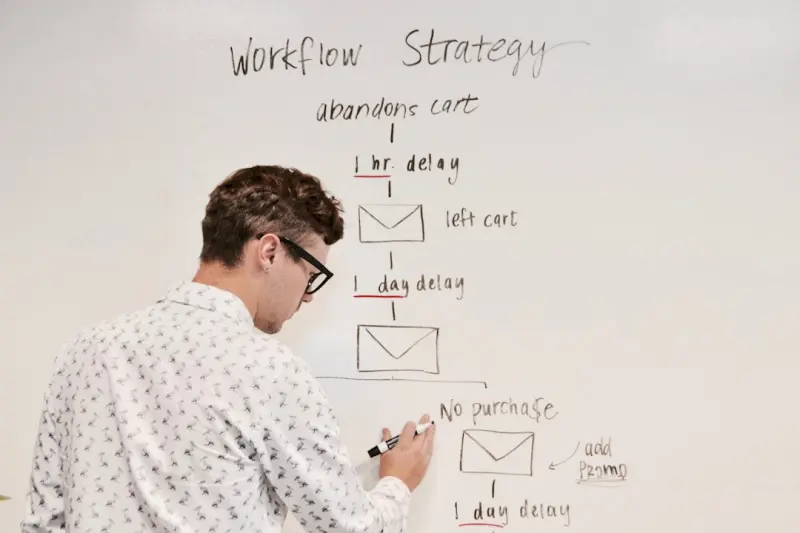
Most brands still treat their editorial calendar like a set‑in‑stone contract, updating it only when a crisis forces a change. In reality, audience interests, search algorithms, and platform nuances evolve daily, so a content strategy must be dynamic enough to pivot without missing momentum. By viewing your plan as a living blueprint rather than a fixed schedule, you create space for real‑time data to inform topics, formats, and distribution channels, ultimately keeping your voice relevant and your funnel full.
Mapping Audience Intent Before You Write a Word
The first step in a truly adaptive strategy is a deep dive into the layers of user intent that drive each search, scroll, or swipe. Instead of guessing which keywords will rank, map out the questions, problems, and aspirations that sit behind those queries, then cluster them into primary, secondary, and long‑tail intent buckets. This intent matrix becomes the north star for every piece of content, ensuring that each asset speaks directly to a need rather than merely filling a keyword quota.
Building Modular Content Pillars That Scale
Once intent is mapped, group related topics into a handful of robust content pillars—broad themes that can support dozens of sub‑topics, formats, and updates. Think of each pillar as a reusable framework: a core article, an infographic, a short video, and a series of social snippets, all linked together by a consistent narrative thread. This modular approach lets you expand depth without reinventing the wheel, and it provides a clear hierarchy that search engines love for contextual relevance.
From Pillars to Micro‑Assets: The Repurposing Engine
Every pillar should feed a cascade of micro‑assets that can be deployed across the channels your audience frequents. A comprehensive guide can become a podcast episode, a carousel of quote graphics, a quick‑fire TikTok tip, and even an email series—all while preserving the original SEO value. By planning repurposing at the inception stage, you maximize content ROI and maintain a steady stream of fresh touchpoints without the overhead of constant new creation.
Cross‑Channel Orchestration for Consistent Brand Voice
Consistency is more than style guidelines; it’s about delivering the same core message in formats that feel native to each platform. Align your pillar themes with platform‑specific best practices—long‑form posts on LinkedIn, bite‑size videos on Instagram Reels, and discussion‑driven threads on X—while retaining the underlying narrative. This orchestration not only reinforces brand authority but also signals to algorithms that your content ecosystem is cohesive and trustworthy.
Data‑Driven Measurement That Fuels the Loop
Traditional vanity metrics like likes and shares tell only part of the story; to keep the blueprint alive, integrate intent‑focused KPIs such as time‑to‑conversion, query‑level click‑through rates, and content‑specific bounce reduction. Set up a dashboard that visualizes how each pillar and its micro‑assets perform against these metrics, then schedule quarterly reviews to reallocate resources toward the highest‑impact topics. This feedback loop turns raw data into actionable insight, driving continuous improvement.
Agile Workflow: Sprints, Stand‑Ups, and Stakeholder Alignment
Adopting an agile framework for content production mirrors the speed at which digital audiences consume information. Break the year into two‑week sprints, assign clear owners for research, creation, and distribution, and hold brief stand‑ups to surface blockers early. By keeping stakeholders in sync through shared sprint boards, you reduce bottlenecks and ensure that every piece of content aligns with the current intent matrix and pillar strategy.
Technology Stack That Supports Flexibility
Modern content teams need tools that enable collaboration, SEO insight, and rapid publishing across formats. Combine a headless CMS for content modularity, an AI‑assisted research platform for intent discovery, and a robust analytics suite that ties performance back to pillar goals. When each tool talks to the next via APIs, you eliminate manual handoffs and free up creative energy for higher‑order strategy work.
Future‑Proofing: Anticipating Trends Without Chasing Fads
While the digital landscape is volatile, a well‑structured pillar system gives you the agility to experiment without losing direction. Use emerging trend alerts—like new search features or platform algorithm updates—as triggers to spin up quick test assets within existing pillars, then evaluate performance against your intent‑based KPIs. This measured approach lets you ride the wave of innovation while staying anchored to your brand’s core narrative.
Putting It All Together: A Call to Action for Strategic Growth
If you’re ready to replace static calendars with a living content blueprint, start by auditing your existing assets against the intent matrix and reorganizing them into clear pillars. From there, map out a repurposing schedule, set up an agile sprint cadence, and integrate the measurement dashboard that will keep the loop turning. For a deeper dive into how boosting visibility with featured snippets can amplify pillar authority, or learn why a systematic content refresh is essential for long‑term relevance, explore those guides and apply the tactics to your own strategy. The result? A resilient, data‑driven content engine that grows with your brand and consistently delivers audience value.

Related Posts

From Hypothesis to Headline: Building a Content Experimentation Engine for SaaS Growth
Discover how to shift your SaaS content strategy from static publishing to a rapid‑cycle experimen... Read More
The Future of Content Strategy: Navigating the Shifting Landscape
The future of content strategy is about creating experiences that engage, educate, and inspire your ... Read More

Content Strategy in the Age of AI: How to Stay Ahead of the Curve
Content strategy in the age of AI requires adapting to the latest trends and technologies. Learn how... Read More
Top Posts

When Play Meets Tech: The Unexpected Impact of AI‑Enhanced Toys on Learning and Creativity
AI‑enhanced toys turn playtime into a personalized learning adventure, offering adaptive challenges, emotional feedback, and safe data practices that delight ...Read More

From Static Posts to Dynamic Experiences: Rethinking Content Marketing
I dive into the shift from ordinary blog posts to immersive, AI‑driven storytelling, sharing practical steps to craft interactive content that resonates, adap...Read More

SaaS SEO: Structured Data & Intent Clustering
Discover how SaaS marketers can leap beyond keyword basics by clustering user intent, layering advanced schema markup, and building a strategic internal linking...Read More

Decoding Google’s Algorithmic Evolution: From Hidden Signals to Real‑Time Ranking
A deep dive into Google’s ever‑changing algorithm, revealing unseen ranking signals, AI-driven intent decoding, and actionable steps to future‑proof your ...Read More
0 Comments
Post Comment
You will need to Login or Register to comment on this post!