

Why Semantic Clusters and Smart Internal Links Are the Secret Sauce for WordPress SEO
When I first cut my teeth on WordPress, the mantra was “keyword‑rich content = higher rankings.” That worked – until the algorithm started rewarding context over sheer volume. Today, the real power lies in how you organize your content and whisper the right signals to Google’s crawlers. In this post I’ll walk you through the why and how of building semantic clusters and a purpose‑driven internal linking architecture that can turn an ordinary WordPress site into a ranking powerhouse.
The problem with the “one‑page‑one‑keyword” mindset
Many WordPress owners still treat each post as an isolated island, each optimized for its own primary keyword. The result? You end up with a forest of thin, overlapping pages that compete against each other for the same SERP real estate. Google, however, sees this as a lack of depth and often consolidates the authority into a single, more comprehensive page – leaving the rest to fade into oblivion.
Semantic clustering solves that by grouping related topics under a pillar page and supporting pages that dive deeper into sub‑topics. This mirrors how humans think and how Google’s LLM‑driven ranking signals interpret relevance.
Step 1: Identify Core Topics (Your Pillars)
Start by mapping the high‑level themes that define your business. For a SaaS company, these might be “Data Security,” “Automation Workflows,” and “User Onboarding.” For a B2B service, perhaps “Compliance Consulting,” “Enterprise Integration,” and “Digital Transformation.”
- Use tools like Answer The Public or Google Trends to surface the most common questions around each theme.
- Look at your own site analytics: which pages already attract the most traffic? Those are natural candidates for pillars.
- Validate search intent – are users looking for informational guides, product comparisons, or how‑to tutorials?
Once you have 3‑5 pillars, create a dedicated WordPress page for each. These pages should be long‑form, covering the breadth of the topic, and they’ll become the hub for the cluster.
Step 2: Build Supporting Content That Explores Sub‑Topics
Each pillar should have 8‑12 supporting articles that answer specific questions or dive into niche aspects. For a pillar on “Data Security,” supporting posts could include “How to Encrypt Data in Transit,” “Best Practices for Password Policies,” and “Understanding GDPR for SaaS.”
When you write these posts, focus on semantic relevance rather than exact keyword matching. Sprinkle synonyms, related entities, and natural language phrases that reflect the user’s mental model. This helps Google’s topic models recognize the cluster as a cohesive knowledge base.
Step 3: Design a Logical Internal Linking Structure
The magic of clustering only works if Google can see the connections. Here’s a simple rule of thumb: every supporting article must link back to its pillar, and the pillar should link out to each supporting article. This creates a two‑way flow of link equity.
- Top‑down links: From the pillar, use a “Read More” or “Related Articles” section that lists each supporting post.
- Bottom‑up links: Within each supporting article, embed contextual links back to the pillar when you reference the broader concept.
- Cross‑cluster links: When a sub‑topic naturally overlaps another pillar, add a link to the relevant supporting article in the other cluster. This mirrors the web of knowledge users traverse.
Implement these links with WordPress’s native editor or a lightweight plugin that lets you add rel="noopener" attributes for external references. Keep the anchor text descriptive but concise – avoid generic “click here.”
Step 4: Leverage Schema Markup to Amplify Cluster Signals
Once your clusters are in place, use structured data to tell search engines exactly what each page represents. The FAQ and HowTo schemas are perfect for supporting articles, while the Article schema works well for pillars.
Why does this matter? Schema can surface rich results like “People also ask” or “Steps” directly in the SERP, increasing click‑through rates without any extra effort. Moreover, Google sees the semantic markup as a reinforcement of the topic clusters you’ve built.
Step 5: Monitor Crawl Efficiency and Adjust as Needed
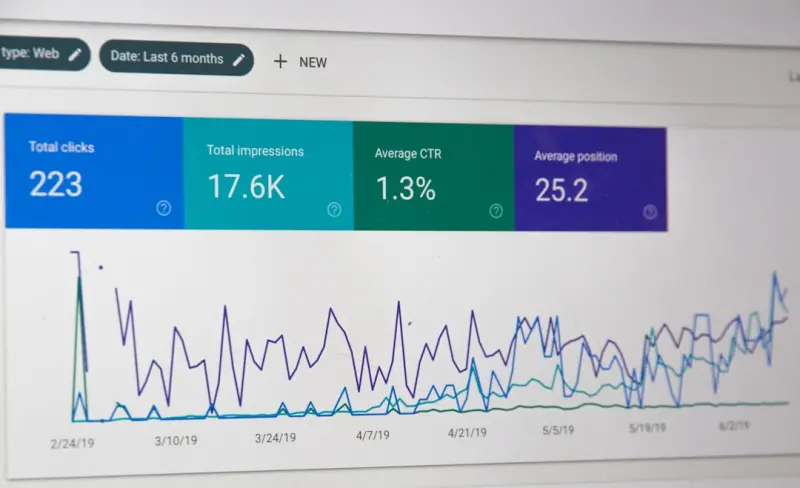
Even the best internal linking strategy can falter if Google’s bots can’t reach your pages efficiently. Check your crawl budget health in Google Search Console. If you notice important supporting articles receiving few impressions, it may be a sign that the internal linking depth is too great or that there are orphan pages.
Tips to keep crawlers happy:
- Keep your URL hierarchy shallow – aim for no more than three clicks from the homepage to any supporting article.
- Use a clear breadcrumb trail so both users and bots understand the site structure.
- Regularly audit for broken links with a plugin or external service; a 404 can waste crawl budget.
Step 6: Measure Success with Topic‑Centric Metrics
Traditional SEO metrics (rankings for a single keyword) don’t capture the full impact of clustering. Instead, track:
- Organic traffic to pillar pages – a rise here usually indicates the cluster is gaining authority.
- Average position for related long‑tail queries – you should see improvements across many variations.
- Internal link click‑through rates – high CTR on “Read More” sections shows users are navigating the cluster.
- Time on page and scroll depth for pillar pages – deeper engagement signals relevance.
Set up a custom report in Google Data Studio or Looker Studio that aggregates these metrics by pillar. Over time, you’ll be able to spot which clusters need more supporting content or stronger internal linking.
Common Pitfalls and How to Avoid Them
1. Over‑clustering. It’s tempting to create a pillar for every niche term, but too many clusters dilute authority. Stick to a handful of core topics that truly reflect your business’s expertise.
2. Thin supporting content. A supporting article that merely repeats the pillar’s content offers little value. Aim for at least 800‑1,200 words of original insight, data, or case studies.
3. Ignoring user intent. Semantic clusters succeed when they match the questions users are actually asking. Use search console data to fine‑tune the sub‑topics you cover.
4. Forgetting to update. As your product evolves, revisit pillar pages and supporting content to keep information current. Freshness is a known ranking factor for many topics.
Bonus: Combine Clusters with Content Repurposing
Once your clusters are mature, you have a treasure trove of material to repurpose into webinars, slide decks, or even an e‑book. This not only extends the lifespan of your SEO effort but also creates additional inbound links when external sites reference your comprehensive resources.
Wrapping Up
Semantic clustering isn’t a buzzword – it’s a proven framework that aligns your WordPress site with the way search engines understand knowledge. By thoughtfully mapping pillars, crafting deep supporting content, and wiring everything together with purposeful internal links, you give Google a clear, authoritative map of your expertise.
Start small, iterate, and watch the rankings cascade across the entire topic. Your WordPress site will go from a collection of isolated pages to a cohesive, authority‑driven hub that both users and search engines love.

Related Posts

The Secret Sauce of WordPress Taxonomy for SEO Dominance
A deep dive into why taxonomy architecture is the unsung hero of WordPress SEO, offering actionable ... Read More
Supercharging WordPress SEO with Taxonomies, Schema, and AI‑Driven Content Planning
Discover a systematic approach to WordPress SEO that combines custom taxonomies, structured data, an... Read More

Supercharge Your WordPress Site with Core Web Vitals and SEO Best Practices
Learn a step‑by‑step WordPress SEO blueprint that blends Core Web Vitals, smart block editor usa... Read More
Top Posts

The Evolution of Link Building: Strategies to Stay Ahead of the Curve
Link building is a critical component of SEO. Learn how to stay ahead of the curve with high-quality backlinks, linkable content, and the latest trends in Googl...Read More
Why Employee Advocacy Is the Missing Link in SaaS Content Marketing
Learn why empowering engineers, support staff, and other internal experts to share their stories can close the trust gap, improve SEO, and drive qualified leads...Read More

Employee Advocacy: The Untapped Engine Driving Authentic Content Marketing
Employee advocacy transforms every team member into a brand ambassador, delivering authentic, trust‑based content that drives engagement, high‑quality leads...Read More

Headless WordPress SEO: Turning Decoupled Architecture into Ranking Power
A practical guide to leveraging headless WordPress for SEO, covering crawlability, URL structure, dynamic meta tags, CDN strategies, and real‑world results....Read More
0 Comments
Post Comment
You will need to Login or Register to comment on this post!