

The Evolution of Technical SEO: A Comprehensive Guide
The world of technical SEO is constantly evolving, with new trends and best practices emerging every year. As a seasoned SEO expert, I've seen firsthand the impact that technical SEO can have on a website's online presence. In this article, I'll share my insights on the evolution of technical SEO and provide a comprehensive guide on how to stay ahead of the curve.
The Early Days of Technical SEO
In the early days of SEO, technical SEO was all about optimizing website infrastructure to improve crawlability and indexing. This included tasks such as optimizing meta tags, header tags, and internal linking. However, as search engines like Google continued to evolve, so did the field of technical SEO. Today, technical SEO encompasses a wide range of activities, from optimizing website speed and mobile responsiveness to ensuring accessibility and security.
The Rise of Mobile-First Indexing
One of the most significant developments in technical SEO has been the rise of mobile-first indexing. With more and more users accessing websites on their mobile devices, Google has shifted its focus to mobile-first indexing. This means that websites are now crawled and indexed based on their mobile version, rather than their desktop version. To ensure that your website is optimized for mobile-first indexing, it's essential to have a responsive design that adapts to different screen sizes and devices. For more information on mobile SEO, check out my previous article on The Evolution of Mobile SEO: A Comprehensive Guide.
The Importance of Page Speed
Page speed has become an increasingly important factor in technical SEO. With Google's algorithm prioritizing fast-loading websites, it's essential to optimize your website's page speed. This can be achieved by compressing images, minifying CSS and JavaScript files, and leveraging browser caching. A fast-loading website not only improves user experience but also helps to improve search engine rankings.
The Role of Accessibility in Technical SEO
Accessibility has become a critical aspect of technical SEO. With more and more users accessing websites on different devices, it's essential to ensure that your website is accessible to everyone. This includes tasks such as adding alt text to images, providing closed captions for videos, and ensuring that your website is navigable using a keyboard. By prioritizing accessibility, you can not only improve user experience but also increase your website's online presence.
The Future of Technical SEO
So, what does the future of technical SEO hold? As search engines continue to evolve, we can expect to see new trends and best practices emerge. One area that's likely to see significant growth is voice search optimization. With the rise of voice assistants like Siri and Google Assistant, optimizing for voice search is becoming increasingly important. For more information on voice search optimization, check out my previous article on Optimizing for Voice Search: The Future of Technical SEO.
Staying Ahead of the Curve
To stay ahead of the curve in technical SEO, it's essential to stay up-to-date with the latest trends and best practices. This includes attending industry conferences, reading industry blogs, and participating in online communities. By staying informed, you can ensure that your website is optimized for the latest search engine algorithms and trends.
The Intersection of Technical SEO and Content Strategy
Technical SEO and content strategy are closely intertwined. A well-optimized website is essential for getting your content seen by search engines, while high-quality content is essential for driving engagement and conversions. By prioritizing both technical SEO and content strategy, you can create a powerful online presence that drives real results. For more information on content strategy, check out my previous article on The Intersection of Content and Collectibility: Emerging Trends in the Digital Age.
Conclusion
In conclusion, technical SEO is a constantly evolving field that requires ongoing effort and attention. By prioritizing mobile-first indexing, page speed, accessibility, and voice search optimization, you can stay ahead of the curve and improve your website's online presence. Remember to stay informed, prioritize both technical SEO and content strategy, and continually monitor and adjust your strategy to ensure that your website is optimized for the latest search engine algorithms and trends.
Final Tips and Recommendations
To summarize, here are some final tips and recommendations for technical SEO:
- Prioritize mobile-first indexing and responsive design
- Optimize page speed by compressing images and minifying files
- Ensure accessibility by adding alt text and closed captions
- Stay informed about the latest trends and best practices
- Prioritize both technical SEO and content strategy
By following these tips and recommendations, you can create a powerful online presence that drives real results.

Jimmy Anand is a content creator that gets inspired by many aspects of life, internet or whatever inspires him at that moment. When he's not online he's gaming and when he is not gaming he is online trolling discussion boards.
Related Posts

Technical SEO Reimagined: An Empathy‑First Playbook for Sustainable Rankings
Learn why viewing crawl budgets, schema, and site speed through an empathy lens can supercharge your... Read More

Reading the Engine: How Log File Analysis Transforms Technical SEO
Log files are the untapped GPS for your site’s SEO health. This post shows how to extract, interpr... Read More
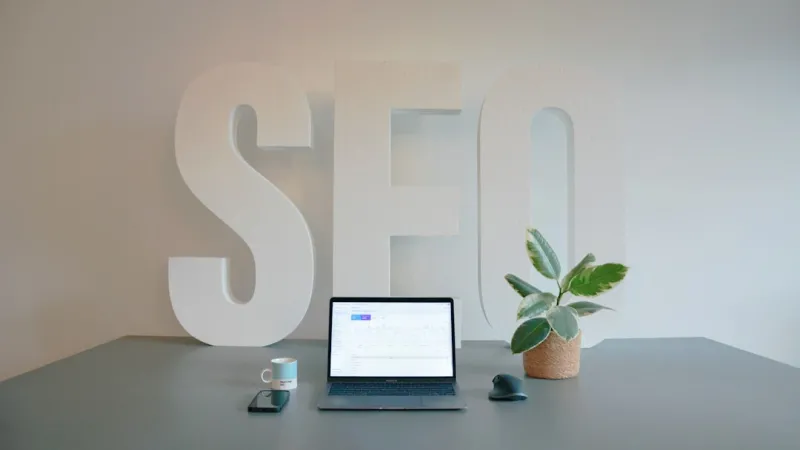
The Evolution of Technical SEO: Staying Ahead in a Changing Landscape
Technical SEO is rapidly evolving, and staying ahead requires a deep understanding of the latest tre... Read More
Top Posts

The Hyperlocal Playbook: How Neighborhood Signals Drive SEO Success
A detailed guide shows how to map micro‑neighborhoods, craft location‑specific content, leverage schema, and build community partnerships to dominate local ...Read More

Turn Competitor Gaps Into SEO Gold: A Tactical Playbook
Learn a step‑by‑step method to uncover competitor SEO gaps, prioritize high‑impact opportunities, and turn those insights into ranking‑boosting content ...Read More

The Art of Link Building: Strategies to Boost Your Online Presence
Link building is a crucial aspect of SEO that can help you boost your online presence and drive more traffic to your website. Learn the art of link building and...Read More

Zero‑Click Search: How SaaS Brands Can Capture Traffic Directly from SERPs
Zero‑click SEO is reshaping how SaaS businesses attract prospects. This guide shows how to earn featured snippets, tables, and other SERP features, turn them ...Read More
0 Comments
Post Comment
You will need to Login or Register to comment on this post!