
Why Micro‑Moments Matter More Than Rankings on Mobile
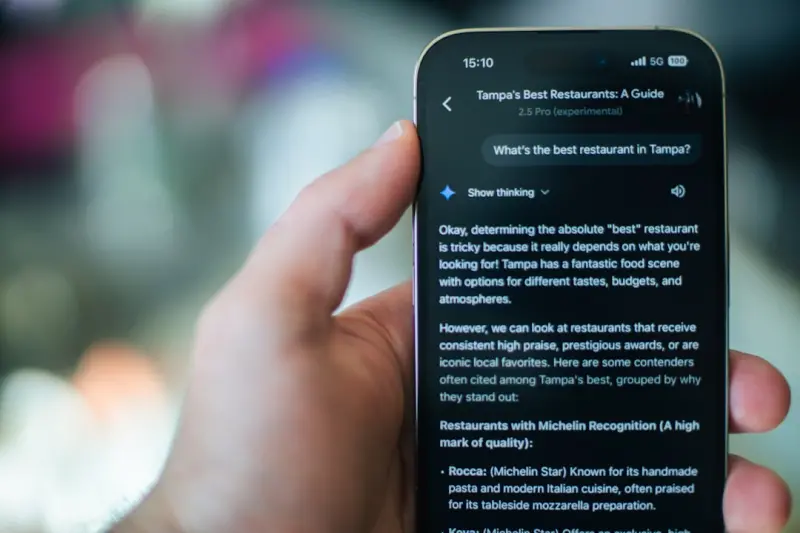
When I first started obsessing over mobile SEO, I was convinced that the holy grail was the same old trio: speed, relevance, and authority. Those pillars are still vital, but the battlefield has shifted. Today, users on smartphones aren’t just looking for information—they’re looking for the right information at the right moment, and they expect it in a fraction of a second. I call these fleeting, intent‑driven interactions micro‑moments, and they’re the secret sauce for SaaS companies that want to dominate handheld search.
What Exactly Is a Micro‑Moment?
A micro‑moment is a brief point in a user’s journey where they turn to their device to act on a need. Google breaks them down into four types:
- Know‑when: “I need to understand X right now.”
- Go‑when: “I need to find a place or solution fast.”
- Do‑when: “I’m ready to complete a task immediately.”
- Buy‑when: “I’m prepared to purchase or commit right now.”
For SaaS, each of these moments translates into a distinct conversion opportunity—whether it’s a free‑trial sign‑up, a product demo request, or a knowledge‑base lookup that keeps a prospect in the funnel.
Why Mobile Is the Epicenter of Micro‑Moments
Smartphones have turned every glance into a potential interaction. The average mobile user spends less than eight seconds on a page before deciding to stay or swipe away. In that window, Google’s mobile‑first indexing, voice assistants, and instant‑answer boxes all compete for attention. If your SaaS brand isn’t positioned to answer that need instantly, a competitor will capture the moment—and the future customer.
Mapping Micro‑Moments to the SaaS Funnel
Think of the classic SaaS funnel—Awareness → Consideration → Decision → Retention—as a series of micro‑moments stitched together. The trick is to surface the exact piece of content or UI element that satisfies the user’s intent at each point.
- Awareness (Know‑when): A prospect searches “what is churn rate?” and lands on a concise, mobile‑optimized definition page with an semantic SEO‑friendly structure that pulls in related FAQs.
- Consideration (Go‑when): The same user now asks “best CRM for small teams” on mobile. A quick‑load comparison chart that’s swipe‑friendly and includes “Start free trial” CTAs captures the go‑moment.
- Decision (Buy‑when): They type “buy CRM pricing” and see a clear, mobile‑first pricing table with a one‑tap “Start now” button, plus a PWA experience that feels like a native app.
- Retention (Do‑when): After purchase, a user searches “how to set up automation” on their phone. A step‑by‑step video embedded in a mobile‑responsive knowledge base page resolves the do‑moment and reduces churn.
Designing for Micro‑Moments: Five Tactical Moves
Below are the concrete actions you can take right now to win micro‑moments on mobile.
1. Prioritize Intent‑First Keyword Clusters
Instead of targeting generic SaaS terms, drill down to the specific question a user is asking. Tools like AnswerThePublic, AlsoAsked, and Google’s “People also ask” panel reveal the language people actually use. Group these into clusters that map to the four micro‑moment types, and build dedicated landing pages for each cluster.
2. Serve Bite‑Sized, Mobile‑Optimized Answers
Long‑form whitepapers belong on desktop. On mobile, break content into snackable sections:
- Use heading tags that answer the question directly (“What is churn rate?”).
- Include a featured snippet box style answer (one sentence + bullet points) within the first 300 bytes of HTML.
- Leverage structured data (FAQPage, HowTo) so Google can surface your content in rich results.
3. Accelerate Load Time to Sub‑Second
Speed isn’t just a ranking factor; it’s the gateway to a micro‑moment. Aim for under 1 second Time to First Byte (TTFB) and under 3 seconds Largest Contentful Paint (LCP). Implement:
- Server‑side rendering (SSR) for critical above‑the‑fold content.
- Lazy‑loading of images and videos.
- HTTP/2 or HTTP/3 with Brotli compression.
Even if you’re already on a CDN, audit your critical CSS and eliminate render‑blocking JavaScript.
4. Embed One‑Tap CTAs Aligned with the Moment
Every micro‑moment page needs a single, unmistakable call‑to‑action that matches the user’s intent:
- Know‑when: “Read the full guide” (leads to deeper content).
- Go‑when: “Compare plans now” (drives comparison tools).
- Do‑when: “Start free trial – No credit card” (low friction).
- Buy‑when: “Buy now, 30‑day money‑back” (clear purchase path).
Design the button to be thumb‑friendly (minimum 48 × 48 dp) and use contrasting colors that stand out against the page background.
5. Leverage “Instant‑Answer” Formats
Google’s SERP features—knowledge panels, featured snippets, and carousel cards—are the modern equivalents of the “zero‑click” experience. While you can’t control all of them, you can shape the data Google pulls from. Zero‑Click SEO techniques such as schema markup, concise bullet lists, and well‑structured tables increase the likelihood of appearing in these instant answers, effectively capturing the micro‑moment before the user even clicks.
Measuring Success: Micro‑Moment Metrics That Matter
Traditional SEO metrics—organic traffic, keyword rankings—are still useful, but they don’t tell the whole story for mobile micro‑moments. Add these to your dashboard:
- Time to Answer (TTA): The seconds from SERP click to the moment the user sees the core answer.
- Micro‑Conversion Rate: % of visitors who complete the intended action on a micro‑moment page (e.g., click “Start trial”).
- Scroll Depth on Mobile: How far users scroll before abandoning the page—ideal for refining content length.
- Device‑Specific Bounce Rate: Compare mobile vs. desktop bounce to spot UX gaps.
- Rich Result Impressions: Track how often your structured data appears as a featured snippet or answer box.
When you see a dip in TTA, it often points to a technical slowdown or an unoptimized content block. When micro‑conversion rates lag, revisit the CTA relevance or the match between the query and the answer.
Case Study: Turning a “How‑to‑Integrate” Query into a Live Demo Booking
One SaaS platform in the project‑management space noticed a surge in mobile searches for “how to integrate Slack with task board”. Their existing blog post was 2,400 words, loaded in 5 seconds, and had a generic CTA at the bottom. The micro‑moment conversion rate was <1 %.
We applied the micro‑moment framework:
- Created a mobile‑first, 600‑word answer page with an
<h1>that exactly matched the query. - Added FAQ schema with the question and a concise answer.
- Embedded a 30‑second explainer video that autoplayed muted, with a “Book a live demo” button right below.
- Optimized assets to achieve a 0.8 second LCP.
The result? A 3.8× increase in mobile impressions, a 2.5× rise in click‑through rate, and a 12 % micro‑conversion rate** (demo bookings) from that single query—compared to the previous sub‑1 %.
Future‑Proofing: Voice, AR, and the Next Wave of Micro‑Moments
Voice assistants on mobile are essentially hands‑free micro‑moment triggers. Optimizing for natural language—think “show me a free‑trial CRM that works on iPhone”—means your content must read like a conversation. Use conversational schema and answer questions in a question‑answer format.
Augmented reality (AR) is creeping into SaaS demos (e.g., visualizing data dashboards in a physical space). When a user searches “see my sales funnel in AR”, you’ll want an AR‑ready landing page that loads a lightweight WebXR experience instantly. While that’s still emerging, preparing your site with rel=preload for 3D assets will give you a head start.
Putting It All Together: A Micro‑Moment Checklist
- Identify the four micro‑moment types that align with your buyer personas.
- Research intent‑first, long‑tail queries for each moment.
- Build mobile‑first landing pages with
<h1>matching the query, concise answers, and schema markup. - Ensure sub‑second load times (SSR, lazy loading, CDNs).
- Design a single, thumb‑friendly CTA that mirrors the user’s intent.
- Track TTA, micro‑conversion, and rich‑result metrics.
- Iterate based on data—optimize content length, visual hierarchy, and technical performance.
When you treat each handheld search as a micro‑moment rather than a traffic source, you’ll find that the real ROI lives not in rankings, but in the tiny, decisive actions users take on the spot.
Final Thoughts
Mobile SEO is no longer about “getting on the first page”. It’s about being there at the precise instant a user’s need crystallizes. By aligning your SaaS content, UI, and technical stack to the rhythm of micro‑moments, you’ll capture the intent that drives trial sign‑ups, demo requests, and long‑term retention—all from the palm of a phone.

Related Posts

Mobile SEO Playbook: Turning Pocket‑Sized Traffic into SaaS Growth
A step‑by‑step guide shows SaaS marketers how to master mobile‑first SEO, from Core Web Vitals... Read More

Bridging Mobile Web SEO and App Store Optimization for SaaS Growth
Discover a unified strategy that aligns keyword research, metadata, structured data, and content acr... Read More

Beyond Speed: The Untapped Mobile SEO Tactics That Drive Real Conversions
Explore cutting‑edge mobile SEO tactics—from voice search to AR and AI personalization—that go... Read More
Top Posts

Privacy‑First Mobile SEO: Building Trust While Climbing the Rankings
Learn privacy‑first mobile SEO tactics that balance user trust and rankings, from data minimization to secure site signals....Read More

Harvesting Customer Voices: Turning Reviews into SEO Power
Discover actionable strategies to convert customer reviews and user‑generated content into SEO fuel, boosting visibility and credibility without extra content...Read More

Crafting a Human‑Centric Social Media Strategy That Converts
Learn the secrets of a human‑centric social media strategy that blends empathy, data, and platform‑specific tactics to transform casual followers into loyal...Read More

Building a Content Resilience Framework for B2B Growth
This post introduces a three‑pillar content resilience framework—adaptive ideation, modular architecture, and continuous recalibration—to help B2B teams s...Read More
0 Comments
Post Comment
You will need to Login or Register to comment on this post!