
Why Zero‑Click Search is the New Frontier for SaaS
When I first started dissecting Google’s SERPs, I thought the battle was all about getting the coveted #1 spot and then waiting for the clicks to roll in. Fast forward a few years, and the landscape has morphed into a series of “instant answers,” knowledge panels, and featured snippets that hand users the information they crave without them ever leaving the page. For SaaS businesses, this isn’t a threat—it’s a massive opportunity. If you can own a zero‑click real‑estate, you’re already top‑of‑mind before a prospect even clicks “Learn More.”
Understanding the Zero‑Click Phenomenon
Zero‑click search refers to any SERP result that satisfies a user’s query directly on the results page. Think of it as a digital billboard that delivers the message before anyone steps onto your website. The most common formats include:
- Featured Snippets – concise answers extracted from a page.
- People Also Ask (PAA) – expandable question clusters.
- Knowledge Panels – brand‑level data blocks.
- Local Packs & Maps – location‑centric results (though we’ll steer clear of hyper‑local territory covered elsewhere).
- Rich Results – reviews, FAQs, how‑to steps, and more.
For SaaS, the stakes are higher because the buyer journey is complex, and prospects often start with a problem statement (“how to reduce churn”) rather than a brand name. Owning that zero‑click slot means you’re the first answer they see, which builds trust before they ever encounter your pricing page.
Zero‑Click SEO vs. Traditional SEO: The Core Differences
Traditional SEO focuses on rankings, click‑through rates (CTR), and on‑page engagement. Zero‑click SEO flips that script. Your primary KPI becomes “impression share” on featured snippets and other SERP features. The tactics shift from merely stuffing keywords to structuring content so Google can extract it cleanly. It’s less about the “click magnet” and more about the “answer magnet.”
Mapping the SaaS Buyer’s Query Intent to Zero‑Click Formats
Before you can win a zero‑click slot, you need to understand what your target audience is actually asking. SaaS buyers usually fall into three intent categories:
- Problem‑Solving: “How to automate onboarding?”
- Comparison: “Best CRM for remote teams?”
- Implementation: “Set up API webhook in X platform.”
Each intent maps to a different SERP feature. For example, “how to” queries often surface as featured snippets, while “best” queries may trigger a comparison carousel or a “People Also Ask” block. Your job is to create content that directly satisfies those formats.
Blueprint: Crafting Content That Google Loves to Feature
Below is a step‑by‑step framework that has helped our clients dominate zero‑click real‑estate:
- Identify High‑Value Queries: Use tools like Ahrefs, SEMrush, or even Google’s “People Also Ask” to compile a list of questions with decent search volume and low competition for featured snippets.
- Structure for Extraction: Write concise, 40‑50 word answers at the top of the page, using
<h2>tags for the question and<p>for the answer. Google loves clean HTML hierarchy. - Add Supporting Data: Include bullet points, tables, or step‑by‑step lists. These formats are prime candidates for rich results and FAQs.
- Implement Schema Markup: Use
FAQPage,HowTo, orProductschema where appropriate. This tells Google exactly how to display your content. - Optimize for Voice & Mobile: Many zero‑click results are consumed via voice assistants. Keep answers short, direct, and conversational.
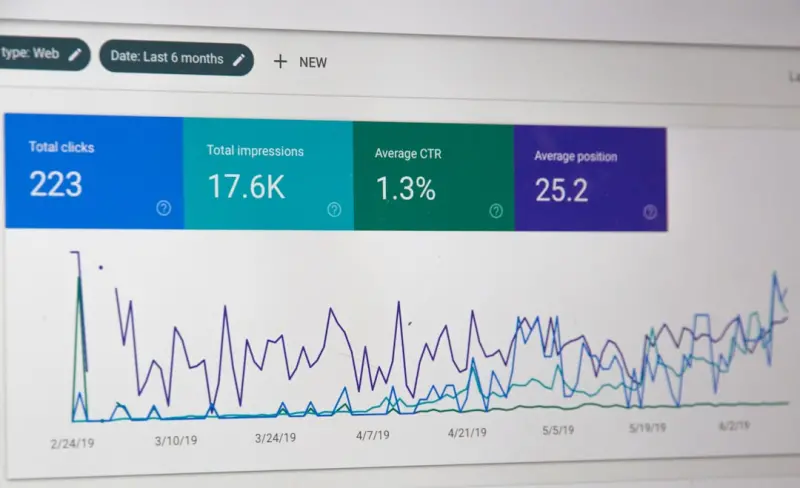
- Measure & Iterate: Track impressions and position changes in Google Search Console’s “Performance” report under “SERP Features.” Adjust based on what’s moving the needle.
Real‑World Example: Turning an FAQ into a Featured Snippet
One of our SaaS clients, a project‑management platform, had an FAQ page that addressed “How to set up recurring tasks.” The page originally sat at page 12 in the SERPs. We rewrote the answer to be a crisp 45‑word paragraph, wrapped the question in an <h2>, and added a HowTo schema block with three steps. Within two weeks, the answer appeared as a featured snippet, capturing over 5,000 impressions per month—without a single click.
Leveraging Existing Authority: When Bots Meet Backlinks
Zero‑click SEO doesn’t exist in a vacuum. Authority signals still matter. In fact, data‑driven link building can amplify your chances of being chosen for a SERP feature. High‑quality backlinks to the page signal relevance, prompting Google’s algorithms to consider it a trusted source for snippet extraction. Focus on earning links from industry publications, tech blogs, and developer communities that reference your answer directly.
Balancing Zero‑Click Success with Click‑Through Opportunities
While the goal is to dominate the zero‑click space, you still need traffic that lands on your site for deeper engagement—demos, free trials, and so on. Here’s how to create a seamless handoff:
- Call‑to‑Action (CTA) in Snippets: Some rich results allow a “Learn More” link. Make sure it points to a conversion‑optimized landing page.
- Extended Content Below the Answer: After the concise answer, provide a deeper dive with case studies, screenshots, or video walkthroughs.
- Internal Linking: Use strategic internal links to guide the user from the snippet’s landing page to high‑intent pages like pricing or demo sign‑up.
Zero‑Click SEO for SaaS Product Documentation
Documentation is often the go‑to source for technical queries like “API rate limit for X.” By structuring your docs with clear headings, concise answers, and JSON‑LD schema, you can capture those “how‑to” snippets. This not only drives brand credibility but also reduces support tickets—an added win for SaaS operations.
Measuring Success: Beyond Impressions
Zero‑click success is primarily measured through impressions, but you should also monitor:
- Brand Lift: Conduct brand awareness surveys before and after snippet dominance.
- Organic Traffic Quality: Even if clicks are lower, the traffic that does come in tends to have higher intent.
- Support Metrics: Fewer repetitive support queries often correlate with effective zero‑click answers.
Google Search Console provides a “SERP Features” report that shows impressions and average position for each feature type. Pair that with Google Analytics to see the downstream impact on conversion funnels.
Future‑Proofing: Voice Search & the Rise of AI‑Generated Snippets
Google’s AI, particularly the new generative models, is getting better at synthesizing answers from multiple sources. To stay ahead, think of your content as a knowledge graph node—concise, well‑structured, and linked to related concepts. This aligns with the voice and AI trends we’ve been discussing elsewhere. When users ask voice assistants “What’s the best way to reduce SaaS churn?” you want your brand’s answer to be the one spoken back.
Common Pitfalls and How to Avoid Them
Even seasoned SEO pros can stumble in the zero‑click arena. Here are the top three mistakes and quick fixes:
- Over‑Optimizing the Answer: Stuffing keywords or making the answer sound robotic can trigger a manual action. Keep it natural.
- Neglecting Schema: Without proper markup, Google may overlook your content for rich results. Validate with Google’s Rich Results Test.
- Ignoring Content Freshness: Algorithms favor up‑to‑date information. Set a quarterly review cadence for your zero‑click assets.
Putting It All Together: A 90‑Day Zero‑Click Sprint
To make the concept actionable, here’s a concise 90‑day plan:
| Week | Focus | Outcome |
|---|---|---|
| 1‑2 | Keyword & query research (identify 30 high‑value “how‑to” and “best‑of” questions) | Target list ready |
| 3‑4 | Content restructuring (HTML hierarchy, concise answers, schema) | Pages optimized for extraction |
| 5‑6 | Outreach for backlinks (guest posts, industry citations) | Authority boost |
| 7‑8 | Monitor SERP features in Search Console | Identify wins & adjust |
| 9‑12 | Iterate on low‑performing assets, expand to new queries | Scale zero‑click footprint |
At the end of the sprint, you should see a measurable lift in impressions, a modest uptick in organic traffic, and stronger brand recall among your target audience.
Final Thoughts: Embrace the Zero‑Click Mindset
SEO is evolving from a click‑centric game to an answer‑centric one. For SaaS companies, owning that answer before a prospect clicks is akin to having a seat at the table before the invitation even arrives. It’s a subtle shift, but the payoff—higher trust, reduced support load, and a steady stream of qualified leads—is massive. Start with a handful of high‑value queries, structure your content for extraction, and watch as your brand becomes the go‑to authority in the SERP’s new, click‑less world.

Related Posts

Semantic SEO for SaaS: An Entity‑Driven Content Engine
This post guides SaaS marketers through building an entity‑driven SEO framework—mapping core con... Read More
How AI‑Driven Topic Clusters Are Redefining Modern SEO Strategy
Miranda Murphy reveals a fresh SEO approach: using AI‑generated topic clusters to organize content... Read More

Embracing the Evolution of SEO: Strategies to Stay Ahead of the Curve
Stay ahead of the curve in SEO with the latest trends, strategies, and best practices. Learn how to ... Read More
Top Posts
Mobile SEO: The Key to Unlocking Your Website's Full Potential
Mobile SEO is critical for businesses that want to stay ahead of the competition. Learn how to optimize your website for mobile search and improve your search e...Read More

Turn Social Listening Into a Real‑Time Growth Engine
Brad Hays reveals a fresh approach to social media: using real‑time listening to predict trends, fuel content, and boost ROI—turning every mention into a st...Read More

Optimizing for Mobile: The Key to Unlocking Better Search Engine Rankings
The world of search engine optimization (SEO) is constantly evolving, and one of the most significant shifts in recent years has been the importance of mobile o...Read More

Empathy‑First SEO: Turning Human Insight into Ranking Power
Learn why putting human empathy at the core of your SEO strategy drives higher rankings, stronger backlinks, and deeper audience connections—all backed by act...Read More
0 Comments
Post Comment
You will need to Login or Register to comment on this post!