

When I first started mapping out content strategies for SaaS, my notebook was filled with buzzwords like “personalization” and “SEO.” Fast‑forward a few product releases, and the conversation has shifted from “how do we rank?” to “how do we speak to our audience in the moment they need us?” The most exciting content trends today aren’t just about better keywords; they’re about re‑engineering the way we think, produce, and deliver content in real time.
1. Voice‑First Content Isn’t Just for Consumers Anymore
We’ve all heard the hype around voice assistants in the consumer space—Alexa, Google Assistant, Siri. What’s less discussed is how voice‑first interactions are infiltrating B2B workflows. Sales reps ask their digital assistants for product specs while on a call, product managers dictate feature briefs, and support engineers search for troubleshooting steps hands‑free during a live incident.
For SaaS marketers, this shift means the content we create must be dialogue ready. Short, conversational snippets that answer a question in under 30 seconds become the new “featured snippet.” To get there:
- Map conversational intent: Use tools that capture real‑time query logs from your CRM and support tickets. Identify the exact phrasing your customers use when they speak, not type.
- Structure content for voice: Favor bullet‑point lists, clear headings, and concise answers. Think of each paragraph as a script line a voice assistant could read.
- Publish to voice platforms: Create dedicated voice “knowledge bases” using platforms like Voiceflow or Amazon Polly. These act as API‑driven reservoirs that your brand’s voice can pull from instantly.
When done right, voice‑first content becomes a silent sales rep, nudging prospects toward the next step without ever showing a screen.
2. AI‑Generated Micro‑Content: The New Engine of Real‑Time Engagement
Artificial intelligence has moved past long‑form article generation. The current frontier is micro‑content: 50‑word snippets, social cards, email subject lines, and even dynamic UI copy that adapts on the fly. The magic isn’t just speed; it’s relevance at scale.
Imagine a product launch page that instantly swaps its headline based on the visitor’s industry segment, or a chatbot that drafts a personalized case‑study summary in seconds. To harness this power:
- Build a content grammar: Define tone, brand voice, and key messaging pillars in a machine‑readable format (think JSON schemas). This gives your AI a “north star” to follow.
- Leverage prompt engineering: Craft prompts that include context from CRM data, recent blog posts, and the visitor’s behavior signals. The result is a piece of copy that feels handcrafted.
- Implement a human‑in‑the‑loop review: Even the best models can drift. A quick editorial checkpoint ensures compliance and brand safety before publishing.
Micro‑content isn’t a gimmick; it’s a tactical response to the shrinking attention spans of decision‑makers who skim, listen, and act within minutes.
3. Community‑Driven Content Loops: Turning Users into Co‑Creators
Traditional user‑generated content (UGC) often lives in review sections or social mentions. A more strategic approach is to embed content creation directly into the product experience. Think of a SaaS platform that prompts power users to share their workflow templates, success metrics, or “how‑to” videos right from the dashboard.
These contributions become a self‑reinforcing loop:
- Visibility: New content surfaces in the product’s knowledge hub, giving fresh SEO value and on‑boarding material.
- Authority: Peer‑generated assets carry implicit trust, boosting conversion rates for prospects who see real‑world use cases.
- Retention: Contributors earn badges, leaderboard spots, or early‑access perks, deepening brand loyalty.
Launching a community‑driven loop requires a careful balance of incentives and moderation, but the payoff is a living content ecosystem that scales with your user base.
4. Data‑Driven Storytelling: Marrying Analytics with Narrative
Data is the new ink, but raw numbers rarely inspire. The emerging trend is to embed analytics directly into storytelling formats—interactive dashboards, animated infographics, and narrative‑driven case studies that let the reader explore the data themselves.
Key steps to make this work:
- Identify “story moments”: Pinpoint data points that illustrate a clear problem‑solution arc (e.g., “customers who adopted feature X saw a 30% reduction in churn”).
- Choose the right medium: For complex datasets, an interactive Tableau embed works best; for quick insights, a GIF‑styled animation does the trick.
- Provide context: Pair each visual with concise copy that explains the why behind the numbers, ensuring the narrative stays human.
When readers can manipulate the data, they become active participants, increasing time on page and the likelihood of conversion.
5. Practical Blueprint: Integrating the Four Trends into a Cohesive Strategy
Now that we’ve explored each trend, here’s a step‑by‑step plan to weave them together without overwhelming your team.
- Audit your content inventory for voice readiness. Tag existing assets that answer “how‑to” questions in less than 30 words. Flag them for repurposing into voice‑friendly snippets.
- Implement an AI micro‑content hub. Set up a low‑code platform (e.g., OpenAI’s API combined with Zapier) to generate headlines and social cards based on new blog posts. Use the hub to feed your social calendar automatically.
- Launch a pilot community content program. Pick a high‑engagement feature and invite power users to co‑create tutorial videos. Reward contributions with a featured spot in your product’s resource center.
- Transform one flagship case study into a data‑driven story. Use an interactive chart tool to let prospects explore the ROI metrics themselves. Pair this with a voice‑enabled FAQ that reads out the key insights.
- Measure, iterate, and scale. Track metrics such as voice search impressions, micro‑content click‑through rates, community contribution volume, and engagement time on interactive stories. Adjust your tactics every quarter.
By aligning these trends, you create a feedback loop where each piece of content amplifies the others—voice snippets drive traffic to micro‑content, micro‑content fuels community contributions, and community content enriches your data‑driven stories.
6. Real‑World Example: From Idea to Engine Meets the Rise of Content Experience
One SaaS firm recently applied this exact framework. They began by building a scalable content production line that could churn out micro‑content in minutes. Simultaneously, they revamped their knowledge base to be voice‑first, which boosted organic voice search traffic by 42% within three months.
Next, they invited top users to submit one‑minute “quick tip” videos, turning those into a searchable library that fed both their support portal and the new voice‑assistant interface. Finally, they re‑imagined a marquee case study as an interactive data story, embedding a live dashboard that prospects could manipulate. The synergy of these initiatives contributed to a 27% lift in qualified leads, proving that when content experience evolves beyond static pages, growth follows.
What’s the takeaway? Content experience isn’t a siloed department—it’s an ecosystem where voice, AI, community, and data converge to meet prospects exactly where they are, in the format they prefer.
7. Looking Ahead: The Content Landscape in the Next Wave
We’re on the cusp of three emerging shifts that will further accelerate the trends we’ve discussed:
- Ambient content delivery: Imagine your CRM nudging a prospect with a voice‑enabled insight while they’re on a conference call, without them having to click a link.
- Zero‑click content: Search engines are already surfacing answers directly on the SERP. The next frontier is delivering rich, interactive data without a click—think embedded micro‑videos or live dashboards.
- Ethical AI curation: As AI generates more content, transparency and bias mitigation will become core brand pillars, influencing both trust and compliance.
Preparing for these changes now means setting up robust data pipelines, establishing clear brand guidelines for AI, and fostering a culture where every team member thinks like a content engineer—not just a writer.
In the end, the most powerful content strategies will be those that treat content as a living, breathing component of the product experience, constantly adapting to voice, AI, community, and data. If you start viewing every interaction as an opportunity to speak, write, or visualize, you’ll not only stay ahead of the trend curve—you’ll define it.

Related Posts
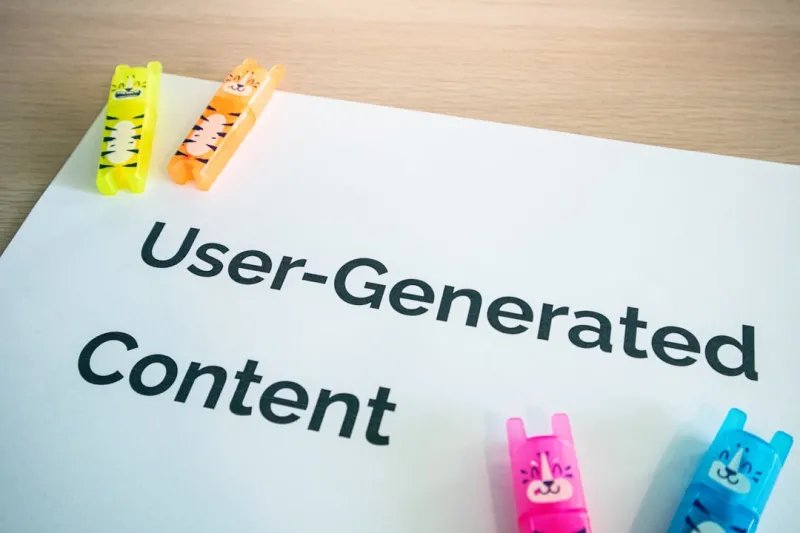
The Future of Content Trends: What You Need to Know
The world of content trends is rapidly evolving. Stay ahead of the curve by understanding the latest... Read More

Audio‑First Content: The Quiet Revolution Fueling SaaS Growth
Audio‑first content is transforming SaaS marketing by delivering concise, emotionally resonant exp... Read More

Riding the Wave: Paul Flynn’s Take on 2024 Content Trends
Paul Flynn breaks down 2024’s top content trends—human‑centric storytelling, agile micro‑nar... Read More
Top Posts
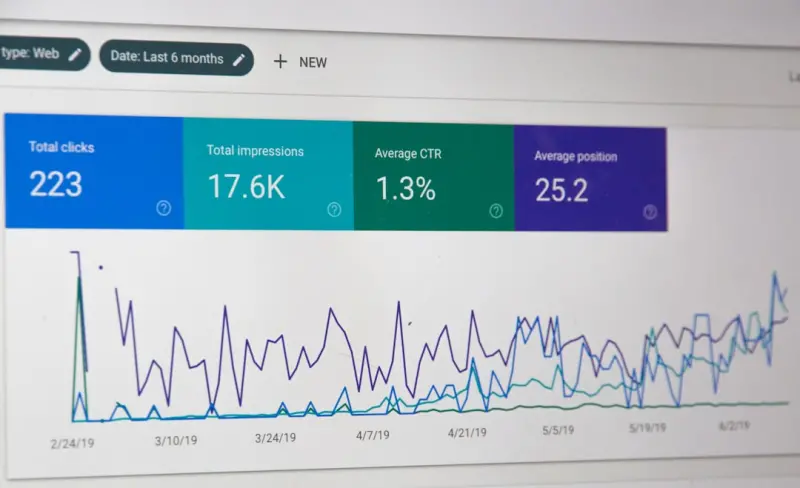
Agile SEO Experiments: Turning Data Into Ranking Wins
Learn a fresh SEO strategy that treats every optimization as a test, using real‑time data, structured experiments, and cross‑functional collaboration to boo...Read More

MUM‑Powered SEO: How Multimodal AI Is Redefining B2B SaaS Content Strategy
Google’s Multitask Unified Model (MUM) is changing how search understands text, images, and video together. This post reveals why B2B SaaS marketers must adop...Read More
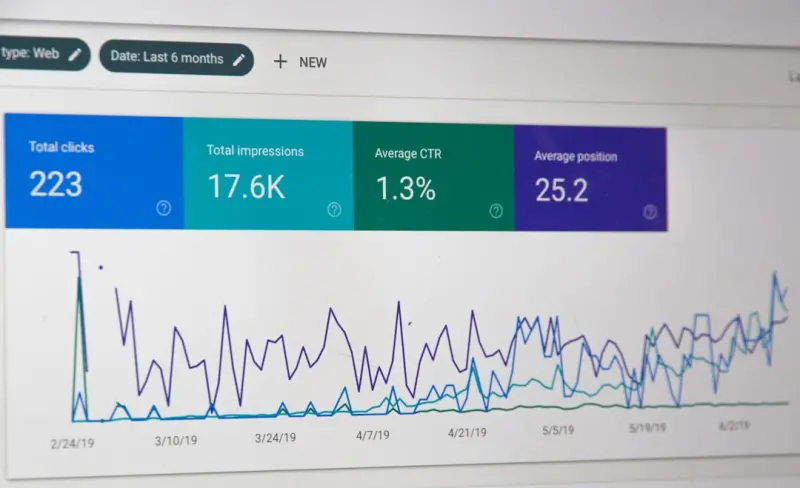
Schema Markup Strategies to Supercharge SaaS SEO
Learn why structured data is a game‑changer for SaaS SEO, with a step‑by‑step blueprint, real‑world case study, and tips to avoid common pitfalls....Read More

How Employee Advocacy Supercharges Your SaaS Social Media Strategy
Learn how to build a sustainable employee advocacy engine that amplifies reach, drives qualified leads, and integrates seamlessly with paid social, turning your...Read More
0 Comments
Post Comment
You will need to Login or Register to comment on this post!