
Why Schema Markup Is the Secret Weapon Your SaaS SEO Strategy Has Been Missing
When I first stepped into the world of SaaS marketing, I quickly learned that “good content” and “strong backlinks” were only half the battle. The other half? Speaking the language that search engines actually understand. That language is structured data, and more specifically, schema markup. While many of my peers focus on keyword research or link building, I’ve found that a well‑crafted schema strategy can catapult a SaaS product from “just another result” to a SERP feature that drives qualified clicks and boosts brand trust.
What Is Schema Markup, Anyway?
Schema markup is a standardized code—usually JSON‑LD—that you embed in your HTML to describe the meaning of your page’s content. Think of it as a translator that turns your product’s features, pricing, reviews, and FAQs into a format that Google, Bing, and other search engines can parse and display directly in the search results.
For SaaS companies, the payoff is huge: richer snippets, knowledge panels, and even relationship‑first link building opportunities when other sites see your structured data as a trustworthy source to reference.
The Most Overlooked Schema Types for SaaS
Most SEO guides talk about “Product” or “Article” schema, but SaaS businesses have a unique set of data points that can be highlighted. Here are the three schema types that I swear by:
- SoftwareApplication: Perfect for describing your platform’s name, operating system compatibility, pricing tiers, and user ratings.
- FAQPage: Turns your support hub into a SERP‑friendly Q&A block, reducing support tickets while capturing long‑tail queries.
- HowTo: Ideal for walkthroughs of core features (e.g., “How to set up automated reporting”). This can earn a “step‑by‑step” rich result that appears above the fold.
Implementing these three schemas gives you multiple entry points into Google’s special result sections, dramatically increasing visibility without extra ad spend.
Step‑by‑Step Blueprint for Deploying SaaS‑Specific Schema
- Audit Your Existing Pages – Start with a crawl using Screaming Frog or Sitebulb to pull a list of all pages that could benefit from structured data (product pages, pricing tables, blog posts, support articles).
- Map Data Points to Schema Types – For each page, decide which schema type matches best. A pricing page gets
SoftwareApplication, a help article getsFAQPage, and a tutorial getsHowTo. - Generate JSON‑LD Snippets – Use Google’s Structured Data Markup Helper or a custom script to output clean JSON‑LD. Keep the code in a separate file if you use a headless CMS for easier updates.
- Validate with Rich Results Test – Before you go live, paste each page’s source into Google’s Rich Results Test. Fix any errors (missing required fields, mismatched data types) before deployment.
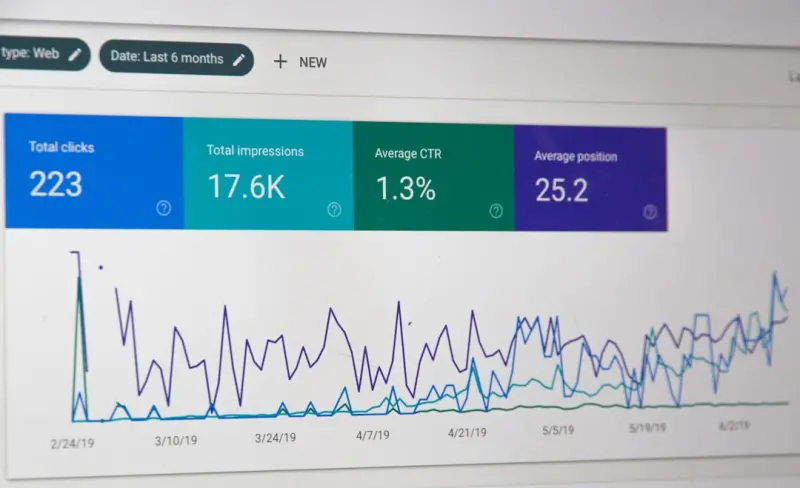
- Monitor via Search Console – After publishing, head to Search Console → Enhancements to see impressions, clicks, and any warnings that Google reports about your structured data.
Schema Meets Technical SEO: The Crawl Budget Angle
Even though we’ve covered crawl budget in a previous post (Mastering Crawl Budget for Massive SaaS Sites), it’s worth noting how schema can actually help your crawl efficiency. When Google detects valid structured data, it often prioritizes those pages for indexing because they’re more likely to satisfy user intent.
That means a well‑structured SoftwareApplication page can receive more frequent crawls than a generic blog post, ensuring that new feature releases or price changes are reflected in SERPs faster.
International SEO & Schema: Scaling Your SaaS Globally
One common blind spot for SaaS companies is the assumption that once you have English‑language schema, you’re done. International markets demand localized markup:
- Use
inLanguageto specify the language of each snippet. - Provide
priceCurrencyand localized pricing for each region. - Translate FAQs and How‑To steps into target languages, then embed separate
FAQPageorHowToblocks per locale.
Google treats each localized version as a distinct entity, giving you the chance to rank in multiple languages without cannibalizing your own traffic.
Measuring Success: Metrics That Matter
Schema isn’t a “set it and forget it” tactic. You need to keep an eye on the following KPIs:
- Impressions from Rich Results – Search Console’s “Enhancements” tab shows how many times a rich snippet was shown.
- Click‑Through Rate (CTR) – Rich results typically enjoy a 30‑40% higher CTR compared to standard listings.
- Conversion Rate from SERP to Trial – Track UTM‑tagged clicks from rich snippets to see if they lead to free‑trial sign‑ups.
- Error Rate – Any schema validation errors will appear in Search Console; aim for 0.
When you see a steady lift in CTR and trial sign‑ups after deploying schema, you’ve hit the sweet spot.
Common Pitfalls (And How to Avoid Them)
Even seasoned SEO pros trip up on schema. Here are three mistakes that can actually hurt your rankings:
- Over‑stuffing with Irrelevant Types – Adding
Articlemarkup to a pricing page confuses Google. Stick to the schema that accurately describes the content. - Hard‑coding Values – If your pricing changes but the JSON‑LD remains static, users get inaccurate info, and Google may penalize you for “misleading content.” Use dynamic variables from your CMS.
- Neglecting Updates – As you roll out new features, update the
SoftwareApplicationschema with new “featureDescription” fields. Stale data erodes trust.
Future‑Proofing Your Schema Strategy
Google’s algorithm is constantly evolving, but the demand for clear, machine‑readable data isn’t going away. Here’s how to stay ahead:
- Subscribe to the Google Search Central Blog for announcements about new schema types.
- Participate in the Schema.org community to propose extensions that match emerging SaaS features (e.g., AI‑driven modules).
- Run quarterly “Schema Audits” alongside your regular SEO audits to catch broken markup before it impacts rankings.
Putting It All Together: A Real‑World Example
Let’s walk through a quick case study from a mid‑size SaaS startup that implemented the blueprint above.
Background: The company offered a project‑management tool with tiered pricing and a robust knowledge base.
Action Plan:
- Added
SoftwareApplicationmarkup to the pricing page, includingoffersfor each tier. - Converted 20 top‑traffic support articles into
FAQPageblocks. - Created three
HowTopages for onboarding tasks, each with step‑by‑step instructions. - Localized all schema for French and German markets, adding appropriate
inLanguagetags.
Results (90‑day window):
- Rich‑result impressions jumped from 5,000 to 27,000.
- CTR on the pricing page rose from 2.4% to 4.8%.
- Free‑trial sign‑ups from organic search increased by 22%.
- International traffic grew 15% after adding localized schema.
That kind of lift is hard to achieve with content alone; schema gave the search engine a shortcut to understand and showcase the product’s value.
Final Thoughts: Make Schema a Core Pillar, Not an Afterthought
If you’ve been treating schema markup as a “nice‑to‑have” add‑on, it’s time to change that mindset. For SaaS businesses, structured data is the bridge between a complex product and a simple search result that tells users exactly what they need—pricing, features, and support—all at a glance.
By following the step‑by‑step approach above, keeping your markup fresh, and pairing it with solid technical SEO practices, you’ll turn your site into a SERP‑friendly asset that not only attracts clicks but also drives qualified leads into your funnel.
And remember, schema works best when it’s part of a holistic SEO ecosystem. Pair it with strong content, strategic link building (Relationship‑First Link Building Blueprint), and data‑driven insights, and you’ll have a competitive edge that’s hard for rivals to replicate.

Related Posts

Human‑Centric SEO in 2024: Margaret Thomson’s Proven Playbook
Margaret Thomson reveals a human‑centric SEO playbook for 2024, blending AI tools, structured data... Read More

Zero‑Click Search: Turning SERP Answers Into SaaS Brand Wins
Zero‑click search is reshaping how SaaS companies win visibility. This guide shows how to target f... Read More

SEO for SaaS Knowledge Bases: A Tactical Playbook
Discover a fresh, tactical approach to optimizing SaaS knowledge bases for search engines—covering... Read More
Top Posts

Unlocking SaaS Growth with Structured Data and Core Web Vitals
A practical guide for SaaS teams on using schema markup, Core Web Vitals, and intelligent site architecture to win rich results, enhance crawl efficiency, and a...Read More

The Rise of Hyper-Local SEO: A Game-Changer for Small Businesses
Hyper-local SEO is a game-changer for small businesses. Learn how to optimize your online presence for local search and attract more customers with hyper-local ...Read More

Why Subscription Toy Boxes Are the Next Play Trend
Subscription toy boxes are reshaping play by delivering age‑appropriate, development‑focused toys each month, reducing decision fatigue for parents while pr...Read More

From Broadcast to Dialogue: A Fresh Social Media Blueprint for SaaS
Learn how to shift from one‑way broadcasting to a conversation‑driven social media approach that educates users, gathers product insights, and creates lasti...Read More
0 Comments
Post Comment
You will need to Login or Register to comment on this post!