
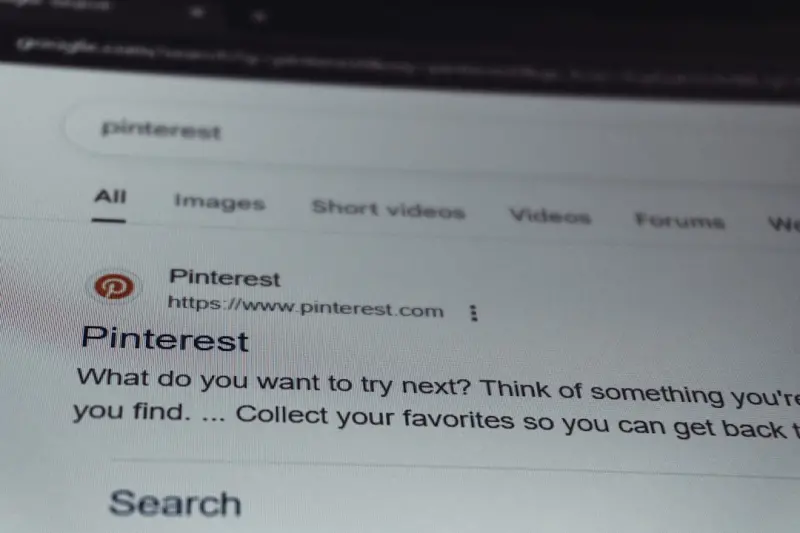
Why Zero‑Click Search Is the New Frontier for SaaS SEO
When I first started optimizing SaaS sites, the mantra was simple: bring people to the homepage, then guide them down the funnel. Today the reality is different. A growing slice of organic traffic never clicks a link at all—it stays on the SERP, extracts the answer, and moves on. This “zero‑click” behavior isn’t a threat; it’s an opportunity. If you can capture the user’s attention and convey value without a click, you’re already winning a critical piece of the conversion puzzle.
Understanding the Zero‑Click Landscape
Zero‑click search isn’t a single feature; it’s an ecosystem of SERP elements that Google serves directly to the user:
- Featured snippets (paragraph, list, table formats)
- People Also Ask (PAA) boxes
- Knowledge panels and entity cards
- Local packs and “near me” results
- Image, video, and carousel packs
- Google Discover feeds
- FAQ and How‑To schema expansions
Each of these is a chance to present your SaaS expertise without forcing the user to click. The challenge is to engineer your content so that Google sees it as the most authoritative, concise answer for a given query.
How Zero‑Click Search Aligns With SaaS Goals
For a SaaS business, the classic funnel—awareness → consideration → purchase—relies heavily on traffic to the website. Zero‑click results shift the emphasis from sheer traffic volume to brand imprint and trust building. When a prospect sees your product name or a clear value proposition in a featured snippet, they already have a mental anchor. Later, when they’re ready to evaluate tools, your brand is top‑of‑mind, shortening the sales cycle.
Step 1: Map High‑Intent Queries to Zero‑Click Formats
The first practical step is to audit your keyword list for questions that naturally fit a snippet or PAA format. Look for:
- “How does X integrate with Y?”
- “What is the difference between A and B?”
- “Best practices for onboarding new users in a SaaS product”
Tools like Ahrefs, SEMrush, and the free SERP API can surface the position zero landscape. When you discover that a competitor holds a snippet for a query you also target, you’ve identified a gap to close.
Step 2: Structure Content for Snippet Success
Google favors clear, well‑structured answers. Here’s a proven recipe:
- Answer the question within the first 40–50 words. This front‑loads the answer, increasing the chance Google will pull it directly.
- Use bullet points or numbered lists for “steps”, “tips”, or “features”. These formats map cleanly to list‑type snippets.
- Include a concise table when comparing features, pricing tiers, or integration capabilities. Tables often become “table‑type” featured snippets.
- Wrap the answer in proper HTML tags. Use
<h2>for the question,<p>for the answer, and<ul>/<ol>for lists. - Implement relevant schema. FAQPage and HowTo schema signal to Google that your content is designed for direct answers.
Notice how these steps dovetail with the insights from Decoding Google’s Passage Ranking. Passage ranking already teaches us that Google can surface a sub‑section of a long article; by making each sub‑section self‑contained, you increase the odds of snippet capture.
Step 3: Leverage Authority Signals With Community Hubs
Zero‑click results reward authority as much as relevance. One way to boost authority is by cultivating external community hubs—forums, Q&A sites, and niche knowledge bases—where your brand is regularly cited. When reputable sites link back to a specific answer, Google interprets that as a sign that your content is the definitive source.
In practice, you can:
- Participate in industry‑specific Slack or Discord communities, answering user questions and linking to concise blog posts that are already snippet‑optimized.
- Contribute guest answers on platforms like Quora or Stack Exchange, ensuring your response mirrors the snippet structure and includes a link back to the full article.
- Publish concise “knowledge hub” posts on your own site that aggregate answers to frequently asked user problems, then cross‑link them from broader pillar content.
These tactics echo the strategy in Link Magnetism, but with a zero‑click twist: the goal isn’t just backlinks, it’s positioning those backlinks as citation sources for Google’s answer modules.
Step 4: Optimize for Mobile‑First Snippets
Mobile users dominate SERP impressions, and Google’s mobile algorithm often selects different snippets than desktop. Keep these mobile nuances in mind:
- Keep answers under 120 characters. Mobile snippets truncate sooner, so brevity matters.
- Avoid complex tables. Mobile favors list or paragraph snippets; if a table is essential, ensure it’s responsive.
- Prioritize visual assets. An image pack or carousel can capture attention faster than text on a small screen.
Testing on both desktop and mobile preview tools (Google Search Console’s URL Inspection > Mobile Friendly Test) will reveal which format Google prefers for each query.
Step 5: Track Zero‑Click Success With the Right Metrics
Traditional SEO KPIs—organic traffic, bounce rate, time on page—don’t fully capture the value of zero‑click results. Add these measurements to your dashboard:
- Impression share in SERP features. Search Console shows how often your URL appears in snippets, PAA, etc.
- Brand lift surveys. Ask leads how they first heard about your product; a snippet mention can be a valid source.
- Assisted conversions. Use multi‑channel funnels in Google Analytics to see if users who saw a snippet later converted via direct traffic.
By integrating these metrics, you’ll be able to justify the investment in zero‑click optimization to leadership, showing that brand exposure translates into downstream revenue.
Step 6: Future‑Proof Your Strategy With AI‑Ready Content
Google’s AI models are getting better at summarizing content on the fly. To stay ahead, structure your data so that AI can easily extract it:
- Maintain a knowledge graph of product features, use‑cases, and industry terminology on your site.
- Write clear, declarative sentences that avoid jargon overload—AI prefers concise language.
- Regularly audit and refresh snippet‑targeted pages to align with evolving user intent and AI interpretation.
Even though AI content generation is a hot topic (see our AI‑Human Hybrid post), the human touch remains essential for zero‑click success. The nuance of a well‑crafted answer still outperforms generic AI‑generated text.
Common Pitfalls and How to Avoid Them
Pitfall 1: Over‑optimizing for a snippet and sacrificing depth. While a concise answer is crucial, the full article must still deliver comprehensive value for readers who click through. Balance brevity with depth.
Pitfall 2: Ignoring user intent evolution. A query that once demanded a list might shift to a video answer. Monitor SERP feature trends and adapt your content format accordingly.
Pitfall 3: Relying solely on featured snippets for traffic. Zero‑click results are great for awareness, but they won’t replace the need for high‑intent landing pages that drive trials and sign‑ups.
Putting It All Together: A Mini‑Roadmap
Below is a quick‑start checklist you can hand to your SEO team:
- Identify high‑intent, question‑based keywords with zero‑click potential.
- Audit existing content for snippet readiness; rewrite as needed.
- Implement structured data (FAQ, HowTo) on all answer‑focused pages.
- Publish community‑hub posts that cite these answers and earn external citations.
- Optimize mobile presentation; test both list and paragraph formats.
- Set up Search Console and Google Analytics dashboards to monitor impressions, brand lift, and assisted conversions.
- Schedule quarterly reviews to refresh answers, add new formats (video, carousel), and incorporate AI‑ready structures.
Follow this roadmap, and you’ll start seeing your SaaS brand appear not just in the “blue links” column, but in the very spaces where users get their answers instantly—turning a “no‑click” moment into a lasting brand impression.
Final Thoughts: Zero‑Click Is Not a Zero‑Value Moment
In my early days, a SERP click was the only metric that mattered. Today, the real win is when a prospect sees your expertise before they decide to click. By mastering zero‑click optimization, you’re not just adapting to Google’s evolution—you’re proactively shaping how users discover, trust, and ultimately choose your SaaS solution. The SERP is becoming a mini‑homepage; make sure yours looks as polished there as it does on your own domain.

Related Posts
Unlocking the Power of Immersive SEO: A Playbook for Interactive Content
Learn to turn interactive videos, AR demos, and AI chatbots into SEO assets. This guide offers a fre... Read More
Revitalize Your Rankings: The Proven Strategy of Systematic Content Refresh
A step‑by‑step guide shows why updating evergreen content, aligning with user intent, and adding... Read More

Unlocking Hidden SEO Wins: A Tactical Guide for Modern Websites
Explore fresh SEO strategies that go beyond keywords—focus on user intent, structured data, crawl ... Read More
Top Posts
Voice Search Optimization: A WordPress Playbook for Conversational Rankings
Voice search is reshaping how users find content. This guide walks you through WordPress‑specific steps—schema, local SEO, mobile performance—to dominate ...Read More
Crawl Budget Mastery: Unlocking Hidden SEO Power for SaaS
Discover a step‑by‑step guide to auditing, prioritizing, and optimizing crawl budget for SaaS websites, ensuring search engines efficiently index high‑val...Read More
The Content Marketing Playbook That Dominates 2026
A fresh 2026 playbook shows how human‑centric storytelling, AI efficiency, and strategic link building can future‑proof your content marketing and dominate ...Read More

The Rise of Voice‑First Content Strategies for SaaS
Voice assistants are reshaping the SaaS buying journey. Learn why voice‑first content matters, how to create voice‑ready assets, leverage partner ecosystems...Read More
0 Comments
Post Comment
You will need to Login or Register to comment on this post!