

Why the Low‑Hanging SEO Fruit Still Matters
Even with AI tools and algorithm hype, many sites ignore the fundamentals that keep search engines happy. Technical hygiene—clean URL structures, proper canonical tags, and a swift server response—creates a foundation where content can truly shine. When you prune duplicate pages and fix broken links, you not only improve crawl efficiency but also signal trust to Google. In my experience, a single tidy sitemap update can unlock dozens of previously invisible pages, driving a noticeable lift in organic traffic without extra content creation.
Mapping User Intent Beyond Keywords
Most SEO guides still focus on keyword density, but modern search thrives on intent. I start every project by categorizing queries into informational, navigational, transactional, and investigational buckets. This taxonomy informs the type of content you need—long‑form guides for deep research, concise product pages for purchase intent, and comparison tables for decision‑making phases. Aligning your page purpose with the searcher’s mindset not only boosts relevance scores but also improves dwell time, a subtle yet powerful ranking signal.
Structured Data: Turning Answers into Rich Results
Schema markup is no longer optional; it’s a gateway to featured snippets, FAQ boxes, and event carousels that sit above the organic list. I often begin by adding FAQ schema to high‑traffic pages, turning common questions into instant answers. This not only drives click‑throughs from the SERP but also reinforces topical authority. Remember to validate your markup with Google’s testing tool to avoid hidden errors that could nullify the effort.
Optimizing Crawl Budget with Smart Prioritization
Large sites frequently waste crawl budget on low‑value pages like thin archives or outdated press releases. By consolidating similar content into comprehensive hub pages and using noindex tags strategically, you guide search engines toward your most valuable assets. I recommend reviewing server logs weekly to spot high‑frequency crawl patterns, then adjust your robots.txt and sitemap accordingly. The result is faster indexing of fresh content and a healthier overall site health score.
Content Pruning: Quality Over Quantity
Instead of endlessly adding new posts, I conduct quarterly audits to identify underperforming assets. Pages that consistently attract less than 5 % of average session duration are candidates for refresh, merge, or removal. When you revamp a weak article with updated data, richer media, and a clearer headline, you often recover lost rankings without the cost of creating new content. This “less is more” mindset keeps your content repository lean, relevant, and more likely to earn backlinks.
Leveraging Topic Clusters for Semantic Authority
Google’s shift toward semantic search rewards sites that demonstrate depth on a subject. I organize content into pillar pages surrounded by supporting cluster articles, each interlinked with descriptive anchor text. This internal linking strategy distributes link equity and signals a cohesive knowledge hub to crawlers. Over time, the pillar page climbs in authority, pulling the entire cluster upward and capturing broader long‑tail traffic.
E‑A‑T Enhancements Without Over‑Engineering
Expertise, Authoritativeness, and Trustworthiness remain core ranking factors, especially for YMYL niches. I boost E‑A‑T by adding concise author bios, linking to verified credentials, and displaying customer testimonials. A simple “About the Author” badge with a link to a professional profile can elevate perceived expertise. Pair this with a secure HTTPS connection and a transparent privacy policy to round out the trust component.
Harnessing Internal Linking for Link Equity Flow
Every internal link is a vote of confidence, but only when it’s purposeful. I audit my sites for orphan pages—those with no inbound links—and weave them into the content fabric using contextual anchors. For instance, linking from a high‑traffic blog post to a niche product page can pass valuable equity, boosting its visibility. Use the dynamic content strategy framework to schedule regular link insertion as new content goes live.
Voice Search Optimization for the Silent Majority
While many focus on visual or mobile search, voice queries are exploding, especially for local intents. Crafting concise, conversational answers that fit a 30‑second spoken response can capture featured positions on smart speakers. I recommend structuring content with clear headings, bullet points, and natural language that mirrors how users ask questions aloud. This approach not only serves voice assistants but also improves readability for all visitors.
Measuring Success with Holistic SEO Dashboards
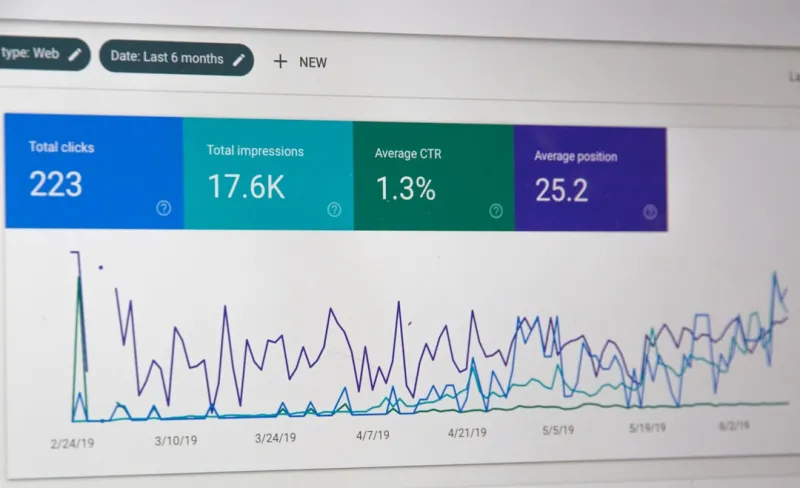
Finally, track performance with a unified dashboard that combines rankings, click‑through rates, crawl stats, and user engagement metrics. I blend Google Search Console data with heat‑map insights to see how SERP snippets translate into on‑page behavior. When you notice a dip in click‑through but stable rankings, it may signal a need to refresh meta titles and descriptions. Continuous monitoring ensures that the tactical tweaks you implement have a lasting, measurable impact.

Related Posts

Turn Your SaaS Community Into an SEO Engine
Discover how to transform forums, reviews, and social chats into powerful SEO assets. This guide wal... Read More
Mastering SEO in the Age of AI: Strategies to Stay Ahead
Stay ahead in the world of SEO with expert strategies for the age of AI. Learn how to optimize your ... Read More

Semantic Cluster Mapping: A Fresh Blueprint for SaaS SEO Success
Semantic clustering groups related queries under a pillar page, creating a robust knowledge hub that... Read More
Top Posts
Jimmy Anand’s 2024 WordPress SEO Playbook: Human‑Centric Tactics That Rank
Jimmy Anand reveals a 2024 WordPress SEO roadmap, mixing technical tweaks, mobile mastery, and human‑first content to boost rankings and keep audiences engage...Read More

Unlocking Crawl Budget: AI‑Powered Strategies for Massive Sites
Learn how AI, structured data, and dynamic sitemaps can reclaim wasted crawl budget, improve indexation, and drive real growth for large-scale sites....Read More

Why Short‑Form Video Is the New Power Play for SaaS Content
Short‑form video is quickly becoming essential for SaaS brands. Learn how to create, distribute, and measure 15‑second clips that capture attention, acceler...Read More

The Future of Link Building: Trends to Watch
The world of link building is constantly evolving. Stay ahead of the trends and learn how to build high-quality backlinks to improve your online presence....Read More
0 Comments
Post Comment
You will need to Login or Register to comment on this post!