

Why “Human‑Centric” SEO Is the Only Way Forward
When I first dipped my toes into the chaotic sea of algorithms, I chased rankings like a dog chases its tail, never pausing to consider the person behind the click. Over the years, I’ve learned that search engines have become astonishingly adept at mimicking human curiosity, which means our strategies must start with genuine empathy before we ever think about keywords. Understanding the searcher’s mindset allows us to craft content that feels like a conversation rather than a sales pitch, and that conversation is what modern crawlers reward with higher visibility. In practice, this means asking yourself: “What problem is the user really trying to solve, and how can I answer it in a way that feels personal and trustworthy?” The answer shapes everything from headline tone to the depth of the supporting data you provide.
Decoding User Intent: The Foundation of Every Page
Every search query carries an intention—informational, navigational, transactional, or commercial—yet many marketers still treat all queries as if they were the same, stuffing generic phrases into every heading. I’ve found that the moment you map each piece of content to a specific intent, you unlock a new level of relevance that resonates both with readers and with Google’s evolving models. For example, a “how‑to” article should deliver step‑by‑step guidance with visual cues, while a product review demands honest comparisons and clear calls‑to‑action. By aligning the format, tone, and depth of your copy with the underlying intent, you signal to search engines that your page is the most appropriate answer, dramatically reducing bounce rates and increasing dwell time. This alignment is the secret sauce behind the success stories I regularly share in my workshops.
Structured Data: Giving Search Engines the Blueprint They Crave
Imagine trying to assemble IKEA furniture without a diagram—frustrating, right? Structured data works the same way for search engines, providing a clear, machine‑readable map of your content’s key elements. I spend a good chunk of my optimization cycles adding schema markup for articles, FAQs, and product reviews, because when Google can instantly parse that information, it can surface rich results that draw eyes and clicks. The payoff isn’t just higher rankings; it’s the visual real‑estate on the SERP—star ratings, price ranges, and breadcrumb trails—that makes users stop scrolling. If you’re unsure where to begin, start with the Technical SEO in 2024: Human‑Centric Strategies That Scale guide, which walks you through schema implementation step by step without drowning you in code.
Content Freshness & E‑E‑A‑T: Staying Relevant in a Rapidly Evolving Landscape
Google’s emphasis on Experience, Expertise, Authoritativeness, and Trustworthiness (E‑E‑A‑T) has never been clearer, especially as AI‑generated content floods the internet. I make it a habit to revisit high‑performing pieces every quarter, updating statistics, adding new case studies, and refining the narrative to reflect the latest industry developments. This practice not only signals to crawlers that your site is alive, but it also reassures returning readers that they’re getting the most current information—a win‑win for engagement metrics. Pairing freshness with a robust author bio that showcases your credentials amplifies the trust signal. In fact, the most successful updates I’ve overseen have seen organic traffic spikes of 30‑40% within weeks of publication.
AI Assistance Without Losing the Human Touch
Artificial intelligence can be a brilliant co‑author, but it’s essential to keep the soul of your brand front and center. I use AI tools to generate outlines, suggest synonyms, and even draft meta descriptions, yet I always rewrite the final copy to preserve my voice—playful, slightly irreverent, and deeply informed. This hybrid approach speeds up production while ensuring that each sentence still feels like a hand‑written note to the reader. Moreover, AI can flag gaps in coverage, prompting you to add depth where your content may be thin. By treating AI as an assistant rather than a replacement, you maintain authenticity, which is precisely what search engines now reward under the E‑E‑A‑T framework.
Mobile‑First Indexing and Core Web Vitals: The Technical Backbone
In 2024, the mobile experience is no longer optional; it’s the default lens through which Google evaluates every site. I conduct a comprehensive audit of page load times, interactivity, and visual stability, focusing on the Core Web Vitals that directly impact rankings. Simple tweaks—like compressing images, leveraging lazy loading, and refining CSS delivery—often shave half a second off load time, a difference that can translate into higher click‑through rates and lower bounce. Don’t overlook the power of AMP for news‑heavy sites, either; it provides a lightning‑fast experience that Google loves. For a deeper dive, the SEO Tips for 2024: Amanda Williams’ Human‑Centric Playbook offers a checklist that has saved my clients countless hours of trial and error.
Building Community Links: From Outreach to Relationships
Link building has evolved from cold email blasts to nurturing genuine community connections. I prioritize relationships over transactions, reaching out to niche influencers, local business owners, and industry forums with personalized messages that reference specific pieces of their work. When you demonstrate that you’ve done your homework, you’re far more likely to earn a high‑quality backlink that also drives referral traffic. A practical way to start is by creating a resource hub on your site—think “Ultimate Guide to Sustainable SEO”—and inviting experts to contribute a short section, then crediting them with a backlink. This collaborative approach not only boosts your domain authority but also enriches your content with diverse perspectives, a win for readers and search engines alike.
Future‑Proofing Your Strategy: Embrace Experimentation and Data
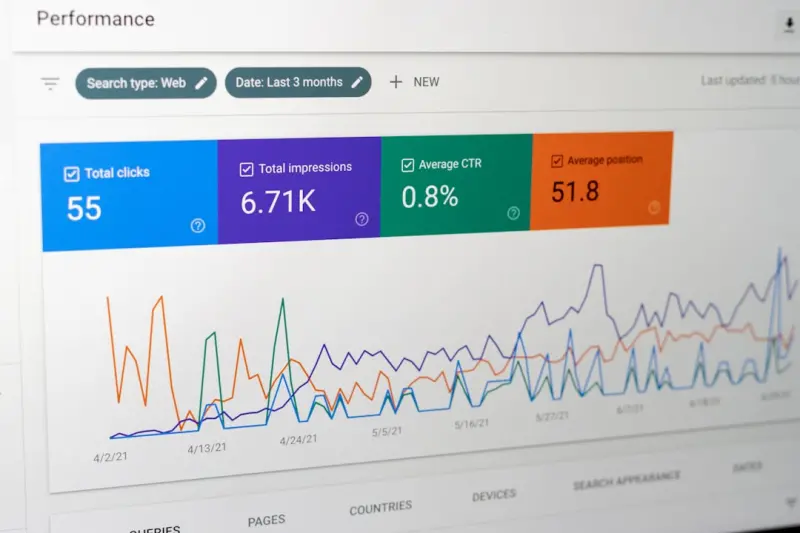
The only constant in SEO is change, which is why I treat every algorithm update as an experiment rather than a crisis. I set up controlled A/B tests for title tags, meta descriptions, and internal linking structures, tracking performance in real time with Google Search Console and third‑party analytics. This data‑driven mindset enables quick pivots; when I notice a drop in impressions after a core update, I immediately assess whether the issue lies in content depth, schema, or page experience, then iterate accordingly. I also stay plugged into industry thought leaders—reading pieces like The Future of Content Strategy: Human‑Centric Storytelling in 2024—to anticipate emerging trends before they become mainstream. By combining rigorous testing with forward‑looking research, you safeguard your site against volatility while continuously climbing the SERP ladder.
Wrapping Up: The Human Edge in a Machine‑Dominated World
At the end of the day, the most powerful SEO weapon you have is authenticity. When you write with the same curiosity and compassion you’d use in a face‑to‑face conversation, search engines recognize that signal and reward you with visibility. My journey from keyword‑obsessed novice to human‑centric strategist has taught me that success isn’t about gaming the system—it’s about serving real people with real value, consistently and thoughtfully. Keep listening to your audience, stay nimble with technology, and never forget that behind every click is a person seeking answers you’re uniquely positioned to provide. That, dear reader, is the timeless formula for sustainable growth.

Related Posts
Crawl Budget Mastery: The SaaS SEO Hygiene Routine You Can’t Ignore
A practical guide for SaaS marketers on managing crawl budget, streamlining site architecture, and t... Read More

Mastering Structured Data for Voice Search and AI SERPs
Discover how structured data can elevate your site in voice and AI‑driven search results, with act... Read More

Embracing the Evolution of SEO: Strategies to Stay Ahead of the Curve
Discover the latest SEO trends and strategies to drive more traffic and conversions. Learn how to ad... Read More
Top Posts

Entity‑Based SEO: Turning Your SaaS Brand into a Search Engine Knowledge Graph
Discover a fresh SEO strategy that treats your SaaS brand, products, and features as interconnected entities, leveraging structured data, content hubs, and AI t...Read More

From Data to Dollars: A Pragmatic Roadmap for Data‑Driven Link Building in SaaS
Discover a practical, data‑driven link building strategy that turns analytics into authority, enabling SaaS marketers to secure high‑quality backlinks and s...Read More

Community Events: A Boost for Local SEO
Local SEO gains a powerful edge when SaaS companies engage in community events. This guide walks through selecting the right gatherings, leveraging structured d...Read More

Conversational Ads: Turning Social Media Spend Into Real‑Time Dialogues
Conversational ads let marketers engage prospects directly within social platforms, reducing friction and delivering richer data. Learn the design framework, me...Read More
0 Comments
Post Comment
You will need to Login or Register to comment on this post!