
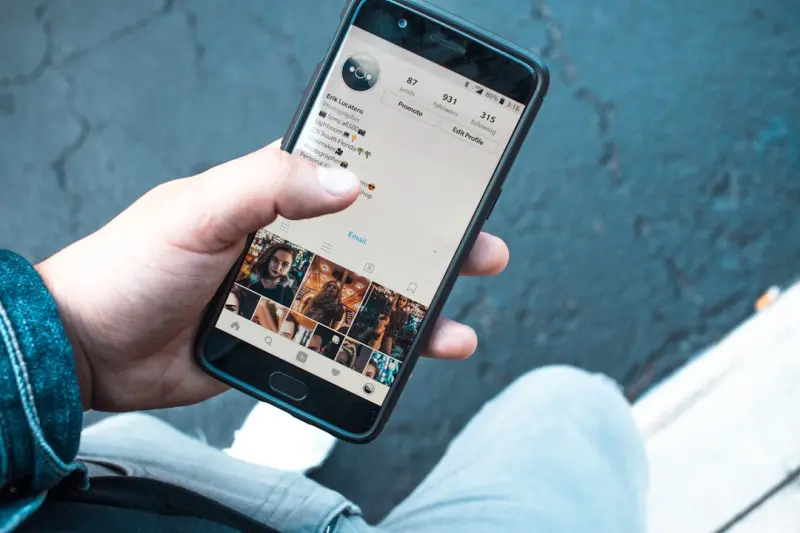
Why Conversational Ads Are the Next Frontier in Social Media Advertising
When I first dipped my toes into paid social, the landscape felt like a noisy billboard on a highway—lots of impressions, few genuine connections. Over the years, I’ve watched the medium evolve from static image carousels to immersive stories, and now we stand at the cusp of a shift that feels less like advertising and more like a two‑way dialogue. I’m talking about conversational ads—the kind of interactive experiences that let prospects ask questions, get instant answers, and move down the funnel without ever leaving the platform they’re already scrolling.
The Problem With Traditional Social Ads
Traditional social ads excel at catching attention, but they often stumble when it comes to converting that attention into intent. Here’s why:
- One‑way messaging: A static image or video can spark curiosity, but it rarely satisfies the nuanced questions a buyer has at that moment.
- Interruptive format: Users feel they’re being “sold to” rather than being invited into a conversation.
- Data blind spots: Without real‑time interaction, marketers miss out on the granular insights that happen when a prospect types a question.
These friction points are why many B2B SaaS teams see respectable click‑through rates (CTRs) but disappointing downstream metrics. The solution isn’t more spend; it’s smarter, more human‑centric interaction.
What Exactly Is a Conversational Ad?
Think of a conversational ad as a hybrid between a paid post and a chatbot. When a user clicks, a chat window pops up directly inside the social platform—Facebook Messenger, Instagram Direct, WhatsApp Business, or even LinkedIn Messaging. The experience feels native, because the UI mirrors the platform’s own messaging experience.
Key components include:
- Pre‑scripted flows that guide users through common objections.
- AI‑powered natural language processing (NLP) that can interpret free‑form queries.
- Human fallback where a live rep can jump in when the bot hits a roadblock.
Because the interaction happens within the social app, the user never needs to click away to a landing page, fill out a form, or endure a slow‑loading site. The friction is reduced to a single tap.
Why Conversational Ads Resonate With B2B Audiences
B2B buyers are increasingly research‑driven. They compare solutions, request demos, and need assurance that a vendor truly understands their pain points. Conversational ads deliver three critical benefits that align with this mindset:
- Instant personalization: The moment a prospect mentions “team collaboration,” the bot can surface relevant case studies or schedule a live demo.
- Qualitative data capture: Every question typed is a data point, revealing language, objections, and buying triggers you can later feed into your CRM.
- Human‑like trust signals: When a bot hands off to a real person, the transition feels seamless, reinforcing credibility.
Designing a Conversational Flow That Converts
Building a bot that feels natural is an art and a science. Below is a step‑by‑step framework I’ve refined through trial and error:
- Start with a clear intent. What is the primary goal? Booking a demo? Downloading a whitepaper? Keep the objective laser‑focused.
- Map common buyer questions. Pull from your sales team’s FAQ, support tickets, and the keywords you see in organic search. This ensures the bot can answer before a human steps in.
- Write conversational copy. Use a tone that mirrors your brand voice—friendly, knowledgeable, and concise. Avoid jargon that can trip up NLP engines.
- Implement quick‑reply buttons. These guide the user through the most likely paths and keep the conversation moving.
- Set a hand‑off threshold. If the bot can’t resolve a query after two attempts, automatically route to a live rep with the conversation history attached.
- Test and iterate. A/B test greeting messages, button labels, and even the order of questions. Use the data to refine the flow weekly.
Measuring Success: Beyond Click‑Through Rate
When I first started measuring conversational ad performance, I realized that the usual KPIs (impressions, CTR, CPC) barely scratched the surface. Here’s the metric suite that actually tells the story:
- Engagement Rate: Percentage of users who send at least one message after opening the chat.
- Conversation Length: Average number of turns; longer, relevant conversations often signal higher intent.
- Qualified Lead Score (QLS): A composite score based on the questions asked, data provided, and whether the prospect requested a follow‑up.
- Human Hand‑off Rate: The proportion of chats that required a live agent—useful for calibrating bot accuracy.
- Cost per Qualified Lead (CPQL): The ultimate ROI metric; compare it against your standard lead‑gen campaigns.
Real‑World Example: Turning a Social Ad Into a 3‑Step Demo Funnel
One of my recent projects involved a SaaS platform for remote team management. The client was spending $12 K per month on LinkedIn Sponsored Content with a 0.9% CTR and a cost per lead (CPL) of $150. We swapped the static ad for a conversational ad on LinkedIn Messaging, built around a “Quick Team Health Check” questionnaire.
Results after six weeks:
- Engagement Rate: 38% (vs. 0.9% CTR)
- Qualified Lead Score: 1.8× higher than the baseline
- CPQL: $68, a 55% reduction
- Demo Conversion: 27% of qualified leads booked a live demo within 48 hours
The secret sauce? The bot asked for team size, current tool stack, and biggest collaboration challenge. With these answers, the sales rep could tailor the demo on the fly, making the conversation feel bespoke rather than generic.
Integrating Conversational Ads With Your Existing Martech Stack
To truly unlock the power of these ads, you need to feed the conversational data back into your marketing automation, CRM, and analytics platforms. Here’s a simple integration map:
- Chatbot platform → API webhook → Marketing automation. Push lead attributes (company, role, pain points) into a nurture stream.
- Chat logs → Data lake → Insight engine. Run natural language processing to surface emerging trends.
- CRM → Sales dashboard. Flag high‑QLS contacts for immediate outreach.
- Analytics → Attribution model. Tie the conversation back to the original ad spend for accurate ROAS.
If you’re already leveraging understanding human bias in ad copy, you’ll find that the same principles apply to the phrasing you use in the chatbot. Keep it simple, focus on benefits, and avoid information overload.
Common Pitfalls and How to Avoid Them
Even the most promising technology can flop if mishandled. Below are the mistakes I see most often, plus quick fixes:
- Over‑automation: Relying entirely on AI can frustrate users when the bot fails to understand niche terminology. Solution: Keep a human fallback within two conversational turns.
- Generic scripts: Copy‑pasting a one‑size‑fits‑all script leads to disengagement. Solution: Segment audiences by industry, role, and funnel stage, then tailor the flow.
- Ignoring privacy: Collecting personal data without clear consent can breach platform policies. Solution: Use opt‑in language and store data securely per GDPR/CCPA guidelines.
- Neglecting mobile‑first design: Chats that aren’t optimized for small screens cause high drop‑off rates. Solution: Test the bot on multiple device sizes before launch.
Future Trends: Voice‑Enabled Conversational Ads
Voice assistants are making their way into social platforms—think Instagram’s audio notes and TikTok’s voice‑over features. The next wave of conversational ads will likely incorporate voice commands, allowing prospects to say “Show me a demo” instead of typing it. Early adopters who experiment with voice‑enabled flows will gain a first‑mover advantage in a space that feels both futuristic and highly personal.
Getting Started in 5 Steps
If you’re ready to dip your toe into conversational advertising, follow this pragmatic roadmap:
- Choose the platform: Start with the channel where your target audience hangs out most (LinkedIn for enterprise, Instagram for younger B2B founders, WhatsApp for emerging markets).
- Pick a bot builder: Solutions like ManyChat, MobileMonkey, or native platform SDKs offer quick deployment.
- Define the flow: Map the conversation on paper first—identify the opening hook, primary question, and hand‑off trigger.
- Run a pilot: Target a small, segmented audience, monitor engagement, and iterate.
- Scale and integrate: Once the pilot hits KPIs, expand spend, and connect the bot data to your existing lead‑gen funnel.
Leveraging Existing Content for Conversational Success
If you’ve already created high‑performing assets—like a blog on leveraging short‑form video insights—repurpose them into chatbot snippets. For example, a 60‑second explainer video can be broken into a quick text carousel within the chat, offering visual reinforcement without leaving the conversation.
Conclusion: From Ads to Dialogues
Social media advertising is no longer a monologue shouted across a crowded feed. The platforms we love have given us the tools to turn every impression into a conversation, every question into a data point, and every click into a qualified opportunity. By embracing conversational ads, you’ll not only cut acquisition costs but also build a richer, more human connection with your prospects—something that, in the noisy digital world, is worth its weight in gold.

Related Posts

Turn Real‑Time Social Listening Into a High‑Conversion Ad Engine
Discover a fresh approach to social media advertising that turns real‑time trends, community pods,... Read More

Why Empathy Drives the Next Wave of Social Media Advertising
Explore the shift toward empathy‑first social media advertising, learn platform‑specific tactics... Read More
Social Media Advertising in 2024: Mei Chen’s Insider Playbook
Mei Chen reveals the hottest 2024 social media ad trends, blending data, creativity, and privacy‑f... Read More
Top Posts

Beyond the Backlink: A Relationship‑First Blueprint for Sustainable Link Building
A relationship‑first link‑building strategy shifts focus from link quantity to genuine collaborations, leveraging niche communities, podcasts, and visual SE...Read More
Local Influencer Partnerships: A Hidden SEO Engine
Learn why local influencers are the secret weapon for SEO, how to pick the right partners, and the measurable impact they can have on your rankings and traffic....Read More
LinkedIn SEO Mastery: Steph Sanderson’s Human‑Centric Playbook for 2024
Steph Sanderson shares a human‑centric LinkedIn SEO playbook, covering profile optimization, strategic content, networking tactics, and measurable metrics to ...Read More

Navigating SpamBrain: How Google’s AI Is Changing the SEO Playbook
Learn why Google’s SpamBrain matters, how it works, and practical steps to keep your site safe while boosting authority in an AI‑driven search world....Read More
0 Comments
Post Comment
You will need to Login or Register to comment on this post!