

Why the Keyword‑Only Mindset Is Crumbling
When I first cut my teeth on SEO, the mantra was simple: pepper your copy with the exact match phrase and watch the rankings climb. Decades later, that approach feels as outdated as a dial‑up modem. Search engines have evolved from pattern‑matching bots into sophisticated language models that understand nuance, context, and intent. The result? A page that merely repeats a keyword can now be outperformed by a piece that tells a story, answers a question, and weaves related concepts together.
In the tiny text, big SEO impact post, we explored how even the smallest bits of copy can sway relevance signals. That insight is a stepping stone to a larger truth: the semantic fabric of a page matters more than any single keyword. This article dives into building that fabric—what I like to call Semantic Page Architecture—and shows how it can future‑proof your on‑page strategy.
The Pillars of Semantic Page Architecture
Think of a well‑designed web page as a miniature library. A library isn’t just shelves of books; it has a catalog, signage, cross‑references, and a logical flow that guides a patron from curiosity to discovery. Semantic Page Architecture rests on five interlocking pillars that replicate that experience for both users and search engines.
- Intent‑First Topic Modeling – Before typing a single sentence, map the primary, secondary, and tertiary intents behind the search query. Ask yourself: what problem is the user solving, and what follow‑up questions might they have?
- Contextual Hierarchy – Use headings, sub‑headings, and logical paragraph breaks to mirror the natural progression of an answer. Search engines read these cues as a roadmap.
- Entity‑Rich Content – Incorporate named entities (people, places, brands, dates) that are relevant to the topic. When Google’s Knowledge Graph sees a cluster of related entities, it treats the page as authoritative.
- Structured Data Layers – Deploy schema markup, FAQ blocks, and “How‑To” structured data to give machines explicit signals about the content’s purpose.
- Semantic Internal Linking – Connect the page to other relevant assets using descriptive anchor text that reinforces topical clusters.
When each pillar is solid, the page becomes a coherent, self‑contained answer hub that satisfies both human curiosity and algorithmic expectations.
Mapping User Intent Directly Into Your HTML
Intent isn’t a vague concept; it’s a measurable signal that can be baked straight into your markup. Start by breaking down the query into three layers:
- Informational – “What is semantic SEO?” – Answer with a concise definition right after the H1.
- Transactional – “Buy semantic SEO software” – Highlight a call‑to‑action in a prominent
<button>with clear, action‑oriented copy. - Navigational – “Semantic SEO guide PDF” – Offer a downloadable resource, flagged with
downloadattributes and arel="noopener"link for security.
By structuring your HTML to mirror these intents, you give crawlers a clear hierarchy of relevance. For example, an <h2> that reads “How Semantic SEO Boosts Content Discoverability” instantly signals that the following paragraph will satisfy an informational need.
Don’t forget to weave synonyms and related terms into your copy. This practice, known as semantic enrichment, helps search engines understand the breadth of the topic without resorting to keyword stuffing.
Contextual Signals: Structured Data, FAQs, and Related Content
Structured data is the SEO equivalent of a library’s catalog card. It tells search engines exactly what each piece of content represents. While many sites stop at basic Article markup, the real power lies in combining multiple schemas to paint a richer picture.
Consider a page about “Semantic Page Architecture.” You could layer the following schemas:
FAQPage– Anticipate common follow‑up questions (e.g., “How does entity linking affect rankings?”) and answer them directly on the page.HowTo– Break down the implementation steps into a numbered list, complete with estimated time and required tools.BreadcrumbList– Provide a clear navigation trail that reflects the logical depth of your topic clusters.
These signals not only improve SERP visibility (think rich snippets) but also reinforce the semantic theme you’re building. In the voice‑ready pages article, we saw how structured data can make content more discoverable to emerging interfaces—an advantage that extends to traditional search as well.
Internal Linking as a Semantic Scaffold
Every internal link is a vote of confidence, but not all votes carry equal weight. When you use generic anchor text like “click here,” you squander an opportunity to reinforce topical relevance. Instead, craft links that read like mini‑summaries:
- “Learn how entity linking sharpens relevance” – points to a deep‑dive on entities.
- “Explore the checklist for intent‑first content planning” – leads to a practical worksheet.
- “Read the case study on semantic upgrades for SaaS landing pages” – showcases real‑world impact.
This approach creates a web of semantic relationships that search engines can easily crawl and index. The more tightly knit your content clusters, the more authority your site projects on that subject area.
Designing for Readability While Preserving Semantic Depth
Human readers skim. They look for bolded takeaways, bullet points, and short paragraphs. At the same time, search engines parse the same HTML for depth. The sweet spot is a design that satisfies both.
Use visual hierarchy—large headings, distinct sub‑headings, and ample white space—to guide the eye. Simultaneously, embed semantic markers like <strong> for key concepts and <em> for nuanced qualifiers. This dual‑layer strategy signals importance without sacrificing readability.
In practice, a paragraph might read:
Entity linking (the practice of connecting names, places, and concepts to their canonical representations) enhances the search engine’s ability to understand context, leading to higher relevance scores.
The bold tag tells the reader what to remember, while the em tag adds a subtle qualifier that search engines also capture.
Testing and Iterating with Real‑World Metrics
No architectural blueprint is complete without validation. After you launch a semantically optimized page, monitor a blend of qualitative and quantitative signals:
- Engagement Metrics – Time on page, scroll depth, and interaction with FAQ accordions indicate whether the content truly satisfies intent.
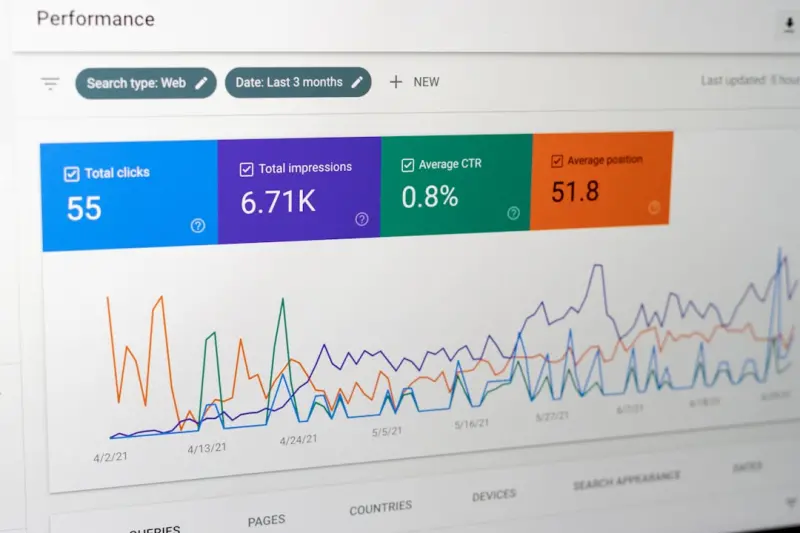
- Search Console Insights – Look for improvements in average position for the primary query and related long‑tail variations.
- Structured Data Reports – Verify that rich results appear as expected and that there are no schema errors.
- Internal Link Flow – Use a crawler tool to ensure new links are being discovered within three hops of the homepage.
Iterate based on the data. If a secondary intent isn’t ranking, consider adding a dedicated sub‑section, a new FAQ, or a supporting blog post linked back with precise anchor text.
Remember, semantic architecture isn’t a set‑and‑forget tactic; it’s an ongoing process of refinement, much like tending a garden—only this time the soil is code, and the harvest is higher rankings.
Bringing It All Together: A Mini‑Checklist
- Identify primary, secondary, and tertiary user intents.
- Map those intents to a logical heading hierarchy.
- Infuse the copy with related entities and natural language variations.
- Apply layered schema markup (FAQ, HowTo, Breadcrumb, etc.).
- Craft internal links with descriptive, intent‑rich anchor text.
- Design for visual clarity while preserving semantic tags.
- Track engagement, SERP performance, and schema health; iterate.
When you treat each page as a micro‑ecosystem of intent, context, and structure, you’re not just chasing rankings—you’re delivering an experience that both users and search engines celebrate.

Related Posts

Empathy‑Driven On‑Page SEO: How to Rank by Listening
Learn how to blend empathy with on‑page SEO, from keyword research to technical tweaks, to create ... Read More
Structured Data Secrets: Boosting On‑Page SEO for SaaS Products
Learn how to use schema markup to turn ordinary SaaS pages into rich search results, improve clickâ€... Read More

Beyond Keywords: Crafting an On‑Page Experience That Google Loves
Learn fresh on‑page SEO tactics—speed, mobile design, content freshness, structured data, and in... Read More
Top Posts

Smart Play: Why AI‑Driven Toys Are the Next Big Thing in Kids’ Rooms
AI‑enabled toys are turning playrooms into data‑rich learning labs, offering personalized experiences, robust privacy, and subscription content that keeps k...Read More

Micro‑Content Ecosystems: The Quiet Revolution Shaping Modern Brands
Explore the surge of micro‑content, its impact on SEO, decentralized distribution, and how brands can harness short, interactive snippets to dominate modern a...Read More

Link Building as Relationship Engineering: A SaaS Marketer’s Guide
Explore a fresh, relationship‑focused approach to link building that prioritizes relevance, value‑first outreach, and ongoing partnership nurturing, deliver...Read More

Content Trends to Watch: Navigating the Ever-Changing Landscape
Stay ahead of the curve with the latest content trends and insights on how to adapt your strategy to succeed in a rapidly changing digital landscape....Read More
0 Comments
Post Comment
You will need to Login or Register to comment on this post!