

Why Employee Advocacy Is the Missing Link in LinkedIn SEO
When I first started treating LinkedIn as a searchable asset, I realized most professionals focus solely on their own profiles, leaving a goldmine of untapped influence right under their noses: the people who work with them. Employee advocacy turns every team member into a micro‑search engine, broadcasting consistent brand signals that the LinkedIn algorithm loves, while simultaneously expanding your reach into networks that would otherwise remain closed. By aligning each employee’s content with core brand keywords, you create a distributed network of relevance that pushes your company page higher in both internal and external search results.
What makes LinkedIn different from Google is its blend of social graph and search index, meaning relevance is measured not just by keyword density but also by the strength of connections, engagement rates, and profile completeness. When an employee shares a post that includes your target phrases, LinkedIn sees that as a vote of confidence from a trusted source, amplifying the content’s authority in the feed and in search queries. This network‑based relevance is why a coordinated advocacy program can shift your page from obscurity to the top of the “company” and “industry” search results faster than any isolated SEO tweak.
Building Authoritative Employee Profiles That Rank
The foundation of any advocacy strategy is a set of fully optimized personal profiles, each acting as a landing page for the keywords you want to dominate. Start by crafting headline statements that blend a clear job title with a primary industry term—think “Senior Marketing Manager | B2B SaaS Growth Specialist” instead of a vague “Marketing Lead.” In the summary section, weave a concise narrative that highlights your expertise while naturally sprinkling target phrases, and don’t forget to add rich media that reinforces your authority; a short video or slide deck can boost dwell time, a known ranking factor on LinkedIn.
Beyond the basics, encourage your team to claim the “Featured Skills” slot for the exact terms you’re targeting, and to request endorsements from colleagues who can attest to those capabilities. When a profile is rich with relevant keywords, complete sections, and genuine engagement, LinkedIn’s search engine treats it as a high‑quality result, and every piece of content that employee publishes inherits that boost. For deeper insight on leveraging hidden levers, see the guide on LinkedIn SEO tactics that can complement your advocacy efforts.
Amplifying Content Through Network Effects
Once profiles are primed, the next step is to turn each employee into a content distributor who amplifies the company’s voice while adding personal nuance. Encourage them to publish native LinkedIn posts that blend original insights with a link back to your flagship articles or resources, using a mix of short‑form thought pieces and longer “LinkedIn Articles” that can rank in both LinkedIn and Google SERPs. Incorporate a handful of industry‑specific hashtags—no more than three—to signal topical relevance without diluting the post’s focus.
The timing of these shares matters: research shows that posts published early in the workday (7 am–9 am) and mid‑afternoon (1 pm–3 pm) receive higher engagement rates, which in turn signal freshness to the algorithm. When multiple employees share the same piece within a short window, LinkedIn detects a surge in social proof and pushes the content higher in the feeds of their extended networks, creating a cascade effect that dramatically increases organic impressions. For a broader perspective on turning LinkedIn into a search engine goldmine, explore the strategies outlined in this post.
Leveraging Groups, Communities, and Ongoing Measurement
LinkedIn Groups remain an underutilized SEO asset that can further amplify your advocacy program’s impact, especially when you target niche industry forums where decision‑makers congregate. Have your advocates participate regularly—answering questions, sharing insights, and subtly linking back to your owned content when it adds value—to build both personal credibility and inbound link equity for your company page. These community signals are weighed by LinkedIn’s relevance engine, helping your brand appear in group‑specific searches and boosting overall domain authority.
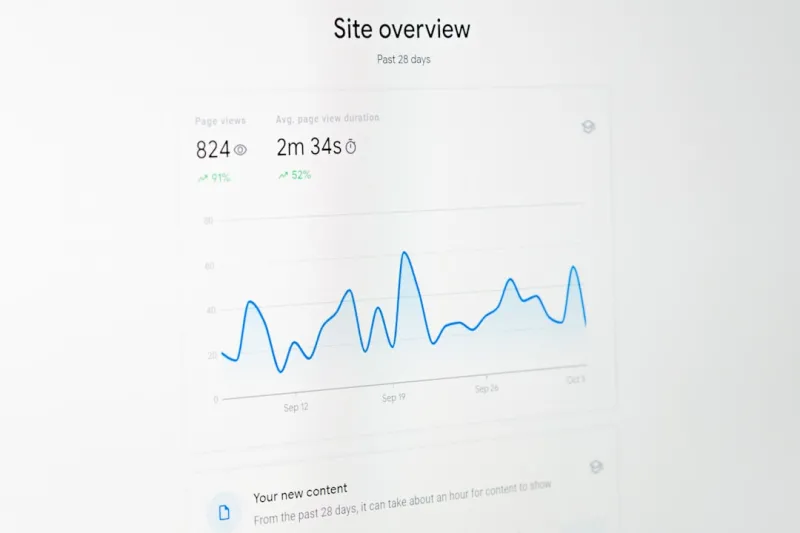
Finally, track the success of your employee advocacy with LinkedIn’s analytics dashboards, focusing on metrics such as “Profile Views,” “Search Appearances,” and “Engagement Rate” for each employee’s posts. Cross‑reference these numbers with website referral traffic to identify which advocates generate the highest quality leads, then iterate your program by rewarding top performers and refining keyword targets. By treating advocacy as a data‑driven SEO channel, you ensure continuous improvement and sustained visibility in the ever‑evolving LinkedIn ecosystem.

Related Posts

Unlocking the Power of LinkedIn SEO: Strategies to Boost Your Online Presence
Learn how to unlock the power of LinkedIn SEO and boost your online presence with expert strategies ... Read More

Transforming LinkedIn Into a Search Engine Goldmine
Discover a step‑by‑step approach to leverage LinkedIn’s algorithm, structured data, and engage... Read More

LinkedIn SEO: Turning Your Professional Profile into a B2B Magnet
A deep dive into LinkedIn SEO, showing how to structure profiles, publish content, and use algorithm... Read More
Top Posts

The Content Creator’s Playbook: How I Turn Ideas into Authority in 2024
Brad Hays shares his step‑by‑step playbook for creating, optimizing, and iterating content that captures attention, earns backlinks, and stands the test of ...Read More

Immersive AR: Redefining Content Strategy for Modern Audiences
Explore how augmented reality is transforming content creation, driving deeper engagement, and unlocking new SEO benefits. Practical tips guide marketers to int...Read More

Revolutionizing Social Media Advertising: Strategies to Boost Your Online Presence
Revolutionize your social media advertising approach with the latest strategies and best practices. Learn how to boost your online presence, drive website traff...Read More
The Human‑Centric Blueprint for Modern On‑Page SEO
Learn how to revamp your on‑page SEO with a human‑centric approach that prioritizes intent, structure, and performance for stronger rankings and happier vis...Read More
0 Comments
Post Comment
You will need to Login or Register to comment on this post!