
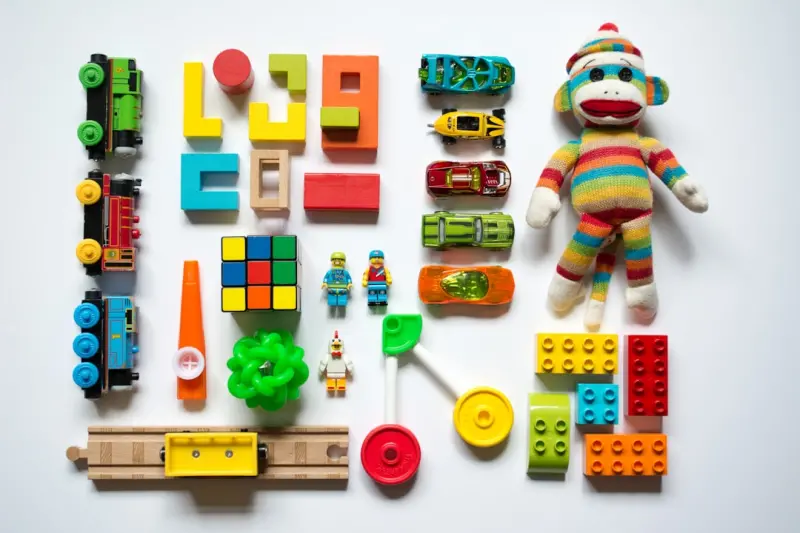
The Subscription Toy Box Boom: Curating Developmental Play Experiences
When I was a kid, the excitement of tearing open a new toy box was a ritual that marked the start of a weekend adventure. Today, that same thrill is being reimagined for modern families through subscription toy boxes—monthly parcels that promise fresh, age‑appropriate play without the endless hunt at the aisle. As a parent‑turned‑content strategist, I’ve watched this model evolve from niche hobbyist kits to mainstream household staples, and the shift is more than just a convenient delivery service. It’s a cultural pivot toward intentional, developmental play that aligns with today’s fast‑paced, values‑driven consumer mindset.
Why Parents Are Swapping Shelf‑Shopping for Curated Boxes
Traditional toy shopping often feels chaotic: bright aisles, endless options, and the pressure to pick the “right” gift that will both entertain and educate. Subscription services cut through the noise by delivering a hand‑picked collection tailored to a child’s age, interests, and developmental milestones. This curation does three things:
- Reduces decision fatigue for busy parents who juggle work, school runs, and bedtime stories.
- Ensures developmental relevance by matching toys to cognitive, motor, and social growth phases.
- Creates a sense of anticipation that fuels a child’s curiosity and encourages sustained engagement.
In my own household, the monthly unboxing has become a ritual that signals “learning time,” turning play into a structured, yet joyful, part of our routine.
Designing the Perfect Box: The Science Behind the Selections
Behind each subscription box is a team of child development specialists, educators, and designers who collaborate to build a progressive play journey. The process starts with a developmental framework—often based on established milestones like those from the American Academy of Pediatrics. From there, toys are vetted for:
- Open‑endedness: Items that can be used in multiple ways, encouraging creativity.
- Safety & sustainability: Non‑toxic materials, minimal packaging, and often a focus on recycled or responsibly sourced components.
- Skill scaffolding: Each month introduces a new challenge that builds on the previous one, whether it’s fine motor precision, spatial reasoning, or social negotiation.
The result is a seamless progression where a toddler might start with simple stacking rings, graduate to magnetic building sets, and eventually explore introductory robotics—all without the parent having to research each step.
From Play to Learning: Real‑World Benefits
Research consistently shows that purposeful play fuels neural pathways linked to problem‑solving, language acquisition, and emotional regulation. Subscription boxes, by design, embed these benefits into a convenient format. A few standout outcomes include:
- Improved executive function: Puzzle‑based toys require planning, persistence, and flexibility.
- Enhanced social skills: Many boxes include collaborative games that teach turn‑taking, empathy, and negotiation.
- Early STEM exposure: Hands‑on kits with gears, circuitry, or coding basics demystify science concepts before school even begins.
One parent I interviewed noted that her son, who once struggled with sharing, suddenly thrived during the cooperative challenges in his monthly box. The structured play environment gave him a safe space to practice these skills repeatedly.
Subscription Boxes as a Brand‑Building Engine
For toy manufacturers and retailers, the subscription model offers a powerful new avenue for brand loyalty. Instead of a one‑off purchase, companies engage customers month after month, gathering invaluable data about preferences, usage patterns, and emerging trends. This ongoing relationship enables brands to:
- Iterate quickly based on real‑world feedback, refining product lines faster than traditional retail cycles.
- Cross‑sell intelligently by recommending complementary products that align with a child’s evolving interests.
- Storytell consistently, weaving a narrative that turns each box into a chapter of a larger adventure.
If you’re curious about how storytelling can be amplified through content, check out our guide on Turning Every Page Element into an SEO Asset. The principles of cohesive narrative apply just as well to a physical product experience as they do to digital copy.
Balancing Technology and Tangibility
While many assume that subscription toys are all‑digital or heavily tech‑infused, the most successful boxes strike a balance. They often pair tactile, analog components with a subtle digital layer—like QR codes that unlock guided activity videos or printable worksheets. This hybrid approach respects the importance of hands‑on play while offering parents resources to extend learning at home.
Interestingly, this blend echoes the conversation in our earlier piece When Toys Get Smart: AI‑Powered Play for Curious Kids. The key difference? Subscription boxes use technology as a support rather than a replacement for physical interaction, ensuring that the core of play remains rooted in sensory exploration.
Environmental Impact: Reducing Waste One Box at a Time
One criticism of subscription services is the potential for excess packaging. Leading brands are responding with eco‑friendly strategies: recyclable boxes, biodegradable inserts, and a “return‑to‑recycle” program where families can send back used components for refurbishment or upcycling. Some companies even design toys that grow with the child, transforming from one form to another—think a wooden train that converts into a puzzle board.
These initiatives not only cut landfill contributions but also teach children early lessons about sustainability. When a child sees a toy being repurposed rather than discarded, it reinforces a mindset of stewardship that extends beyond the playroom.
Choosing the Right Subscription for Your Family
Not every box fits every child. Here are three quick criteria to evaluate a service before you commit:
- Age Alignment: Does the provider clearly map toys to developmental stages?
- Customization Options: Can you tailor themes (e.g., nature, space, art) to match your child’s interests?
- Transparency: Are materials, safety standards, and packaging practices openly disclosed?
Many brands now offer a “preview week” where you can test a sample kit before signing up for the full subscription. Taking advantage of these trial periods can save you from a mismatch and ensure the box truly enriches your child’s playtime.
The Future of Play: What’s Next for Subscription Toys?
Looking ahead, I see three emerging trends shaping the next wave of subscription toys:
- AI‑Curated Personalization: Leveraging machine learning to fine‑tune selections based on a child’s interaction data, creating a truly bespoke experience.
- Community‑Driven Content: Parents and kids co‑creating challenges, sharing solutions, and voting on future themes via brand‑hosted forums.
- Hybrid Physical‑Digital Ecosystems: Seamless integration of AR (augmented reality) overlays that enhance tactile toys with interactive storytelling.
These innovations promise to deepen the educational impact while keeping the unboxing excitement fresh. As the model matures, subscription boxes will likely become a cornerstone of early childhood development—an accessible, scalable, and joyful way to nurture the next generation of curious thinkers.
Final Thoughts: Embrace the Monthly Magic
In a world where children are bombarded with screens and fleeting trends, the deliberate rhythm of a subscription toy box offers a refreshing counterbalance. It gives parents a reliable roadmap for developmental play, reduces waste through thoughtful design, and transforms a simple toy purchase into an ongoing story of growth.
If you’re ready to swap the chaotic toy aisle for a curated experience that sparks imagination and builds skills month after month, give subscription boxes a try. You may find that the most valuable gift you can give your child isn’t a single toy, but a continuous journey of discovery—one neatly packed box at a time.

Related Posts
The 2024 Toy Renaissance: How Smart, Sustainable, and Community‑Driven Play Is Redefining the Market
Discover how smart tech, sustainability, and community co‑creation are reshaping toys in 2024, and... Read More
When Toys Get Smart: AI‑Powered Play for Curious Kids
Discover how AI-powered toys transform playtime into personalized learning experiences, balancing te... Read More
The Enduring Magic of Childhood: How Collectible Toys Bring Joy to Our Lives
Collectible toys evoke memories of our childhood and bring joy to our lives. Learn about the nostalg... Read More
Top Posts

Hyperlocal Voice Search & AI‑Powered FAQ: A New Playbook for Small Businesses
Discover how AI‑generated FAQs, micro‑geo content hubs, and video reviews can dominate the 5‑mile radius, driving voice‑search traffic and local authori...Read More
Turning Social Audio into a Brand Growth Engine
Explore the untapped potential of social audio, from niche rooms and guest experts to cross‑channel integration and data‑driven impact, and learn how to tur...Read More

The Audio‑First Revolution: How SaaS Brands Can Win with Sound‑Centric Content
An in‑depth guide on shifting SaaS content creation to an audio‑first mindset, covering workflow, SEO benefits, voice‑assistant integration, and a 30‑da...Read More
Unlocking WordPress Block Patterns for a Smarter SEO Strategy
Discover how to use WordPress’s block editor, reusable schema blocks, and strategic CPTs to create an SEO‑friendly architecture that boosts rankings, perfor...Read More
0 Comments
Post Comment
You will need to Login or Register to comment on this post!