
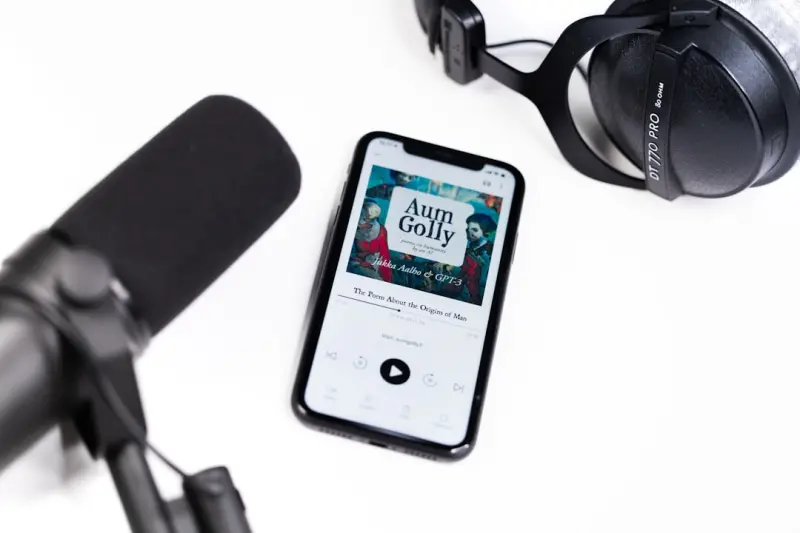
Why Audio‑First Content Is the Quiet Revolution SaaS Marketers Can’t Afford to Miss
When I first heard the term “audio‑first,” I imagined a world where podcasts replace whitepapers and every product demo is delivered through a headset. It felt like a futuristic gimmick, a niche experiment for tech‑savvy early adopters. Fast forward a few months, and the data is shouting louder than any megaphone: listeners are growing, attention spans are fragmenting, and the very act of listening is becoming a primary research method for decision‑makers.
In the SaaS arena, where we’re constantly battling information overload, the shift to audio isn’t just a trend—it’s a strategic lever that can reshape how we acquire, nurture, and retain customers. Below, I unpack the forces driving this movement, the concrete tactics that work today, and the pitfalls to avoid if you’re serious about turning sound into growth.
The Business Imperative Behind the Soundscape
Three macro forces are converging:
- Mobile‑first consumption: More than 70% of global internet traffic now comes from mobile devices. On‑the‑go professionals are more likely to listen than read while commuting, exercising, or handling routine tasks.
- Search evolution: Voice assistants and smart speakers have re‑defined the query experience. Users speak in natural language, seeking concise, actionable answers—exactly the type of content that can be delivered in a 60‑second audio snippet.
- Human cognition: Studies show that listeners retain 30‑40% more information when it’s paired with tone, cadence, and emotion. In a market where product differentiation is subtle, that emotional bandwidth is pure gold.
These forces make audio a high‑ROI channel for SaaS firms looking to cut through the noise (pun intended). But you can’t just throw a microphone at a problem and expect miracles. Success demands a disciplined framework, much like the one we use for AI‑Human Hybrid content creation.
Audio‑First Isn’t Just Podcasts: The Full Spectrum
When people think “audio‑first,” podcasts are the first thing that pop into mind. While podcasts remain powerful, the audio ecosystem now includes:
- Short‑form voice snippets: 30‑ to 90‑second clips optimized for platforms like LinkedIn Audio Events, Twitter Spaces, and Instagram Reels.
- Interactive voice bots: Conversational agents that guide prospects through product tours using natural language.
- Audio newsletters: Subscriptions that deliver weekly insights, industry trends, and product updates straight to a listener’s ear.
- Embedded audio in blog posts: A quick “listen‑instead” toggle that respects the reader’s time while preserving SEO value.
The key is to treat audio as a content format, not a silo. Every piece of audio you produce should have a textual counterpart, a visual thumbnail, and a distribution plan that aligns with the buyer’s journey.
Mapping Audio to the Buyer’s Journey
Here’s a practical map that shows where audio shines at each stage:
- Awareness: A 60‑second “problem‑statement” clip that articulates a pain point in vivid, story‑driven language. Think of it as a radio ad for the modern professional—short, compelling, and shareable.
- Consideration: A mini‑interview with a product engineer or a customer success manager, breaking down core features in a conversational tone. This builds trust because listeners hear authentic voices, not scripted copy.
- Decision: A “case‑study in a minute” where a client shares measurable outcomes, accompanied by a CTA that directs the listener to a detailed landing page.
- Retention: Ongoing “product tip of the week” audio newsletters that keep users engaged and reduce churn.
Each of these touchpoints can be repurposed across channels—embed the awareness snippet in a LinkedIn post, host the consideration interview as a live Q&A on Twitter Spaces, and bundle decision‑stage clips into a downloadable audio guide for sales teams.
Technical Foundations: Making Audio SEO‑Friendly
Just because something is audio doesn’t mean it’s invisible to search engines. To ensure your audio assets are discoverable:
- Transcribe everything: Provide a full, accurate transcript. Not only does this improve accessibility, it gives Google the textual data it needs to index your content.
- Schema markup: Use the
PodcastEpisodeorAudioObjectschema to signal the media type to crawlers. - Optimized file naming: Include target keywords in the audio file name (e.g.,
customer-success-audio-snippet.mp3). - Metadata magic: Fill out title, description, and speaker fields with relevant terms and brand mentions.
These steps echo the principles we discussed in Future‑Proof WordPress SEO, where structured data and technical hygiene are the backbone of sustained visibility.
Production Workflow: From Idea to Publish in 48 Hours
Speed is essential. Here’s a lean workflow that gets a high‑quality audio piece live in two days:
- Ideation sprint (2 hours): Align on the objective, target persona, and key message. Use a shared Google Doc to capture bullet points.
- Scripting (4 hours): Write a concise script (max 250 words). Keep sentences short, include a hook in the first 10 seconds, and embed a clear CTA.
- Recording (1 hour): Use a decent USB microphone (e.g., Blue Yeti) in a quiet space. Record in a single take to preserve natural cadence.
- Editing (4 hours): Trim pauses, add a subtle intro/outro jingle, and normalize volume levels. Tools like Audacity or Descript make this painless.
- Transcription & SEO (6 hours): Run the audio through an AI transcription service, then edit for accuracy. Insert the transcript into a blog post, add schema, and embed the audio player.
- Distribution (4 hours): Schedule the blog post, push the audio snippet to social platforms, and add it to your email newsletter.
In total, you have a reproducible 48‑hour pipeline that ensures your audio library grows alongside your product roadmap.
Measuring Success: Metrics That Matter
Audio introduces new KPIs, but they should still map back to core SaaS metrics:
- Play‑through rate: Percentage of listeners who hear the entire clip. A low rate signals weak hook or overly long content.
- Engagement depth: Time spent on the accompanying landing page after listening. Correlates with intent.
- Lead conversion: Number of form submissions or demo requests that originated from an audio CTA.
- Retention lift: Compare churn rates between users who receive weekly audio newsletters and those who don’t.
Combine these with traditional metrics like MQLs and CAC to get a holistic view of audio’s impact.
Common Pitfalls and How to Dodge Them
Even with a solid plan, teams stumble. Here are the top three traps and quick fixes:
- Over‑producing: Throwing a full‑blown studio production at every topic burns resources and dilutes authenticity. Solution: Reserve high‑polish productions for flagship thought‑leadership pieces; keep day‑to‑day content simple and conversational.
- Neglecting accessibility: Audio‑only content alienates deaf users and those in noisy environments. Solution: Always pair audio with a well‑crafted transcript and visual summary.
- Missing the CTA: Listeners often forget the next step after a compelling story. Solution: Insert a clear, spoken CTA within the first 20 seconds and repeat it at the end.
Case Study: Turning Voice‑Driven Insights into Product Roadmap Wins
One of our SaaS clients launched a weekly “Customer Voice” audio series where they invited power users to discuss challenges and feature requests. Within three months, the team identified a recurring request for a specific API endpoint. By prioritizing that feature, they reduced churn by 12% and accelerated upsell velocity.
This example illustrates the dual benefit of audio: it deepens relationships while feeding the product development engine. If you haven’t yet linked your audio content to the product roadmap, you’re missing a goldmine of real‑time market intelligence.
Integrating Audio with Existing Content Strategies
Audio should never exist in a vacuum. Here’s how to weave it into the broader content tapestry:
- Repurpose podcasts into blog posts: Transcribe episodes, extract quotes, and craft SEO‑optimized articles.
- Use audio snippets in webinars: Insert short, pre‑recorded insights as “breakout moments” to keep energy high.
- Layer audio on top of existing visual assets: Add voice‑over commentary to product demos, turning a static video into an engaging narrative.
- Sync audio releases with email campaigns: Align the launch of a new audio newsletter with a product announcement for maximum impact.
When you treat audio as a connective tissue, it amplifies the value of every other content piece you produce.
Future Outlook: From Audio‑First to Audio‑Centric Ecosystems
Looking ahead, I see three emerging trends that will push audio from a supplementary channel to a core component of SaaS experiences:
- Voice‑enabled onboarding: New users will interact with product tutorials via smart speakers, allowing hands‑free learning.
- Hyper‑personalized audio feeds: AI will stitch together relevant snippets based on a user’s behavior, creating a dynamic “audio dashboard.”
- Monetized audio communities: Subscription‑based audio clubs where customers discuss industry challenges, moderated by product experts.
Preparing for these shifts now positions your brand as a pioneer rather than a follower. Start building the infrastructure, experiment with formats, and measure relentlessly—you’ll find that the quiet revolution is louder than you imagined.
Action Plan: Your First 30‑Day Audio Sprint
To get you moving, here’s a bite‑sized roadmap:
- Week 1: Identify three high‑impact topics aligned with the awareness and consideration stages. Draft scripts and recruit internal speakers.
- Week 2: Record and edit the first two audio pieces. Publish them as blog posts with full transcripts and schema markup.
- Week 3: Promote the audio via LinkedIn, Twitter Spaces, and your existing email list. Track play‑through and CTA conversion rates.
- Week 4: Review metrics, iterate on the format, and schedule the next batch of audio content.
If you follow this plan, you’ll have a nascent audio library, measurable results, and a clear direction for scaling up.
Audio is no longer a nice‑to‑have experiment; it’s a strategic imperative for SaaS marketers who want to stay ahead of the attention economy. Embrace the sound, fine‑tune your processes, and watch as your brand’s voice becomes a growth engine.

Related Posts

Beyond the Buzz: How Voice and AI Are Rewriting B2B Content Playbooks
A deep dive into the latest content trends—voice‑first experiences, AI‑generated micro‑conte... Read More

The Rise of Generative Visual Content in B2B SaaS Marketing
Generative AI is turning visual content creation into a scalable, personalized engine for B2B SaaS. ... Read More

Content-as-a-Service: The Next B2B Marketing Evolution
Content-as-a-Service (CaaS) reshapes B2B SaaS marketing by turning content into modular, API‑drive... Read More
Top Posts

Local SEO Trends 2024: Rose DesRochers’ Neighborhood Playbook
Rose DesRochers shares her 2024 local SEO playbook, blending GBP mastery, hyper‑local content, citations, reviews, and social tactics to boost neighborhood se...Read More
Supercharge Your WordPress Site with Core Web Vitals and SEO Best Practices
Learn a step‑by‑step WordPress SEO blueprint that blends Core Web Vitals, smart block editor usage, custom taxonomies, and focused schema to drive higher ra...Read More

The Untapped Power of Content Micro‑Loops: Turning Tiny Pieces into Massive Impact
Learn the secret behind content micro‑loops—tiny, reusable pieces that feed each other, amplify reach, and keep audiences hooked, all while simplifying prod...Read More

Prompt Engineering: The Engine Behind Scalable Content Ideation
Learn how disciplined prompt engineering can turn AI into a scalable ideation engine, delivering high‑quality, SEO‑friendly content ideas that align with br...Read More
0 Comments
Post Comment
You will need to Login or Register to comment on this post!