

Rediscovering Play Through an Eco‑Friendly Lens
When I was a kid, the most treasured gifts were the simple wooden blocks that survived countless backyard adventures. Today, that nostalgia fuels my passion for sustainable toys, because I see a chance to blend that timeless joy with a responsibility to our planet. In this post I’ll walk you through why choosing eco‑friendly playthings matters, how to spot true green credentials, and the ripple effects on children’s imagination and conscience.
Why Sustainable Toys Are No Longer a Niche
The global toy industry ships billions of plastic pieces each year, many of which linger in landfills long after a child outgrows them. Reducing that waste isn’t just a buzzword; it directly lowers carbon footprints and protects marine ecosystems that future generations will inherit. Parents are increasingly aware that the toys they bring home can either contribute to climate strain or become part of the solution, and that awareness is reshaping purchasing habits across the board.
Materials That Matter: From Forest to Factory
True sustainability starts with the raw materials—think responsibly sourced bamboo, FSC‑certified wood, and organic cotton that’s grown without harmful pesticides. These alternatives not only feel more natural in a child’s hands but also decompose gracefully when their life cycle ends. Even recycled plastics, when processed responsibly, can be transformed into vibrant puzzle pieces that retain durability without the environmental guilt of virgin resin.
Designing Toys for Longevity and Adaptability
Modern eco‑friendly designers prioritize modularity, allowing pieces to grow with a child’s skill set and be re‑combined in endless configurations. That built‑in flexibility reduces the urge to discard as children outgrow a single function, extending the toy’s relevance for years. Moreover, many sustainable brands offer repair kits or replaceable parts, turning a broken component into a quick fix rather than a landfill ticket.
The Developmental Edge of Conscious Play
When children interact with toys that are intentionally crafted, they absorb subtle lessons about stewardship and resourcefulness. Studies show that play with natural textures and open‑ended designs nurtures problem‑solving, empathy, and a deeper connection to the physical world. By embedding these values early, sustainable toys become a quiet teacher, guiding kids toward mindful consumption habits that will stay with them into adulthood.
Smart Shopping: Decoding Labels and Finding the Right Brands
Not every “green” label is created equal, so look for certifications like GOTS for textiles, or the Forest Stewardship Council logo for wood products. Retailers that are transparent about sourcing often provide detailed stories on their websites, making it easier to trust their claims. For a deeper dive into how brands can turn playful concepts into profit, check out the insights in Gamified Social Media Ads, which explores the crossover between engaging design and responsible marketing.
DIY Upcycling: Turning Everyday Items Into Sustainable Toys
Before you rush to the store, explore the treasure trove of household objects that can be reborn as toys—cardboard forts, fabric scraps for soft dolls, or reclaimed wood for mini‑toolkits. This hands‑on approach not only cuts waste but also deepens the bond between parent and child through co‑creation. If you’re curious about boosting the visibility of your handmade creations online, the strategies outlined in Unlocking Hidden SEO Wins can help your eco‑projects reach a wider, like‑minded audience.
Looking Ahead: Circular Play and Tech‑Infused Sustainability
The next wave of green toys will likely merge circular economy principles with smart technology—think biodegradable smart blocks that can be scanned for new challenges after a recycle‑and‑reprint cycle. Brands are experimenting with plant‑based polymers that carry sensors, allowing toys to evolve as kids grow while remaining compostable at the end of life. This fusion promises a future where high‑tech excitement doesn’t come at the planet’s expense.
Making the Switch Today
Choosing sustainable toys is a simple yet powerful act that aligns fun with future‑proofing our environment. By supporting brands that prioritize ethical sourcing, durability, and transparent storytelling, we empower the next generation to play responsibly. So the next time you’re eyeing a new playset, ask yourself: does it spark imagination, stand the test of time, and honor the earth? If the answer is yes, you’ve found a true champion of conscious play.

Related Posts
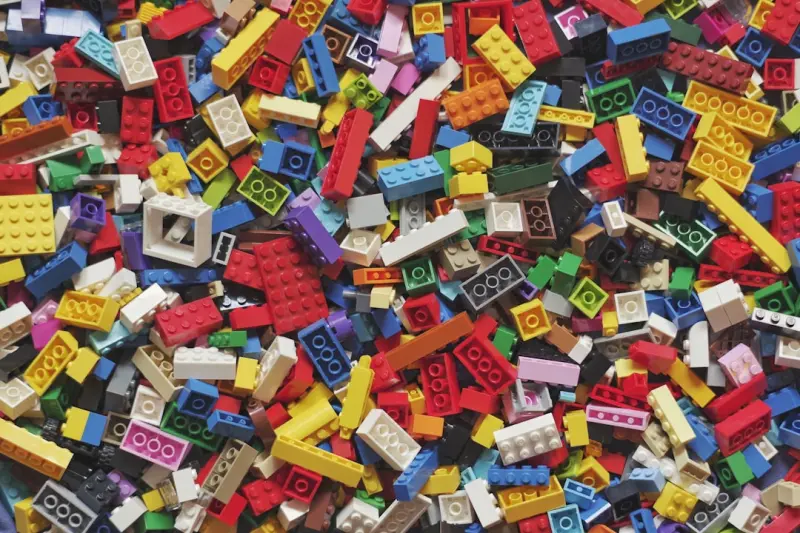
Why Subscription Toy Boxes Are the Secret Sauce for Modern Parenting
Subscription toy boxes are reshaping playtime by delivering data‑driven, age‑appropriate toys th... Read More
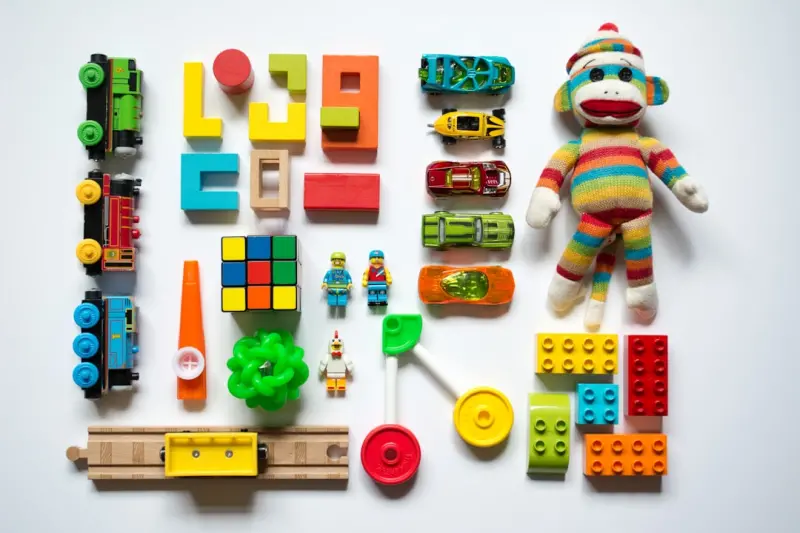
The Rise of Sustainable Play: How Eco‑Friendly Toys Are Shaping Tomorrow’s Kids
Explore the booming world of sustainable toys, from biodegradable materials to modular designs, and ... Read More
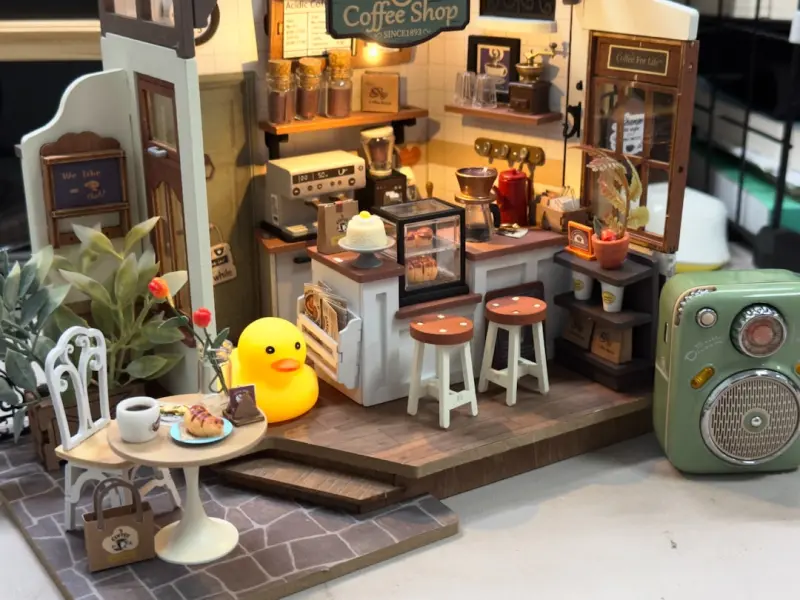
Miniature Craft Toy Kits: Tiny Joys for Big Stress Relief
Discover the calming power of miniature craft toy kits. From sensory benefits to intergenerational b... Read More
Top Posts

Google Passage Ranking: SaaS Micro‑Content Playbook
Discover how to turn SaaS feature pages, docs, and FAQs into passage‑optimized micro‑content that captures niche queries, earns featured snippets, and drive...Read More

SEO as a Continuous Experimentation Engine: Turning Search Into a Growth Lab
Discover a fresh framework that turns SEO into a continuous experimentation engine, aligning search tactics with product development, technical optimization, an...Read More

Decoding the Crawl: How SaaS Apps Can Master Search Engine Indexing
A deep dive into technical SEO for SaaS: solve crawl budget issues, choose the right rendering strategy, leverage advanced structured data, and use edge caching...Read More
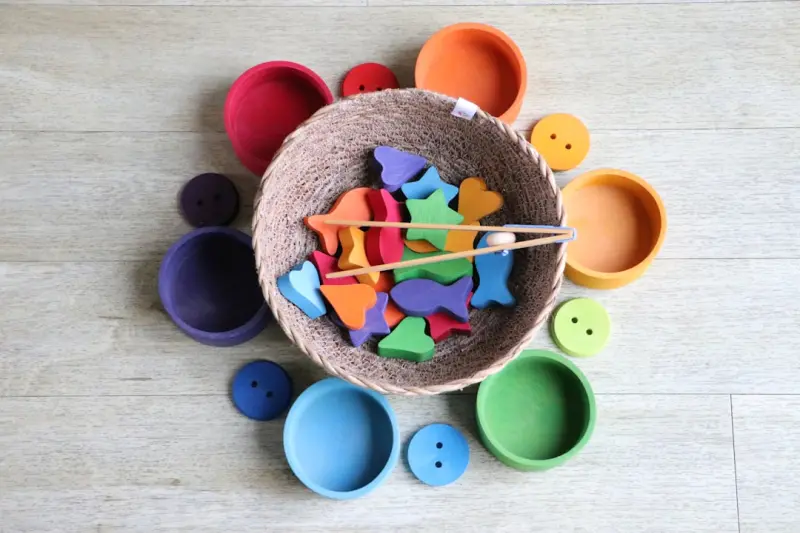
Eco‑Friendly Toys: Redefining Play for a Greener Future
Explore the rise of sustainable toys—how reclaimed materials, modular design, and conscious branding are turning playtime into a planet‑saving adventure. Ge...Read More
0 Comments
Post Comment
You will need to Login or Register to comment on this post!