
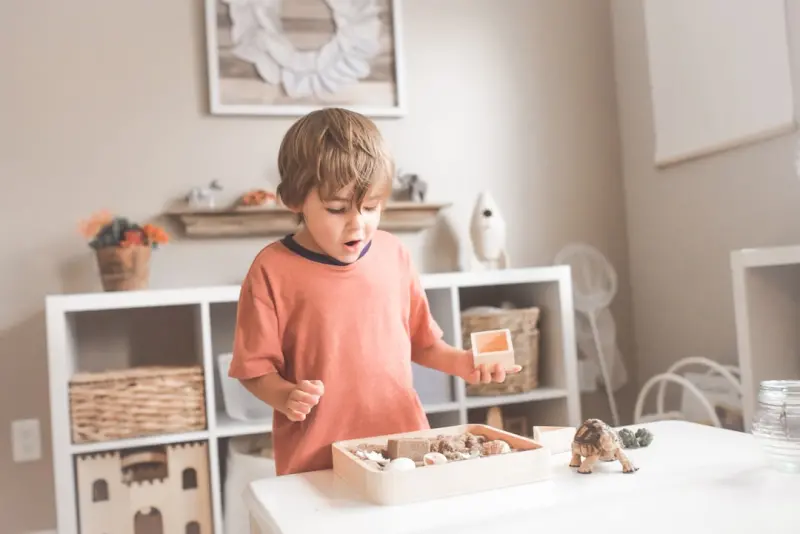
When I was a kid, my favorite toys weren’t the shiny plastic gadgets that dominated the store shelves—they were the ones that left a faint scent of pine, cotton, or even the earthy aroma of reclaimed wood. Today, that nostalgic pull is resurging, but with a modern twist: sustainability is no longer a niche concern, it’s the driving force behind the next wave of toys. In this post, I’ll unpack why eco‑friendly play is more than a buzzword, how it’s reshaping design and manufacturing, and what parents, retailers, and creators can do to ride the green tide.
Why Sustainable Toys Matter Now More Than Ever
There are three intertwined reasons why the industry is pivoting toward greener playthings:
- Consumer conscience: Millennials and Gen Z parents are the most powerful buying cohort. Surveys show that over 70 % of them consider a brand’s environmental footprint before making a purchase.
- Regulatory pressure: Governments worldwide are tightening standards on plastic waste and chemical safety. The EU’s Single‑Use Plastics Directive and similar policies in the U.S. are forcing manufacturers to rethink materials.
- Long‑term brand equity: Companies that embed sustainability into their DNA are building loyalty that outlasts fleeting trends. Think of Patagonia in apparel; the same principle applies to toys.
All three forces converge to make eco‑friendly toys not just a nice‑to‑have, but a must‑have for anyone serious about staying relevant in a crowded market.
The Materials Revolution: From Plastic to Planet‑Positive
Traditional toys have relied heavily on petroleum‑based plastics, which are cheap, durable, and easy to mold. The downside? They’re notorious for ending up in landfills or the ocean. Today’s innovators are swapping those petro‑based polymers for materials that either biodegrade or are sourced responsibly.
- Plant‑based bioplastics: Derived from corn starch, sugarcane, or algae, these plastics can decompose under industrial composting conditions within 90‑180 days.
- Recycled ocean plastics: Companies are partnering with NGOs to harvest waste from marine environments, turning it into safe, sturdy toy components.
- Sustainably harvested wood: Certified by FSC (Forest Stewardship Council), wood toys now come with a transparent chain‑of‑custody, assuring parents that no illegal logging is involved.
- Natural fibers: Hemp, organic cotton, and bamboo are being woven into plush toys, offering softness without synthetic dyes.
These materials not only reduce carbon footprints but also open up new aesthetic possibilities—think pastel‑tinted wood or plush toys that feel like a garden breeze.
Designing for Durability and Circularity
Sustainability isn’t just about the raw material; it’s about the entire lifecycle of the product. Designers are now embracing a circular design mindset that includes:
- Modular construction: Pieces can be swapped, repaired, or upgraded, extending the toy’s usable life.
- Take‑back programs: Brands offer free return shipping for end‑of‑life toys, which are then disassembled for recycling or upcycling.
- Minimalist packaging: Reducing plastic wraps and opting for recycled cardboard or compostable films.
- End‑of‑life transparency: QR codes on the packaging that link to instructions on how to recycle each component.
These practices align with the broader Zero Waste movement and give parents a clear path to responsible disposal—a win‑win for the environment and brand trust.
Case Study: A Toy Company That Went Green
One mid‑size toy manufacturer, EcoPlay, decided in 2021 to overhaul its entire portfolio. The company phased out virgin plastics and introduced a line of wooden building blocks made from reclaimed lumber. They also launched a Analog Play Returns campaign, positioning the tactile experience as a counterbalance to screen time. Within two years, EcoPlay reported a 35 % increase in repeat purchases and secured contracts with several major retailers who were expanding their sustainable product sections.
The key takeaway? Sustainable toys can be commercially viable while championing a cause. EcoPlay’s success was not a fluke; it was the result of intentional material sourcing, transparent storytelling, and an infrastructure that supported product returns for recycling.
Eco‑Play Meets Technology: A Balanced Future
While I’m steering clear of the AI‑enhanced craze that dominates headlines, it’s worth noting that technology can complement sustainability. Smart toys equipped with low‑energy Bluetooth modules can be powered by solar panels integrated into the toy’s surface. Moreover, firmware updates can extend the functional lifespan of a device, reducing the need for physical replacements.
For a deeper dive into how technology is reshaping play, check out our piece on AI‑Enhanced Toys. The article illustrates that tech and eco‑friendly design are not mutually exclusive; they can coexist in a harmonious, purpose‑driven product.
Marketing Sustainable Toys: Storytelling That Resonates
Parents buying toys today are looking for more than just fun—they want assurance that the purchase aligns with their values. Here’s how to craft narratives that hit home:
- Show the journey: From forest to playroom—use visuals that trace the material’s origin.
- Quantify impact: Share stats like “saving 200 kg of CO₂ per 1,000 toys sold.” Numbers make the abstract tangible.
- Leverage user‑generated content: Encourage kids and parents to post unboxing videos that highlight the tactile feel and eco‑friendly packaging.
- Partner with eco‑influencers: Collaborations with sustainability advocates can amplify reach and add credibility.
Remember, authenticity is non‑negotiable. Greenwashing—making false or exaggerated environmental claims—can backfire dramatically, especially in the age of rapid fact‑checking.
Retail Strategies: Shelving the Sustainable
Brick‑and‑mortar retailers are rethinking shelf space to showcase green products. Some tactics include:
- Dedicated “Eco” aisles: Curated sections that make it easy for shoppers to find sustainable options.
- In‑store signage: QR codes that let customers scan to learn about the toy’s carbon footprint.
- Interactive demos: Hands‑on stations where kids can feel the difference between plastic and wooden textures.
- Seasonal promotions: “Earth Day” bundles that combine toys with planting kits or recyclable gift wrap.
These approaches not only boost sales of eco‑friendly lines but also reinforce the retailer’s commitment to responsible commerce.
Challenges and How to Overcome Them
Transitioning to sustainable toys isn’t without hurdles. Here are the most common obstacles and actionable solutions:
- Higher upfront costs: Sustainable materials can be pricier. Mitigate this by forecasting long‑term savings from reduced waste disposal fees and higher price points justified by premium positioning.
- Supply chain complexity: Sourcing certified wood or recycled plastics requires vetting new partners. Build relationships with NGOs and certification bodies to streamline verification.
- Consumer skepticism: Some shoppers doubt the durability of “green” toys. Offer extended warranties and clear durability testing data to build confidence.
- Regulatory compliance: Stay ahead of evolving standards by subscribing to industry newsletters and participating in sustainability forums.
Future Outlook: The Next Decade of Eco‑Play
Looking ahead, I see three trends shaping the sustainable toy landscape:
- Closed‑loop manufacturing: Factories that recycle scrap in‑process, turning waste back into raw material for new toys.
- Biophilic design: Toys that incorporate natural elements—like plant‑based dyes or seed‑embedded packaging that can be planted after use.
- Community‑driven product development: Crowdsourced ideas from parents and kids, ensuring that new toys meet real play needs while staying green.
When brands align these innovations with authentic storytelling, they’ll not only capture market share but also contribute to a healthier planet for the next generation of play.
Whether you’re a designer, a marketer, a retailer, or a parent scouting the next best thing for your child, the sustainable toy movement offers a compelling blend of purpose and profit. Embrace the shift, tell the story well, and watch as the toys of tomorrow become the cherished memories of today.

Related Posts

Why Sustainable Toys Are the Future of Play
Sustainable toys aren’t just a trend—they’re a movement. From reclaimed wood blocks to biodegr... Read More
Why Intelligent Play Is Redefining the Toy Industry
A deep dive into the rise of intelligent play, highlighting how technology, inclusivity, and sustain... Read More
When Green Meets Play: The Sustainable Toy Revolution
A deep dive into the rise of sustainable toys, covering biodegradable materials, circular design pri... Read More
Top Posts

Crawl Budget Mastery: Scaling Technical SEO for Enterprise SaaS Platforms
A deep dive into crawl budget for large SaaS platforms, covering audits, URL parameter handling, server performance, internal linking, and actionable steps to b...Read More
Mobile SEO Mastery in 2024: Jimmy Anand’s Playbook for Mobile-First Success
Jimmy Anand shares his insider strategies for conquering Mobile SEO in 2024, covering performance, UX, and emerging trends to dominate mobile search results....Read More

Unlocking LinkedIn’s Recommendation Engine for SEO Dominance
Learn to turn LinkedIn’s internal recommendation system into a powerful SEO tool, using keyword‑aligned content, employee advocacy, and cross‑posting for ...Read More

Adaptive Content Strategies: How to Pivot Your Message in Real Time
Learn why static calendars are outdated and how adaptive content frameworks, micro‑moments, and AI‑enhanced workflows let you pivot instantly, ensuring rele...Read More
0 Comments
Post Comment
You will need to Login or Register to comment on this post!