

Why Customer Co‑Creation Is the Missing Link in Modern B2B Content Marketing
When I first started crafting content strategies for tech companies, I treated my audience as a one‑way street: we broadcast insights, they consumed them, and the cycle repeated. Over time, I realized that the most resonant pieces weren’t the ones we wrote in isolation—they were the ones built with the very people we aimed to serve. Today, the most powerful lever in B2B content marketing isn’t just what we say, but who gets to say it alongside us.
The Evolution From Thought Leadership to Thought Partnership
Traditional thought leadership has long been about positioning a brand as the expert. That model still holds value, but it’s increasingly fragile in a world where buyers demand proof, authenticity, and community. Enter thought partnership: a collaborative approach where customers, partners, and even competitors contribute to the narrative, turning a single brand voice into a chorus of real‑world experiences.
Think of it as moving from a solo piano performance to a full‑blown jam session. Each participant brings a unique riff, and the result is richer, more dynamic, and—crucially—more trustworthy.
Three Core Benefits of Co‑Creating Content with Customers
- Credibility Amplified: When a buyer reads a case study co‑written by a peer, the perceived bias drops dramatically.
- SEO Goldmine: User‑generated insights naturally embed long‑tail keywords and semantic variations that search engines love.
- Community Magnetism: Participants feel a sense of ownership, turning them into brand ambassadors who share the content organically.
Identifying the Right Partners
The first step is to pinpoint customers who already demonstrate thought leadership in your niche. Look for:
- Active LinkedIn or industry forum contributors.
- Speakers at webinars, panels, or podcasts.
- Authors of whitepapers, e‑books, or research reports.
Don’t mistake activity for expertise—use data signals (engagement rates, content shares, referral traffic) to confirm that their voice resonates with your target market.
Designing a Co‑Creation Framework
A successful partnership hinges on clear expectations, streamlined processes, and mutual value. Below is a repeatable framework I use with my clients:
- Discovery Sprint: Conduct a brief interview to surface the partner’s unique insights and align on objectives.
- Content Blueprint: Co‑draft an outline that maps each contributor’s expertise to specific sections.
- Draft & Review Loop: Use collaborative tools (Google Docs, Notion, or specialized platforms) to iterate quickly.
- Amplification Plan: Agree on cross‑promotion tactics—social posts, email newsletters, and even joint webinars.
- Performance Review: Track metrics (traffic, backlinks, lead quality) and share results with partners to reinforce the win‑win.
From Interview to Insight: Turning Conversations Into Content Assets
One of the most underutilized formats is the in‑depth interview. Instead of the typical Q&A, structure the conversation around a storytelling journey that highlights challenges, breakthroughs, and actionable takeaways. This approach yields:
- A narrative arc that hooks readers from the first sentence.
- Natural opportunities to embed quotes that boost authenticity.
- Reusable snippets for social media, slide decks, and micro‑content.
After the interview, transcribe, annotate key themes, and repurpose the raw material into multiple formats: a long‑form blog post, a downloadable guide, a series of LinkedIn carousel posts, and even an audio excerpt for your podcast channel.
Leveraging Existing Channels: The Podcast Example
If you already host a podcast, invite your co‑creation partners as guests. Not only does this provide fresh audio content, but it also creates a backlink pipeline when the guest shares the episode on their site. In fact, a well‑executed guest spot can become a high‑quality backlink engine, driving authority signals back to your domain.
When preparing for the episode, ask the guest to share a unique data point or case study that isn’t publicly available. This exclusive angle makes the episode a must‑listen and gives the guest a tangible reason to promote it.
Experimenting with Emerging Formats
While written pieces remain foundational, the content landscape now rewards interactive and immersive experiences. Think beyond static PDFs and explore formats such as:
- Live‑streamed panel discussions with audience Q&A.
- Interactive decision‑tree calculators co‑built with a customer’s product team.
- AR‑enhanced product tours that blend customer testimonials with visual storytelling.
These emerging content formats not only differentiate your brand but also provide fresh data points for future content cycles.
Measuring Success: Metrics That Matter
Traditional vanity metrics (page views, likes) are insufficient for partnership‑driven content. Instead, focus on:
- Referral Leads: Leads that cite the partner’s name or organization in their inbound form.
- Authority Signals: Number and quality of backlinks generated from partner promotion.
- Engagement Depth: Time on page, scroll depth, and content‑completion rates for long‑form assets.
- Partner Satisfaction Score: A simple NPS‑style question after each collaboration to gauge future willingness.
Regularly share these metrics with your partners. Transparency builds trust and fuels the cycle of co‑creation.
Scaling the Model: From One‑Offs to a Partner Network
Once you have a handful of successful collaborations, formalize the process into a Customer Content Advisory Board (CCAB). This board can:
- Provide quarterly insights on industry trends.
- Serve as a beta audience for new product features.
- Co‑author flagship assets like industry reports or research studies.
By institutionalizing the partnership, you turn sporadic projects into a sustainable content engine that fuels your funnel year after year.
Addressing Common Concerns
“Will sharing customer stories reveal trade secrets?” – Always draft a confidentiality agreement that outlines what can be disclosed. Focus on outcomes and processes rather than proprietary tactics.
“What if the partner’s writing style clashes with our brand voice?” – Provide a style guide, but treat the partner’s voice as a complementary layer. The goal is authenticity, not uniformity.
“Is this approach resource‑intensive?” – Initially it does require coordination, but the reusable assets and SEO lift quickly offset the upfront investment.
Final Thoughts: From Content Producer to Community Curator
In the age of information overload, audiences gravitate toward voices they trust. By inviting customers into the creation process, you transform your brand from a solitary content producer into a curator of community knowledge. The payoff is multifold: richer storytelling, amplified reach, and a pipeline of qualified leads that come pre‑qualified by the very people who helped craft the message.
If you’ve been relying solely on internal expertise, it’s time to open the door. Reach out to a satisfied client, propose a collaborative piece, and watch how that partnership ripples across your marketing ecosystem.

Related Posts

Orchestrating Content for SaaS Growth: From Intent Layers to Employee Advocacy
Discover a fresh approach to SaaS content marketing that moves beyond checklists, focusing on intent... Read More

The Convergence of SEO and Content Marketing: A New Era for Online Success
The lines between SEO and content marketing are blurring. Learn how to leverage this convergence to ... Read More

Why Empathy‑First Content Marketing Wins in a Noisy Digital World
Learn why an empathy‑first approach transforms content marketing, driving deeper connections, high... Read More
Top Posts
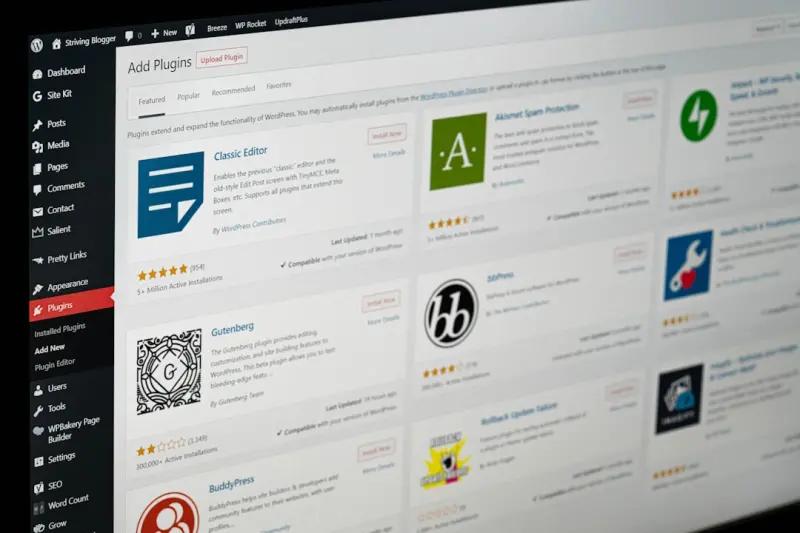
AI‑Driven Content Blocks and Headless WordPress: A Fresh SEO Playbook
Learn a modern, modular approach to WordPress SEO that leverages AI‑generated content blocks, headless deployment, and advanced schema to boost rankings, impr...Read More

Decoding Google’s Passage Indexing: Turning Sub‑Sections into SERP Gold
Google’s passage indexing now ranks individual content blocks as standalone results. Master the technique with expert insights, practical audits, and strategi...Read More

Turn Your Team into Social Media Superstars: An Employee Advocacy Playbook
Learn a fresh, people‑first approach to social media: a practical guide that transforms your team into powerful brand advocates, amplifying reach and credibil...Read More

Link Building as Relationship Engineering: A SaaS Marketer’s Guide
Explore a fresh, relationship‑focused approach to link building that prioritizes relevance, value‑first outreach, and ongoing partnership nurturing, deliver...Read More
0 Comments
Post Comment
You will need to Login or Register to comment on this post!